Overview of concrete admixtures
Concrete admixtures, also known as concrete additives, is a chemical substance that is added in the process of mixing concrete, accounting for less than 5% of the cement mass, and can significantly improve the performance of concrete. The characteristics of concrete admixtures are many varieties and small dosage, which have a great influence on the performance of concrete, and have the characteristics of less investment, quick effect, and significant technical and economic benefits. With the continuous advancement of science and technology, concrete additives have been used more and more, and admixtures have become the fifth important component of concrete in addition to the four basic components.
Advantages of Lightweight Concrete Admixtures
Nano-modification Technology: Utilizing nanomaterials to enhance product performance, significantly improving foam stability, reducing water absorption, and increasing strength and durability.
Complete Process Solution: Covering multiple application scenarios including lightweight partition boards, self-insulating blocks, gypsum products, and road repair.
Environmentally Friendly and Energy-Saving: Products meet green building standards, helping to reduce carbon emissions and improve building energy efficiency.
Customized Services: Providing formula optimization and technical guidance based on customer needs to achieve cost-effective construction solutions.
Concrete Admixture Supporting Equipment and System Solutions
Foam Generator Series (TR11/TR30/TR75): High-pressure foaming, fine foam, saves foaming agent, suitable for laboratory to large-scale production.
Aerogel Insulation Coating: High-efficiency thermal insulation, fire-retardant Class A, suitable for building interior and exterior walls, and industrial equipment insulation.
Cement Sealer and Curing Agent: Lithium-based nano-modification, dustproof and crack-resistant, improving floor wear resistance and service life.

Concrete admixture
Specifications of concrete admixtures
|
Property |
Typical Value/Description |
|---|---|
|
Type |
Water reducers, superplasticizers, air entrainers, accelerators, retarders, etc. |
|
Appearance |
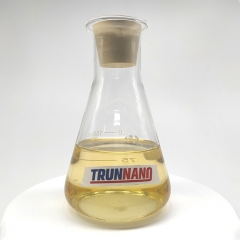
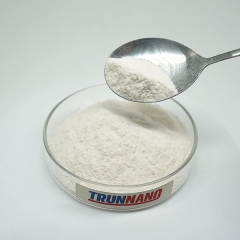
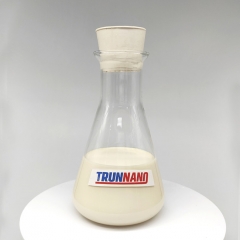
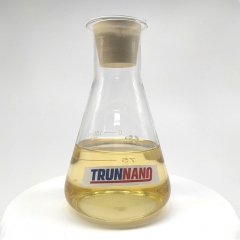
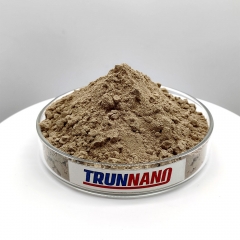
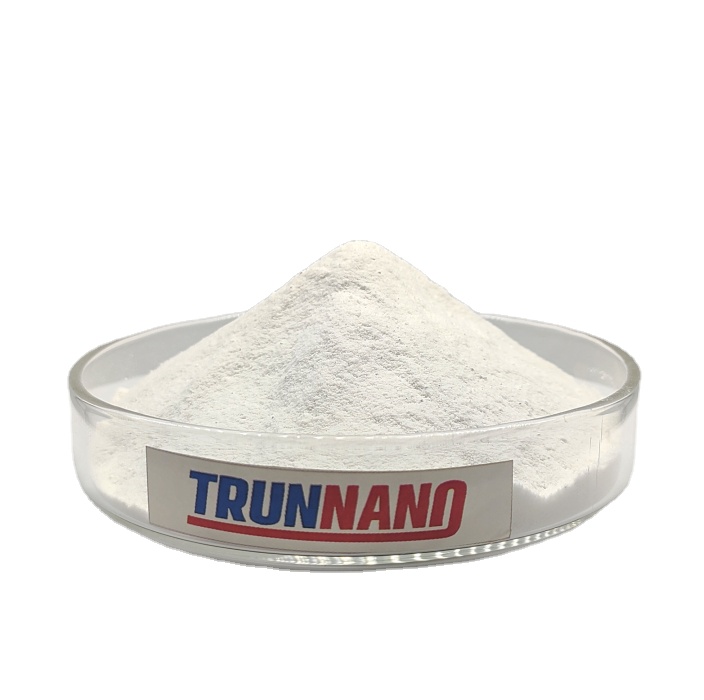
Liquid or powder |
|
Dosage |
Varies by type and application (e.g., 0.5-2% by weight of cement) |
|
Specific Gravity |
Typically between 1.05 - 1.20 |
|
pH |
Generally neutral (6.0 - 8.0) |
|
Compatibility |
Compatible with most cements and supplementary cementitious materials |
|
Storage Conditions |
Store in a cool, dry place away from direct sunlight |
|
Shelf Life |
Typically 6 months to 1 year |
Types of concrete admixtures
If concrete admixtures are classified by function, there are five different classes of chemical admixtures: air-entraining admixtures, water-reducing admixtures, retarders, accelerators, and plasticizers (superplasticizers).
| Product Category | Representative Products | Key Features | Application Areas |
|---|---|---|---|
| Foaming Agent Series | TR-A/TR-B/TR-C/TR-F/TR-E (Nano Animal Protein Type) | High foaming rate, stable foam, low dosage, nano-enhanced | Backfilling, CLC blocks, lightweight partition walls, cast-in-place walls |
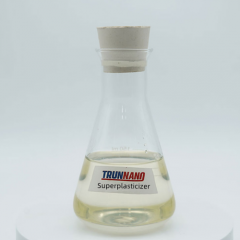
| Superplasticizer Series | Polycarboxylate superplasticizer (powder/mother liquid) | High water reduction rate, strong adaptability, no defoaming effect | Self-leveling mortar, precast concrete, foam concrete |
| Lightweight Wall Panel Additives | Leveling agent TR-26C, early strength agent TR-31 series, nano-modifier TR-720 series | Improved strength, enhanced toughness, better workability | Self-insulating blocks, polystyrene particle wall panels, lightweight partition walls |
| Gypsum Product Additives | Gypsum retarder TR-720S, impermeability agent TR-83 | Regulates setting time, improves waterproof performance | Gypsum wallboards, masonry blocks, self-leveling gypsum |
| Silicate Series | Sodium/Potassium/Lithium silicate | High purity, good stability, enhances concrete performance | Refractory materials, cement reinforcement, coating binders |
| Road Repair Mortar | TR-RP | Fast setting, high strength, micro-expansion, wear-resistant | Cement road repair, ground surface treatment |
| Soil Curing Agent | TR-TG | Environmentally friendly, non-toxic, improves soil strength, reduces project costs | Roadbed treatment, rammed earth walls, cultural walls |
| Nano-modified Redispersible Polymer Powder | TR-RDP | High bonding strength, water and weather resistance | Mortar, tile adhesive, putty powder |
| Nano-composite Hydroxypropyl Methylcellulose | TR-HPMC | High water retention, improved construction workability |

TR-E concrete foaming agent
Applications of concrete admixtures
Concrete admixtures are added to water-cement mixtures to extend the life of concrete, control setting and hardening, and fix the general properties of concrete. They can be powder or liquid additives. Concrete admixtures can be added at the point of manufacture or on the job site.

Suppliers of concrete admixtures
We are a professional supplier of concrete admixtures and can provide polycarboxylate superplasticizer, concrete accelerator, concrete foaming agent, concrete reinforcement, redispersible polymer powder, HPMC hydroxypropyl methylcellulose, PVA fiber, PP fiber, etc.
Payment Term:
T/T, Credit Card, Western Union, Paypal etc.
Shipment Term:
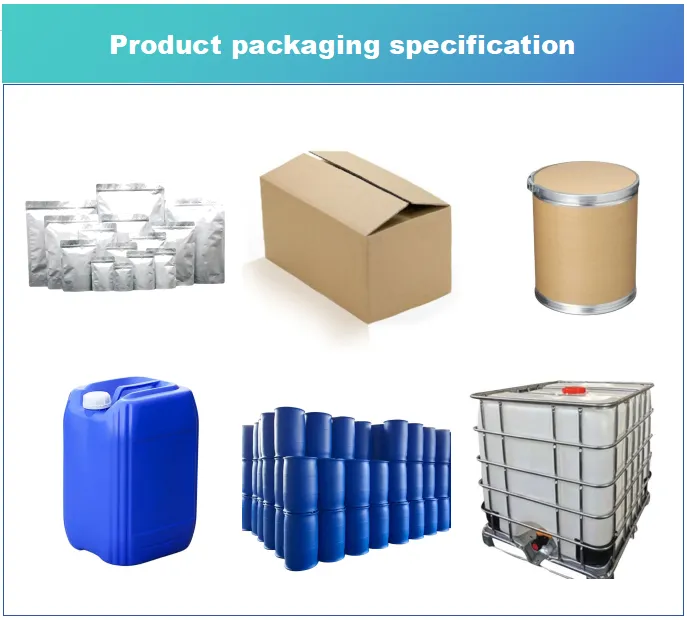
By courier, by air, by sea, by land, as customers request.
Storage conditions:
1) Store in a dry environment at room temperature.
2) Avoid damp and high temperature.
3) Use immediately after opening the inner packing bag.
5 FAQs of Concrete Admixtures
What are the main types of concrete admixtures?
The main types include water reducers, superplasticizers, air entrainers, accelerators, and retarders. Each type serves a specific purpose, such as improving workability, increasing strength, enhancing durability, or controlling setting times.
How do water reducers and superplasticizers improve concrete performance?
Water reducers and superplasticizers reduce the amount of water needed to achieve a given workability, leading to higher strengths and better durability. Superplasticizers provide more significant reductions in water content compared to standard water reducers.
Can admixtures be used in all types of concrete?
Most admixtures can be used in various types of concrete, but compatibility must be considered. It's important to consult the admixture manufacturer’s guidelines and conduct trial mixes to ensure proper performance.
What is the effect of air entraining admixtures?
Air entraining admixtures introduce microscopic air bubbles into the concrete mix, which enhance freeze-thaw resistance and improve workability. They are particularly useful in areas subjected to harsh weather conditions.
How should concrete admixtures be stored?
Admixtures should be stored in sealed containers in a cool, dry place away from direct sunlight. Proper storage helps maintain their effectiveness and extends their shelf life. Always follow the manufacturer’s storage recommendations to avoid degradation.