Description of Concrete Curing Agent
This product is a nano-modified lithium-based curing agent engineered for concrete surfaces prone to sanding, dusting, and cracking. It penetrates deeply into the substrate and reacts with free lime to form insoluble calcium silicate hydrate (C-S-H) gel, effectively sealing the pore structure from within. It is formulated to address the common issues of ground puling and sanding before the application of repair mortar, significantly improving construction efficiency and final surface quality. Treated surfaces exhibit reduced permeability, enhanced dust and water resistance, and improved abrasion resistance—making it an ideal concrete sealing curing agent for both new and existing concrete floors in industrial and commercial settings.
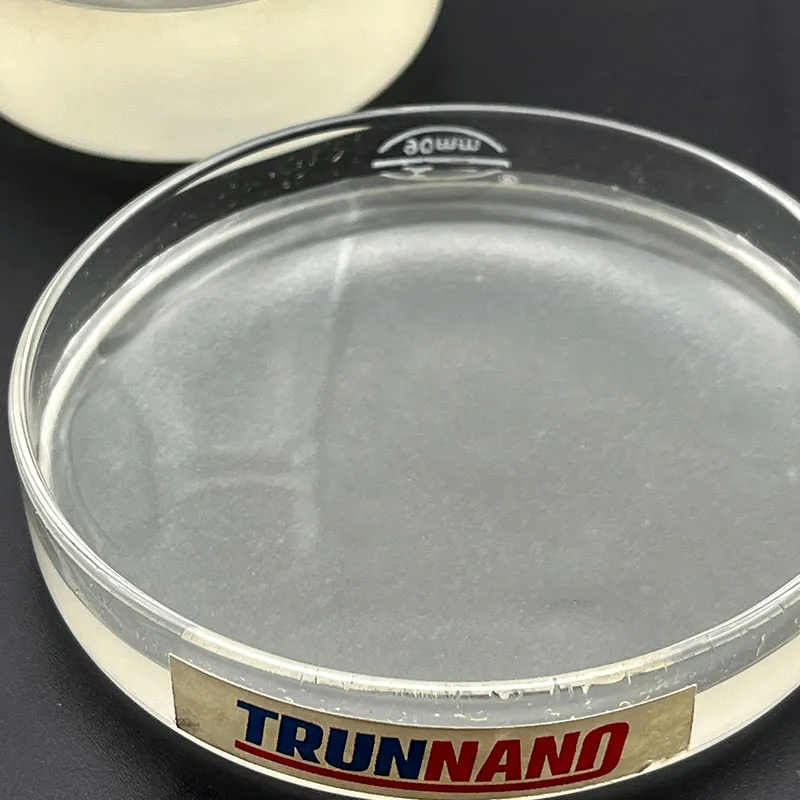
Concrete Curing Agent Sealing Agent
Product Advantages of Concrete Curing Agent
Prevents Sand and Dust: Deep penetration locks in surface particles and eliminates dusting, delivering a clean, dust-free environment without the need for waxing.
Resists Alkali, Seepage, Moisture: Seals capillaries to block water, oil, and mild chemical ingress, reducing efflorescence and surface sweating.
Hard and Wear-Resistant: Increases surface hardness and abrasion resistance, extending the service life of the concrete floor and resisting damage from heavy traffic.
Professional Solution: Specifically designed for cement wall and floor dust, sand, and cracks, providing a reliable base for subsequent repair or coating systems.
Long-Lasting and Durable: The reactive treatment becomes an integral part of the concrete, forming a permanent seal that will not peel, flake, or delaminate.
Odorless and Environmentally Friendly: Water-based, low-VOC formulation with no harsh solvents, making it suitable for interior applications where air quality is a concern.
Tables of Concrete Curing Agent
Table 1: Technical Specifications
|
Parameter |
Specification Details |
|---|---|
|
Product Name |
Nano-Modified Lithium-Based Concrete Curing Agent |
|
Active Ingredient |
Lithium Silicate (Nano-modified) |
|
Appearance |
Clear to slightly cloudy, colorless liquid |
|
Odor |
Odorless (Environmentally friendly, Low-VOC) |
|
Dilution Ratio |
1 : 2 to 1 : 5 (Concentrate : Water) |
|
Coverage Rate |
80m² - 90m² per 20kg barrel (Depends on surface porosity) |
|
Packaging Standard |
20kg / barrel (Plastic drum) |
|
Shelf Life |
12 Months (Store in a cool, dry place, keep sealed) |
Table 2: Application & Coverage Guide
|
Construction Step |
Operation Details |
Key Notes |
|---|---|---|
|
1. Surface Prep |
Remove dust, peeling layers, and oil using a shovel or grinder. |
Ensure the surface is clean, dry, and free of loose particles. |
|
2. Dilution |
Mix with 2-5 times water. |
Stir well. Use less water for porous surfaces and more for dense surfaces. |
|
3. Application |
Apply evenly with a roller or mop. Re-apply after initial curing. |
Keep the surface wet for 15-20 mins to ensure deep penetration. |
|
4. Curing & Polishing |
Ventilate for 4 hours. Polish or apply topcoat after drying. |
Avoid heavy foot traffic until the surface is fully dry. |
|
Reference Coverage |
80m²-90m² per barrel |
Actual coverage varies by site conditions and concrete porosity. |
Table 3: Before & After Performance
|
Performance Metric |
Untreated Concrete |
Treated with Lithium Curing Agent |
|---|---|---|
|
Surface Dusting |
Severe dusting, hard to clean |
Dust-free, easy to maintain |
|
Surface Hardness |
Soft, prone to scratches |
Increased hardness, highly wear-resistant |
|
Water Permeability |
High absorption, prone to seepage |
Sealed pores, moisture-proof |
|
Chemical Resistance |
Vulnerable to alkali and oils |
Resists alkali & mild chemicals |
|
Coating Adhesion |
Weak base, paint peels easily |
Strong substrate, ideal for epoxy/paint |
|
Maintenance Cost |
High (frequent waxing/repair) |
Low (Permanent seal, long-lasting) |
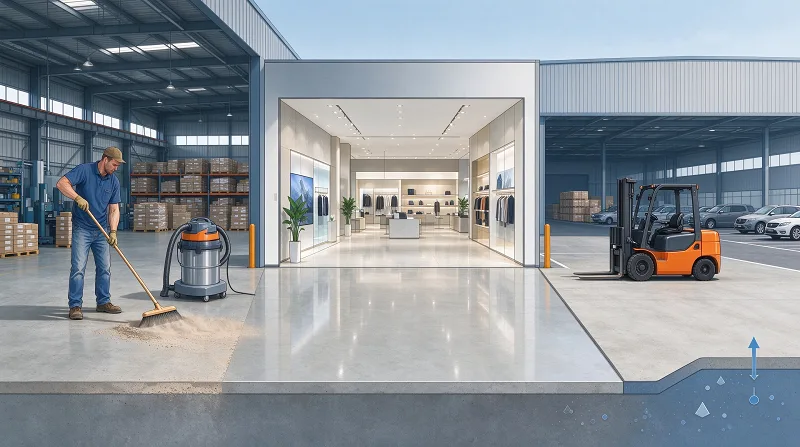
Application of using concrete sealing and curing agent
Product Application of Concrete Curing Agent
Suitable for reinforcement and sealing of cement concrete walls and floors, particularly in industrial workshops, warehouses, and commercial spaces.
Sealing and strengthening before applying putty, plastering, or laying floor repair mortar—ensures the substrate is stable and non-dusting.
Moisture proofing for walls, roofs, stones, and panels, effectively reducing water penetration and seepage issues.Dustproofing and hardening for old or new concrete floors in logistics centers, manufacturing plants, parking garages, and retail areas.
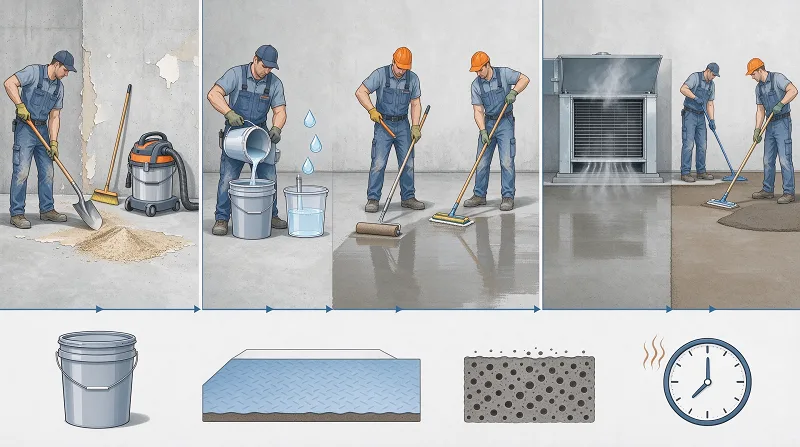
Construction Process of using concrete curing agent
Construction Step of Concrete Curing Agent
1. Grassroots Cleaning: Use a shovel to remove any peeling, dusting, and sanding surface layers. Clean the floor thoroughly to ensure it is free of loose material, oil, and contaminants.
2. Dilute with Water: Add 2-5 times the original solution to dilute with water. Use auxiliary materials for permeation and absorption as needed.
3. Apply Evenly: Apply the diluted solution evenly onto the surface. Wait for the ground to dry slightly, then use a roller or mop to push it away and ensure uniform coverage. Apply again after initial curing.
4. Ventilate and Dry: Ventilate the area and allow it to dry. After 4 hours of drying under ventilated conditions, the surface can be polished or other materials can be applied.
5. Reference Add Amount: The covering area is about 80m²-90m²/barrel (using area depends on site conditions and surface porosity).
6. Packaging Standard: 20kg/barrel.
Application Scenarios of Concrete Curing Agent
Industrial Warehouses: Hardens and dustproofs concrete floors in high-traffic areas, reducing maintenance costs.
Logistics and Distribution Centers: Enhances surface density and abrasion resistance for forklift and heavy equipment traffic.
Commercial and Retail Spaces: Provides a clean, dense surface that is easy to maintain and improves light reflectance.
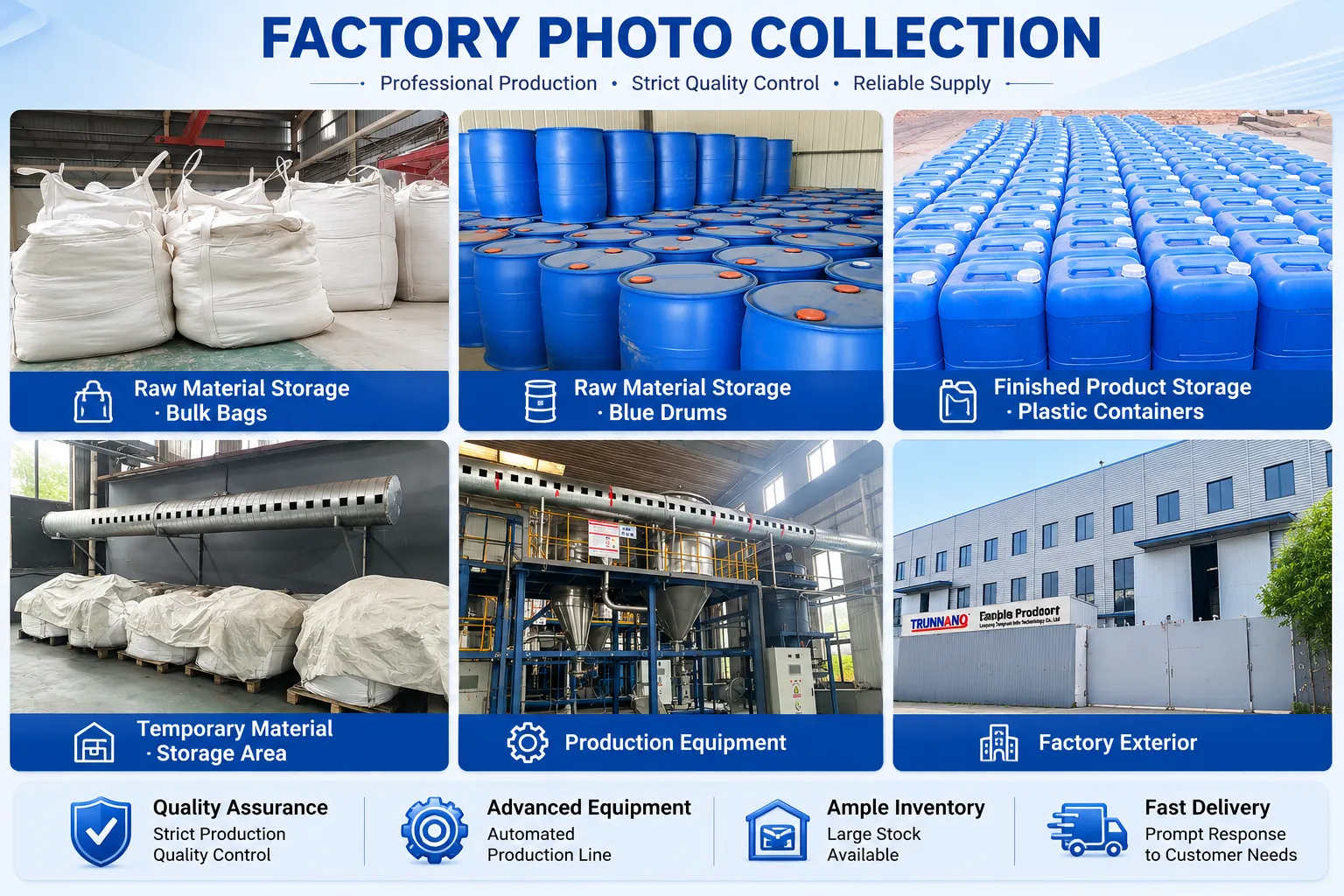
Company Profile
Luoyang Tongrun Nano Technology Co. Ltd. (TRUNNANO) is a trusted global chemical material supplier & manufacturer with over 12-year-experience in providing super high-quality chemicals and nanomaterials, including boride powder, nitride powder, oxide powder, sulfide powder, concrete admixtures and advanced ceramic products, etc.
The company has a professional technical department and Quality Supervision Department, a well-equipped laboratory, and equipped with advanced testing equipment and after-sales customer service center.
If you are looking for high-quality Penetrating seal curing agent lithium-based curing agent seal concrete agent, please feel free to contact us or click on the needed products to send an inquiry.
Frequently Asked Questions (FAQs) of Concrete Curing Agent
1. What exactly is a lithium-based concrete curing agent?
A lithium-based concrete curing agent is a chemically reactive liquid (usually lithium silicate) that penetrates the concrete surface. Unlike film-forming curing compounds that sit on top, this concrete sealing curing agent reacts with the free lime inside the concrete to create a harder, denser, and dust-proof surface from the inside out.
2. How does this product compare to standard sodium or potassium silicates?
Our nano-modified lithium-based curing agent offers superior performance. Lithium silicate particles are much smaller, allowing for deeper penetration into the concrete pores. It also significantly reduces the risk of "ASR" (Alkali-Silica Reaction) and efflorescence, which are common issues with sodium-based products.
3. Can this concrete curing agent be used on new concrete?
Yes. It is highly effective on new concrete once the surface has cured enough to walk on (typically 7-14 days). Applying this concrete curing agent early helps to lock in moisture for proper hydration while simultaneously sealing the surface against dusting and damage.
4. What is the dilution ratio for this concrete sealing curing agent?
As per the construction steps, you should dilute the concentrated solution with 2 to 5 times the amount of water. The exact ratio depends on the porosity of your concrete floor. For highly porous or sandy surfaces, a thicker dilution (less water) may be used for the first coat.
5. Does this product work as a waterproofing agent?
Yes, while it is primarily a densifier and hardener, the chemical reaction permanently fills the capillaries and pores. This drastically reduces water permeability and moisture vapor transmission, making it an excellent integral part of your concrete waterproofing system.
6. How long does the concrete curing agent take to dry?
The surface will be dry to the touch within a few hours. However, as noted in the instructions, you should ventilate and allow it to dry for at least 4 hours under ventilated conditions before applying polishes or other topcoat materials. Full chemical curing continues over 24-48 hours.
7. Will this concrete sealing curing agent change the appearance of my floor?
Our product is odorless and clear. It will not leave a glossy film or change the color of the concrete. It leaves a natural, matte finish that enhances the concrete's original look. If a high-gloss finish is desired, you can polish the floor after the concrete curing agent has fully dried.
8. Can I use this concrete curing agent before applying floor paint or epoxy?
Yes, it is actually recommended. Applying this concrete sealing curing agent first strengthens the substrate, stops dusting, and reduces moisture vapor emission. This creates a perfect, stable base for epoxy coatings, polyurethane, or floor paint to adhere to properly.
9. How much area does one 20kg barrel cover?
The reference coverage is 80m² to 90m² per barrel. However, this depends heavily on the condition of the site—dense, smooth concrete will cover more area, while rough, porous, or heavily sanded concrete will absorb more material and reduce coverage.
10. Is the lithium-based curing agent safe for indoor use?
Absolutely. Our formulation is water-based, non-toxic, and odorless. It contains no VOC (Volatile Organic Compounds) or harsh solvents. It is safe for use in food processing plants, warehouses, and commercial spaces where indoor air quality is a priority.