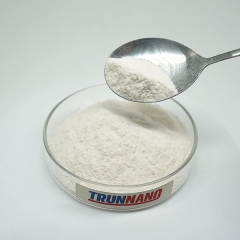
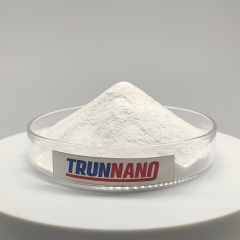
What is Cement antifoam?
Cement defoamer, as known as cement antifoam, is a kind of additive specially designed according to the foaming characteristics of cement mortar in the mixing process.
Its main function is effectively controlling foam formation in the concrete mortar system and making the concrete members more compact and bright.

Cement antifoam
Features of Cement antifoam
1. Defoamer has good dispersibility and rapid defoaming in cement mortar system
2. The amount of defoamer is small, and the efficiency is high
3. The defoamer can effectively control the foam generation in the cement mortar system, making the concrete components more dense and bright.
Application of Cement antifoam
The anti-foaming agent is mainly used for defoaming in the production process of cement mortar, water-reducing agent, concrete, asbestos tile, calcium silicate board, putty powder, mineral pulp, reinforcing agent, etc.
How to use Cement antifoam
1. Add directly to stock solution or add in batches
2. According to different systems, the additional amount of defoamer can be 0.1-1%, which is determined according to the customer's specific situation and practice.
3. A small test can be done before use to avoid abnormal situations.
Storage of Cement antifoam
Storage: the anti-foaming agent is not dangerous, non-flammable, sealed, and stored in a cool, ventilated, and dry place indoors. The container should be tightly sealed after each use before use. The shelf life is about 12 months at 25℃.
Transportation: This product should be well sealed during transportation to prevent moisture, strong alkalis, strong acids, rainwater, and other impurities from being mixed.

FAQs of Cement antifoam
Q: What are the specific effects of using cement defoamer on concrete properties?
A: The correct use of cement defoamer will have a positive impact on the performance of concrete: Enhanced Mechanical Strength: reduced porosity due to foam improves the compressive, tensile and flexural strength of concrete. Improved workability: unwanted air entrapment is eliminated, making concrete easier to mix, pour and level. Optimized appearance quality: Surface defects due to air bubbles, such as pockmarks and honeycomb structures, are avoided, enhancing the aesthetics of the finished product. Increases durability: Reduces the possibility of moisture penetration and enhances resistance to freeze-thaw cycles, chemical attack and other environmental factors. Promote early hardening: helps accelerate the hydration reaction of cement, shorten the maintenance time and speed up the construction progress.
Q: How to choose the right cement defoamer for a specific application?
A: Selection of a suitable cement defoamer requires consideration of a number of factors: Substrate type: Different cementitious materials (e.g. ordinary silicate cement, fast hard cement, low alkali cement, etc.) may respond differently to certain types of defoamers, so the choice should be made according to the specific type of cement used. Application areas: For different application scenarios such as ready-mixed concrete, site-mixed concrete, patching materials, tile adhesives, etc., the effect and applicability of the selected defoamer may also vary. Climatic conditions: Temperature, humidity and other factors will affect the efficiency of the defoamer, in extreme environments may require special formulations of products. Cost-effectiveness: Comprehensive consideration of price, dosage and long-term maintenance costs to find the most cost-effective solution. Environmental requirements: With the improvement of environmental awareness, more and more projects tend to use more environmentally friendly construction materials, so the choice should also focus on the environmental friendliness of the product and its compliance with relevant regulations and standards.
Q: How to use cement defoamer correctly in the construction process?
A: To ensure that cement defoamers work at their best, the following points should be noted during the construction process: Follow the manufacturer's guidelines: Add the defoamer in the proportions and in the way recommended by the product specification. Excessive use may cause the opposite effect, such as excessive demolding or affecting the flow of the concrete. Homogeneous dispersion: Ensure that the defoamer is well mixed with the cement or other components, this can be achieved by extending the mixing time or using efficient mixing equipment. Test samples: Before large-scale application, it is recommended to make small batch samples to observe the defoaming effect and adjust the dosage until the desired condition is reached.
Attention to storage conditions: Keep the defoamer stored in a dry, cool place, away from direct sunlight and high temperature areas to prevent deterioration and failure. Safe operation: Wear appropriate personal protective equipment, such as gloves, goggles, etc. to avoid skin contact or inhalation of dust.
Q: Are there any potential environmental and health hazards associated with cement defoamers?
A: Most commercially available cement defoamers have been rigorously evaluated for safety and are relatively safe for human health and the environment under normal conditions of use. However, there are some basic things to keep in mind: Biodegradability: Some defoamers contain organic components that should be decomposable by microorganisms in the natural environment to minimize the risk of long-term accumulation. Toxicity information: Check the product's Safety Data Sheet (SDS) for any acute or chronic toxicity warnings, especially for direct worker exposure. Discharge control: When disposing of wastewater containing defoamer, comply with local environmental protection regulations and take the necessary decontamination measures to prevent untreated liquids from entering the water system. Occupational health: Good ventilation should be provided at the construction site to reduce the concentration of particulate matter floating in the air; employees should also be educated on the proper use and personal protection to reduce the risk of accidental exposure. Overall, cement defoamers do not pose a significant threat to the environment or human health as long as they are used appropriately and in accordance with the guidance instructions.