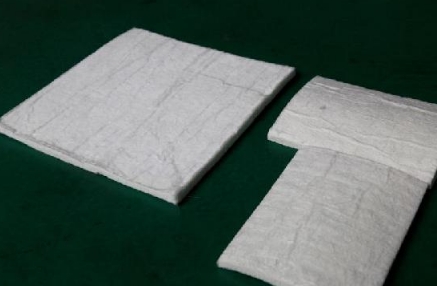
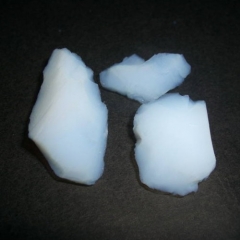
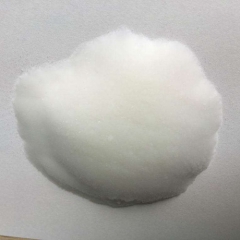
Overview of Aerogel Insulation Material
Aerogel is an ultralight solid material with a nanoporous structure, often referred to as "solid air" or "frozen smoke" due to its excellent thermal insulation properties. This material is produced by removing the liquid from the gel using special drying techniques (such as supercritical drying) while retaining its original three-dimensional network structure. It boasts a porosity of 80%–99.8% and a density as low as three times that of air.
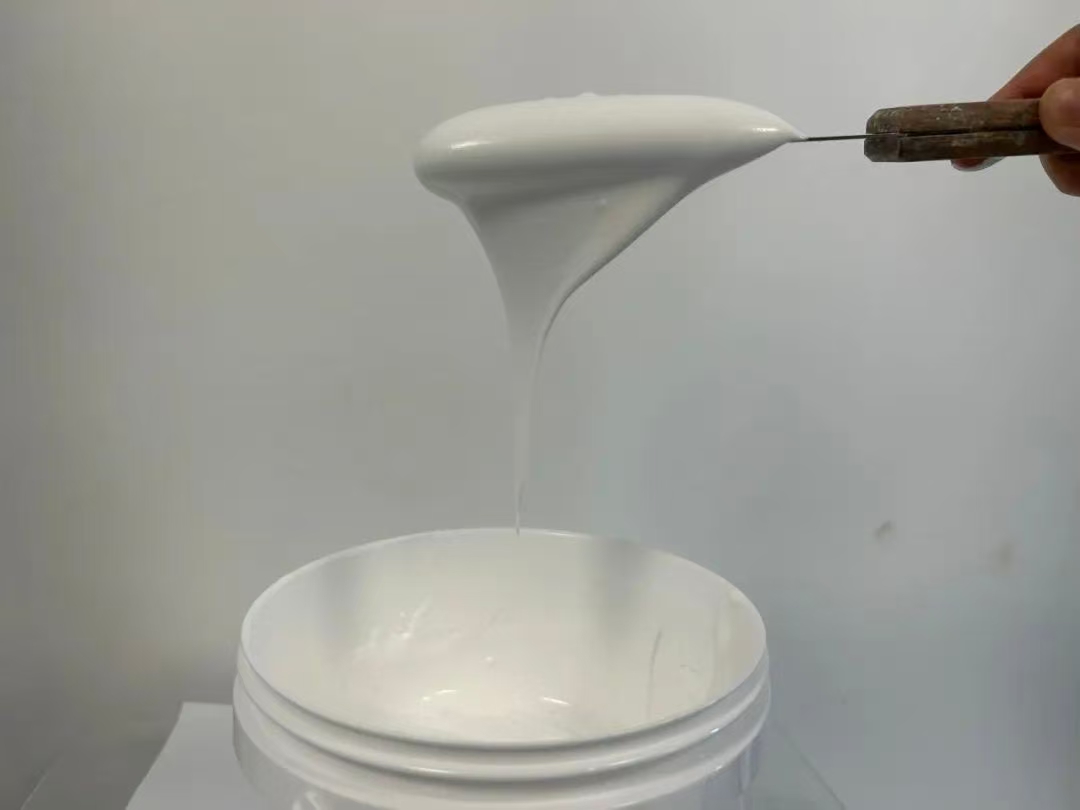
Aerogel Insulation Coating
Aerogel Insulation Principles and Core Characteristics
1. Synergistic Effect of Triple Insulation Mechanisms
Nanoscale Pores Inhibit Convection: The extremely small pore size of aerogel (1–100 nm) makes it difficult for air molecules to move freely, effectively inhibiting convective heat transfer.
Ultra-Low Solid-Phase Thermal Conductivity: The solid framework is composed of nanoparticles or fibers, resulting in a long and tortuous heat conduction path and extremely low thermal conductivity at room temperature (0.013–0.025 W/(m·K)).
Infrared Radiation Blocking: By doping with light-shielding agents or reflective materials (such as silica aerogel), infrared heat radiation transmission is significantly reduced.
2. Material Performance Advantages
Ultra-lightweight, reducing system load.
Good flexibility, suitable for complex surfaces.
Excellent high-temperature resistance (some models can withstand temperatures above 650°C).
Hydrophobic and moisture-proof, with stable long-term performance.
3. Main Applications of Aerogel Insulation Materials
3.1 Building Energy Conservation
High-efficiency Energy-Saving Windows: Transparent aerogel interlayer, balancing light transmission and insulation.
Wall Insulation Systems: Ultra-thin insulation layer, improving building energy efficiency.
Roof and Ground Insulation: Reduces thermal bridging.
3.2 Industrial Insulation Solutions
Petrochemical Industry: Insulation for High-Temperature Pipelines, Tanks, and Reaction Equipment
Power Energy: Insulation for Thermal Pipelines and Steam Systems
Industrial Furnaces and Kilns: Energy-Saving Retrofitting of High-Temperature Equipment
3.3 High-Tech and Special Applications
Aerospace: Spacecraft Thermal Insulation Layers and Cabin Insulation Systems
New Energy Sector:
Lithium-ion Battery Separators for Enhanced Safety
Hydrogen Storage Materials for Increased Hydrogen Storage Efficiency
Solar Collector Insulation
3.4 Consumer Goods and Outdoor Equipment
High-Performance Apparel: Ultra-Thin Thermal Clothing, Lightweight as Regular Clothing
Outdoor Products: Insulation Layers for Hiking Boots, Tents, and Sleeping Bags
Specialty Equipment: Firefighting Suit, Polar Expedition Equipment
Company Profile
Luoyang Tongrun Nano Technology Co. Ltd. (TRUNNANO) is a trusted global chemical material supplier & manufacturer with over 12-year-experience in providing super high-quality chemicals and nanomaterials, including boride powder, nitride powder, graphite powder, sulfide powder, 3D printing powder, etc.
The company has a professional technical department and Quality Supervision Department, a well-equipped laboratory, and equipped with advanced testing equipment and after-sales customer service center.
If you are looking for high-quality Aerogel Material, please feel free to contact us or click on the needed products to send an inquiry.
Payment
T/T, Western Union, Paypal, Credit Card etc.
Shipment
By air, by sea, by express, as customers request.
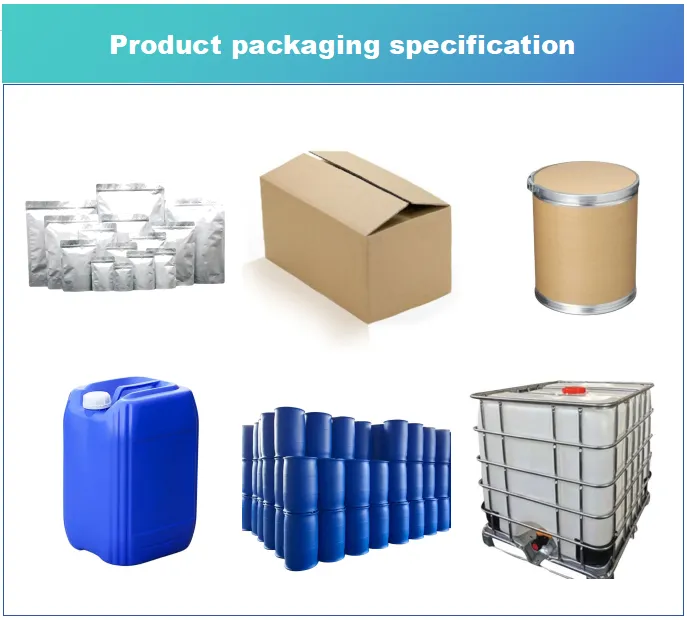
FAQs of Aerogel Insulation Materials
Q: Why is the thermal insulation performance of aerogel so good?
A: Its nanoporous structure (porosity >90%) can effectively inhibit heat conduction, convection and radiation, and the thermal conductivity is as low as 0.013 W/(m·K).
Q: Is aerogel resistant to high temperatures?
A: Inorganic aerogels (such as silica) are temperature resistant to 650℃+, metal oxide aerogels can reach above 1000℃, and organic aerogels have low temperature resistance (about 200℃).
Q: Is aerogel easy to break?
A: Pure aerogels are relatively brittle, but they can greatly increase the strength through composite fibers (such as glass fibers) or flexible polymers to make practical forms such as flexible felts and plates.
Q: Is aerogel waterproof?
A: Unmodified aerogels may absorb hygroscopicly, but after hydrophobic treatment (such as silane modification) are superhydrophobic (contact angle >150°), suitable for humid environments.
Q: Why are aerogels expensive?
A: The main reason is that the production process is complex (such as supercritical drying), but large-scale production and technological improvements (such as atmospheric pressure drying) are gradually reducing costs.
Q: Is aerogel material environmentally friendly?
A: Its main component is silicon dioxide, which is non-toxic and harmless. The production process uses green technologies and meets environmental protection requirements.
Q: What are the advantages of aerogel insulation compared to traditional insulation materials?
A: For the same insulation effect, aerogel is only 1/3–1/5 the thickness of traditional materials, saving space and having a longer lifespan.
Q: How difficult is the construction of aerogel materials?
A: Various product forms are available, including rolls, sheets, or coatings, making construction convenient.