
By Vincy | 12 June 2026 | 0 Comments
Silicate Superheroes: Unleashing the Power of Sodium, Potassium, and Lithium Silicates
Sodium silicate, potassium silicate, and lithium silicate are among the most important silicate materials used in modern industry, construction, coatings, and advanced materials science.
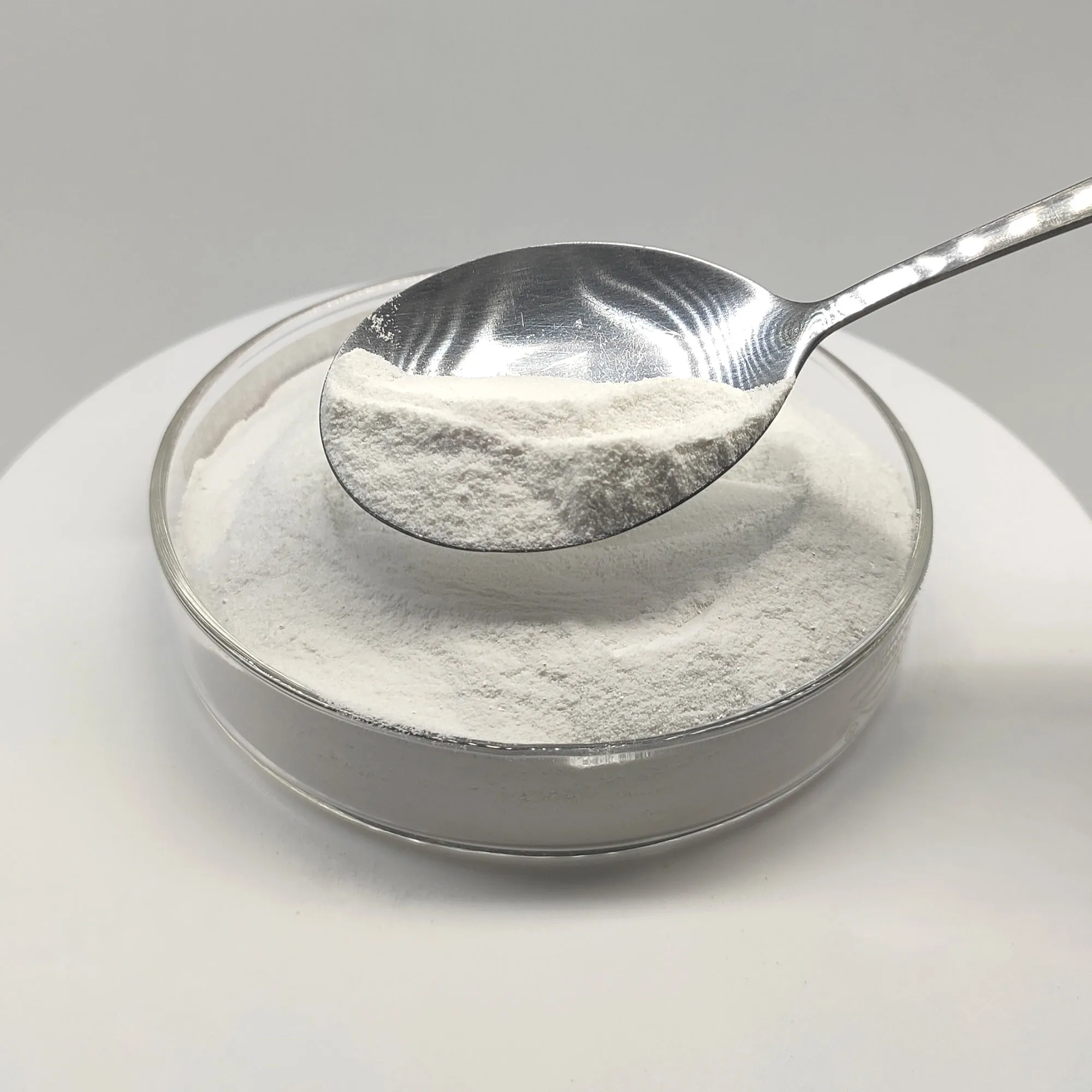
sodium silicate
If you have ever wondered how concrete floors become more durable, how fire-resistant coatings work, or how certain industrial adhesives achieve remarkable strength, there is a good chance that one of these silicate compounds plays a role. Although they belong to the same chemical family, sodium silicate, potassium silicate, and lithium silicate possess distinct chemical and physical properties that make them suitable for different applications.
For college students studying chemistry, materials science, engineering, or related fields, understanding these three compounds provides an excellent introduction to the fascinating relationship between chemical structure and material performance. In this article, we will explore their chemistry, properties, production methods, applications, advantages, limitations, and the key differences that distinguish them from one another.
What Are Silicates?
Before examining each material individually, it is helpful to understand what silicates are.
Silicates are compounds that contain silicon and oxygen arranged in various structural units. Silicon is one of the most abundant elements in the Earth's crust and is commonly found in minerals, rocks, sand, and clay. The fundamental building block of silicate chemistry is the silicon-oxygen tetrahedron, in which a silicon atom is surrounded by four oxygen atoms.
When silicate compounds are dissolved in water, they can form alkaline solutions containing various silicate ions. The behavior of these ions determines many of the properties of silicate materials, including their ability to bind surfaces, react with minerals, and form durable protective layers.
Sodium silicate, potassium silicate, and lithium silicate are known as alkali metal silicates because they contain alkali metal ions combined with silica. Their general formulas are based on combinations of silica (SiO2) and the oxides of sodium, potassium, or lithium.
Although their chemistry appears similar at first glance, the size and behavior of the alkali metal ions significantly influence the performance of each material.
The Chemistry of Sodium Silicate
Sodium silicate is commonly represented by the formula Na2O·nSiO2, where n varies depending on the silica-to-sodium oxide ratio. It is often called "water glass" because many forms are soluble in water and produce clear, glass-like solutions.
Commercial sodium silicate is usually manufactured by heating silica sand with sodium carbonate at high temperatures. During this process, the materials react to form a glassy solid that can later be dissolved in water to produce liquid sodium silicate solutions.
The ratio between silica and sodium oxide is one of the most important parameters affecting performance. Lower silica ratios generally produce more alkaline solutions, while higher silica ratios often improve film-forming properties and chemical resistance.
In aqueous solution, sodium silicate exhibits strong alkalinity. This high pH contributes to many of its industrial applications because it can react with mineral surfaces and promote chemical bonding.
One of the most interesting characteristics of sodium silicate is its ability to form hard, glass-like films after drying. As water evaporates, dissolved silicate species condense and create a solid network that adheres strongly to many substrates.
Properties of Sodium Silicate
The widespread use of sodium silicate results from a combination of desirable properties.
It is relatively inexpensive because its raw materials, sand and sodium carbonate, are abundant and affordable. This cost advantage makes sodium silicate attractive for large-scale industrial applications.
potassium silicate
The material exhibits strong adhesive properties, especially when bonding porous mineral surfaces. It can penetrate small pores and react with mineral components to create durable attachments.
Sodium silicate also demonstrates excellent fire resistance. Because it is inorganic and noncombustible, it can be incorporated into coatings and construction materials that require enhanced resistance to heat and flames.
Another valuable property is its ability to stabilize soils and bind particles together. This characteristic has made sodium silicate useful in foundry operations, drilling fluids, and construction technologies.
However, sodium silicate is not perfect. Its relatively high alkalinity can create compatibility issues with certain materials, and films formed from sodium silicate may sometimes be more susceptible to moisture than those formed by other silicate systems.
Applications of Sodium Silicate
The industrial uses of sodium silicate are remarkably diverse.
In detergents, sodium silicate functions as a builder that helps control water hardness and improve cleaning efficiency. It can also provide corrosion protection for metal components in washing systems.
The paper industry uses sodium silicate during various processing steps. It can contribute to bleaching operations and improve certain paper properties.
In construction, sodium silicate serves as a concrete densifier and surface hardener. When applied to concrete, it reacts with calcium hydroxide present in the cement matrix to form additional calcium silicate hydrate, often abbreviated as C-S-H. This reaction can improve hardness and reduce dust generation.
Foundries frequently use sodium silicate as a binder for sand molds and cores. The material helps hold sand particles together while maintaining dimensional stability during casting operations.
Sodium silicate is also utilized in refractory products, welding electrodes, adhesives, catalyst manufacture, water treatment, and numerous specialty formulations.
The Chemistry of Potassium Silicate
Potassium silicate resembles sodium silicate in many ways, but potassium ions replace sodium ions within the structure. The material is commonly represented by the formula K2O·nSiO2.
Like sodium silicate, potassium silicate can be produced through high-temperature reactions involving silica and potassium-containing raw materials. The resulting glass can be dissolved in water to form alkaline solutions.
At first glance, the chemistry appears almost identical. Both materials contain silica networks and both form alkaline aqueous solutions. However, the larger size of potassium ions influences important characteristics such as solubility, film formation, weather resistance, and durability.
These differences become particularly important in coatings and architectural applications.
Potassium silicate solutions tend to form highly stable inorganic binders capable of producing durable mineral coatings. Because of their performance under outdoor conditions, they have gained significant popularity in architectural paints and protective coatings.
lithium silicate
Properties of Potassium Silicate
One of the most notable properties of potassium silicate is its excellent weather resistance.
Coatings based on potassium silicate often exhibit superior resistance to ultraviolet radiation compared with many organic coating systems. Since the binder itself is inorganic, it is less vulnerable to degradation caused by sunlight.
Potassium silicate coatings also offer high vapor permeability. This means that water vapor can move through the coating while liquid water penetration remains limited. Such behavior is particularly valuable in building materials because it allows structures to "breathe."
Another advantage is reduced efflorescence compared with some sodium silicate systems. Efflorescence refers to the formation of visible salt deposits on surfaces, which can affect appearance and performance.
Potassium silicate also produces highly durable mineral bonds with substrates containing silica or other compatible mineral phases. These bonds contribute to long service life in demanding outdoor environments.
Furthermore, potassium silicate exhibits excellent heat resistance and noncombustibility, making it useful in fire-resistant formulations.
Applications of Potassium Silicate
Potassium silicate has become especially important in the coatings industry.
Mineral paints based on potassium silicate are widely used on concrete, masonry, stucco, and historical buildings. These coatings can maintain their appearance and functionality for many years because the binder becomes chemically integrated with the substrate.
Architectural coatings benefit from the material's UV stability and weather resistance. Unlike many organic binders that gradually degrade under sunlight exposure, potassium silicate systems maintain their integrity more effectively.
The agricultural sector also uses potassium silicate. Potassium is an essential plant nutrient, and certain formulations provide both silicon and potassium to crops. Silicon can contribute to plant strength and stress resistance in some species.
Potassium silicate is also employed in welding electrodes, refractory materials, specialty cements, and protective coatings designed for high-temperature service.
In artistic and decorative applications, potassium silicate serves as a durable binder for mineral pigments. The resulting coatings can exhibit exceptional longevity.
The Chemistry of Lithium Silicate
Lithium silicate represents the third major member of this silicate family. It is commonly associated with formulas based on Li2O and SiO2 combinations.
Among the three alkali metals discussed here, lithium possesses the smallest ionic radius. This seemingly simple difference has profound consequences for material behavior.
Lithium ions interact differently with silicate structures compared with sodium and potassium ions. As a result, lithium silicate often exhibits unique penetration characteristics, reactivity, and film properties.
Although lithium silicate is generally more expensive than sodium silicate and potassium silicate, its specialized performance makes it highly attractive in advanced construction and surface treatment applications.
Over the past several decades, lithium silicate has gained increasing attention as a premium concrete densifier and protective treatment.
Properties of Lithium Silicate
One of the most significant characteristics of lithium silicate is its ability to penetrate deeply into porous substrates.
sodium silicate
Because lithium ions are very small, lithium silicate solutions can often move more effectively into fine pore structures than comparable sodium silicate or potassium silicate solutions.
This enhanced penetration is particularly beneficial in concrete treatment. Once inside the concrete, lithium silicate reacts with calcium-containing compounds to generate additional calcium silicate hydrate phases. These reactions help densify the material and improve durability.
Lithium silicate is also associated with reduced risk of alkali-related surface deposits. Compared with some other silicate treatments, lithium silicate can produce cleaner surface appearances.
Another advantage is rapid reaction kinetics. In many applications, lithium silicate treatments react efficiently with cementitious materials, allowing improvements in hardness and abrasion resistance.
The resulting treated surfaces often exhibit lower dust generation and enhanced resistance to wear.
Because lithium compounds are generally more expensive than sodium or potassium compounds, cost remains one of the primary limitations of lithium silicate. Nevertheless, many users consider the performance benefits worth the additional investment.
Applications of Lithium Silicate
The most recognized application of lithium silicate is concrete densification.
Warehouses, factories, distribution centers, airports, and commercial facilities frequently use lithium silicate treatments to improve floor performance. The treatment can increase surface hardness, reduce dusting, and enhance long-term durability.
Polished concrete systems often incorporate lithium silicate because it helps create dense, durable surfaces capable of achieving attractive finishes.
Lithium silicate is also used in specialty coatings and surface treatments where deep penetration and strong mineral reactions are desired.
Certain advanced construction materials employ lithium silicate to improve performance characteristics, particularly in demanding environments requiring high durability.
Researchers continue investigating lithium silicate for innovative applications involving sustainable construction materials and advanced inorganic coatings.
Comparing the Three Materials
Although sodium silicate, potassium silicate, and lithium silicate belong to the same chemical family, their differences become clear when examining practical performance.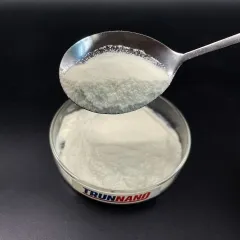
potassium silicat
Sodium silicate is generally the most economical option. Its affordability and versatility have made it a workhorse material across countless industries. When cost is a major consideration and broad functionality is required, sodium silicate often becomes the preferred choice.
Potassium silicate excels in coatings and architectural applications. Its weather resistance, UV stability, and vapor permeability make it particularly valuable for exterior mineral paints and protective systems. Buildings exposed to long-term environmental conditions often benefit from potassium silicate technology.
Lithium silicate distinguishes itself through penetration and reactivity. In concrete treatment applications, it frequently delivers superior densification performance and cleaner surface results. Although more expensive, it is often selected when maximum durability and premium performance are priorities.
The choice among these materials depends heavily on application requirements. Engineers and materials scientists must evaluate cost, durability, environmental exposure, substrate characteristics, and desired performance outcomes before selecting a specific silicate system.
Why These Materials Matter in Modern Materials Science
From an educational perspective, sodium silicate, potassium silicate, and lithium silicate provide excellent examples of how small chemical differences can produce substantial performance variations.
All three materials contain silica-based networks. All three belong to the alkali silicate family. All three can form durable inorganic bonds and participate in mineral reactions.
Yet replacing sodium with potassium or lithium changes ion size, mobility, reaction behavior, penetration characteristics, and long-term performance.
This relationship between atomic-scale properties and macroscopic behavior lies at the heart of materials science. Students often learn theoretical concepts such as ionic radius, diffusion, bonding, and reaction kinetics in chemistry courses. Silicate materials demonstrate how these concepts directly influence real-world engineering performance.
Furthermore, these materials highlight the importance of interdisciplinary thinking. Understanding their behavior requires knowledge of chemistry, physics, geology, engineering, and industrial processing.
As sustainable construction and environmentally durable materials become increasingly important, alkali silicates are likely to remain relevant. Their inorganic nature, fire resistance, durability, and compatibility with mineral substrates align well with many modern performance requirements.
Researchers continue developing new formulations and hybrid systems that combine silicate chemistry with advanced materials technologies. These innovations may lead to improved coatings, more durable infrastructure, and enhanced construction materials in the future.
For students entering materials science, civil engineering, chemical engineering, or industrial chemistry, familiarity with these compounds provides a valuable foundation for understanding broader classes of inorganic materials.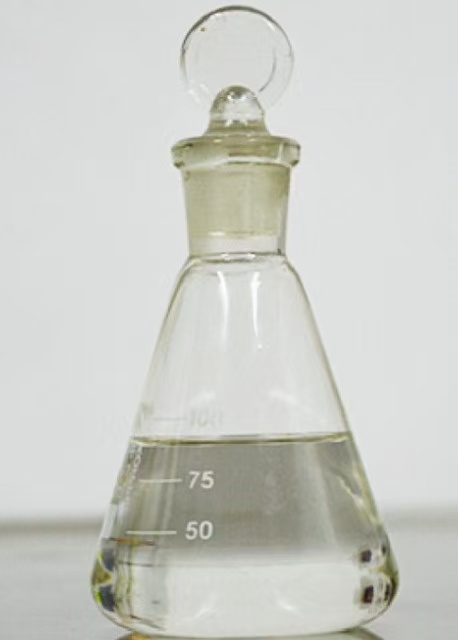
lithium silicate
TRUNNANO CEO Roger Luo said:" Sodium silicate emphasizes economy and versatility, potassium silicate excels in durable mineral coatings, while lithium silicate delivers superior penetration and concrete densification performance.”
Supplier
TRUNNANO is a globally recognized sodium silicate, potassium silicate, lithium silicate manufacturer and supplier of compounds with more than 12 years of expertise in the highest quality nanomaterials and other chemicals. The company develops a variety of powder materials and chemicals. Provide OEM service. If you need high quality sodium silicate, potassium silicate, lithium silicate, please feel free to contact us. You can click on the product to contact us.
Tags: sodium silicate, potassium silicate, lithium silicate
sodium silicate
For college students studying chemistry, materials science, engineering, or related fields, understanding these three compounds provides an excellent introduction to the fascinating relationship between chemical structure and material performance. In this article, we will explore their chemistry, properties, production methods, applications, advantages, limitations, and the key differences that distinguish them from one another.
What Are Silicates?
Before examining each material individually, it is helpful to understand what silicates are.
Silicates are compounds that contain silicon and oxygen arranged in various structural units. Silicon is one of the most abundant elements in the Earth's crust and is commonly found in minerals, rocks, sand, and clay. The fundamental building block of silicate chemistry is the silicon-oxygen tetrahedron, in which a silicon atom is surrounded by four oxygen atoms.
When silicate compounds are dissolved in water, they can form alkaline solutions containing various silicate ions. The behavior of these ions determines many of the properties of silicate materials, including their ability to bind surfaces, react with minerals, and form durable protective layers.
Sodium silicate, potassium silicate, and lithium silicate are known as alkali metal silicates because they contain alkali metal ions combined with silica. Their general formulas are based on combinations of silica (SiO2) and the oxides of sodium, potassium, or lithium.
Although their chemistry appears similar at first glance, the size and behavior of the alkali metal ions significantly influence the performance of each material.
The Chemistry of Sodium Silicate
Sodium silicate is commonly represented by the formula Na2O·nSiO2, where n varies depending on the silica-to-sodium oxide ratio. It is often called "water glass" because many forms are soluble in water and produce clear, glass-like solutions.
Commercial sodium silicate is usually manufactured by heating silica sand with sodium carbonate at high temperatures. During this process, the materials react to form a glassy solid that can later be dissolved in water to produce liquid sodium silicate solutions.
The ratio between silica and sodium oxide is one of the most important parameters affecting performance. Lower silica ratios generally produce more alkaline solutions, while higher silica ratios often improve film-forming properties and chemical resistance.
In aqueous solution, sodium silicate exhibits strong alkalinity. This high pH contributes to many of its industrial applications because it can react with mineral surfaces and promote chemical bonding.
One of the most interesting characteristics of sodium silicate is its ability to form hard, glass-like films after drying. As water evaporates, dissolved silicate species condense and create a solid network that adheres strongly to many substrates.
Properties of Sodium Silicate
The widespread use of sodium silicate results from a combination of desirable properties.
It is relatively inexpensive because its raw materials, sand and sodium carbonate, are abundant and affordable. This cost advantage makes sodium silicate attractive for large-scale industrial applications.
potassium silicate
Sodium silicate also demonstrates excellent fire resistance. Because it is inorganic and noncombustible, it can be incorporated into coatings and construction materials that require enhanced resistance to heat and flames.
Another valuable property is its ability to stabilize soils and bind particles together. This characteristic has made sodium silicate useful in foundry operations, drilling fluids, and construction technologies.
However, sodium silicate is not perfect. Its relatively high alkalinity can create compatibility issues with certain materials, and films formed from sodium silicate may sometimes be more susceptible to moisture than those formed by other silicate systems.
Applications of Sodium Silicate
The industrial uses of sodium silicate are remarkably diverse.
In detergents, sodium silicate functions as a builder that helps control water hardness and improve cleaning efficiency. It can also provide corrosion protection for metal components in washing systems.
The paper industry uses sodium silicate during various processing steps. It can contribute to bleaching operations and improve certain paper properties.
In construction, sodium silicate serves as a concrete densifier and surface hardener. When applied to concrete, it reacts with calcium hydroxide present in the cement matrix to form additional calcium silicate hydrate, often abbreviated as C-S-H. This reaction can improve hardness and reduce dust generation.
Foundries frequently use sodium silicate as a binder for sand molds and cores. The material helps hold sand particles together while maintaining dimensional stability during casting operations.
Sodium silicate is also utilized in refractory products, welding electrodes, adhesives, catalyst manufacture, water treatment, and numerous specialty formulations.
The Chemistry of Potassium Silicate
Potassium silicate resembles sodium silicate in many ways, but potassium ions replace sodium ions within the structure. The material is commonly represented by the formula K2O·nSiO2.
Like sodium silicate, potassium silicate can be produced through high-temperature reactions involving silica and potassium-containing raw materials. The resulting glass can be dissolved in water to form alkaline solutions.
At first glance, the chemistry appears almost identical. Both materials contain silica networks and both form alkaline aqueous solutions. However, the larger size of potassium ions influences important characteristics such as solubility, film formation, weather resistance, and durability.
These differences become particularly important in coatings and architectural applications.
Potassium silicate solutions tend to form highly stable inorganic binders capable of producing durable mineral coatings. Because of their performance under outdoor conditions, they have gained significant popularity in architectural paints and protective coatings.
lithium silicate
Properties of Potassium Silicate
One of the most notable properties of potassium silicate is its excellent weather resistance.
Coatings based on potassium silicate often exhibit superior resistance to ultraviolet radiation compared with many organic coating systems. Since the binder itself is inorganic, it is less vulnerable to degradation caused by sunlight.
Potassium silicate coatings also offer high vapor permeability. This means that water vapor can move through the coating while liquid water penetration remains limited. Such behavior is particularly valuable in building materials because it allows structures to "breathe."
Another advantage is reduced efflorescence compared with some sodium silicate systems. Efflorescence refers to the formation of visible salt deposits on surfaces, which can affect appearance and performance.
Potassium silicate also produces highly durable mineral bonds with substrates containing silica or other compatible mineral phases. These bonds contribute to long service life in demanding outdoor environments.
Furthermore, potassium silicate exhibits excellent heat resistance and noncombustibility, making it useful in fire-resistant formulations.
Applications of Potassium Silicate
Potassium silicate has become especially important in the coatings industry.
Mineral paints based on potassium silicate are widely used on concrete, masonry, stucco, and historical buildings. These coatings can maintain their appearance and functionality for many years because the binder becomes chemically integrated with the substrate.
Architectural coatings benefit from the material's UV stability and weather resistance. Unlike many organic binders that gradually degrade under sunlight exposure, potassium silicate systems maintain their integrity more effectively.
The agricultural sector also uses potassium silicate. Potassium is an essential plant nutrient, and certain formulations provide both silicon and potassium to crops. Silicon can contribute to plant strength and stress resistance in some species.
Potassium silicate is also employed in welding electrodes, refractory materials, specialty cements, and protective coatings designed for high-temperature service.
In artistic and decorative applications, potassium silicate serves as a durable binder for mineral pigments. The resulting coatings can exhibit exceptional longevity.
The Chemistry of Lithium Silicate
Lithium silicate represents the third major member of this silicate family. It is commonly associated with formulas based on Li2O and SiO2 combinations.
Among the three alkali metals discussed here, lithium possesses the smallest ionic radius. This seemingly simple difference has profound consequences for material behavior.
Lithium ions interact differently with silicate structures compared with sodium and potassium ions. As a result, lithium silicate often exhibits unique penetration characteristics, reactivity, and film properties.
Although lithium silicate is generally more expensive than sodium silicate and potassium silicate, its specialized performance makes it highly attractive in advanced construction and surface treatment applications.
Over the past several decades, lithium silicate has gained increasing attention as a premium concrete densifier and protective treatment.
Properties of Lithium Silicate
One of the most significant characteristics of lithium silicate is its ability to penetrate deeply into porous substrates.
sodium silicate
This enhanced penetration is particularly beneficial in concrete treatment. Once inside the concrete, lithium silicate reacts with calcium-containing compounds to generate additional calcium silicate hydrate phases. These reactions help densify the material and improve durability.
Lithium silicate is also associated with reduced risk of alkali-related surface deposits. Compared with some other silicate treatments, lithium silicate can produce cleaner surface appearances.
Another advantage is rapid reaction kinetics. In many applications, lithium silicate treatments react efficiently with cementitious materials, allowing improvements in hardness and abrasion resistance.
The resulting treated surfaces often exhibit lower dust generation and enhanced resistance to wear.
Because lithium compounds are generally more expensive than sodium or potassium compounds, cost remains one of the primary limitations of lithium silicate. Nevertheless, many users consider the performance benefits worth the additional investment.
Applications of Lithium Silicate
The most recognized application of lithium silicate is concrete densification.
Warehouses, factories, distribution centers, airports, and commercial facilities frequently use lithium silicate treatments to improve floor performance. The treatment can increase surface hardness, reduce dusting, and enhance long-term durability.
Polished concrete systems often incorporate lithium silicate because it helps create dense, durable surfaces capable of achieving attractive finishes.
Lithium silicate is also used in specialty coatings and surface treatments where deep penetration and strong mineral reactions are desired.
Certain advanced construction materials employ lithium silicate to improve performance characteristics, particularly in demanding environments requiring high durability.
Researchers continue investigating lithium silicate for innovative applications involving sustainable construction materials and advanced inorganic coatings.
Comparing the Three Materials
Although sodium silicate, potassium silicate, and lithium silicate belong to the same chemical family, their differences become clear when examining practical performance.
potassium silicat
Potassium silicate excels in coatings and architectural applications. Its weather resistance, UV stability, and vapor permeability make it particularly valuable for exterior mineral paints and protective systems. Buildings exposed to long-term environmental conditions often benefit from potassium silicate technology.
Lithium silicate distinguishes itself through penetration and reactivity. In concrete treatment applications, it frequently delivers superior densification performance and cleaner surface results. Although more expensive, it is often selected when maximum durability and premium performance are priorities.
The choice among these materials depends heavily on application requirements. Engineers and materials scientists must evaluate cost, durability, environmental exposure, substrate characteristics, and desired performance outcomes before selecting a specific silicate system.
Why These Materials Matter in Modern Materials Science
From an educational perspective, sodium silicate, potassium silicate, and lithium silicate provide excellent examples of how small chemical differences can produce substantial performance variations.
All three materials contain silica-based networks. All three belong to the alkali silicate family. All three can form durable inorganic bonds and participate in mineral reactions.
Yet replacing sodium with potassium or lithium changes ion size, mobility, reaction behavior, penetration characteristics, and long-term performance.
This relationship between atomic-scale properties and macroscopic behavior lies at the heart of materials science. Students often learn theoretical concepts such as ionic radius, diffusion, bonding, and reaction kinetics in chemistry courses. Silicate materials demonstrate how these concepts directly influence real-world engineering performance.
Furthermore, these materials highlight the importance of interdisciplinary thinking. Understanding their behavior requires knowledge of chemistry, physics, geology, engineering, and industrial processing.
As sustainable construction and environmentally durable materials become increasingly important, alkali silicates are likely to remain relevant. Their inorganic nature, fire resistance, durability, and compatibility with mineral substrates align well with many modern performance requirements.
Researchers continue developing new formulations and hybrid systems that combine silicate chemistry with advanced materials technologies. These innovations may lead to improved coatings, more durable infrastructure, and enhanced construction materials in the future.
For students entering materials science, civil engineering, chemical engineering, or industrial chemistry, familiarity with these compounds provides a valuable foundation for understanding broader classes of inorganic materials.
lithium silicate
Supplier
TRUNNANO is a globally recognized sodium silicate, potassium silicate, lithium silicate manufacturer and supplier of compounds with more than 12 years of expertise in the highest quality nanomaterials and other chemicals. The company develops a variety of powder materials and chemicals. Provide OEM service. If you need high quality sodium silicate, potassium silicate, lithium silicate, please feel free to contact us. You can click on the product to contact us.
Tags: sodium silicate, potassium silicate, lithium silicate
Leave a Reply
Your email address will not be published.Required fields are marked. *