Overview of Oxide Powder
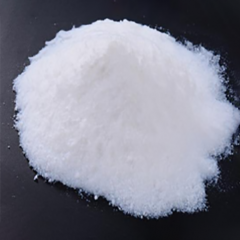
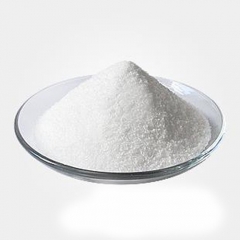
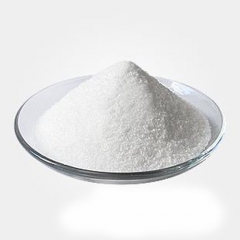
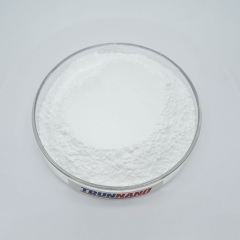
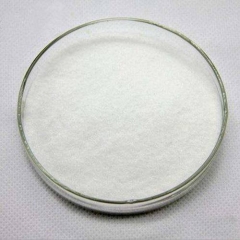
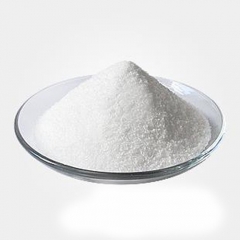
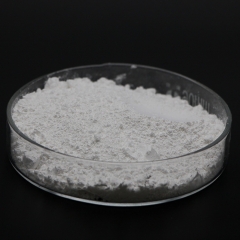
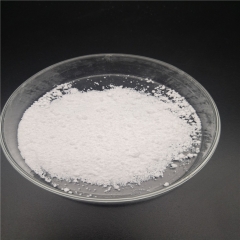
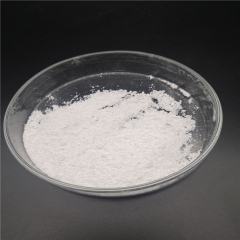
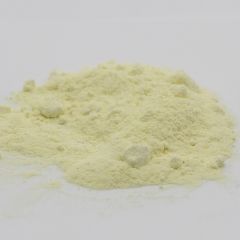
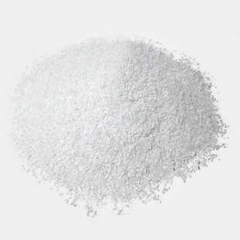
Oxide powder is the chemical compound solid powder contains one oxygen and another element, such as metal oxides, metal oxides are a chemical compound formed between metals, specifically cations such as Na, K, Li, etc., and oxygen. These compounds require at least of two elements, as compounds do, and always contain at least one oxygen, though there can be more than one. These formations tend to be solid, basic and are more dense than their nonmetallic oxide counterparts. Metal oxides typically contain an anion of oxygen in the oxidation state of −2. A great example is iron oxide, more commonly known as rust, it is the result of iron's prolonged exposure to oxygen rich environments. metal oxides can be easily obtained in nature or reacting metal with acid. In order to get high purity metal oxide powder, nano-metallization is necessary.

Oxide Materials Powder
Specifications of Oxide Powder
| Oxide Powder | Chemical Formula | Purity (%) | Particle Size (μm) | Appearance | Melting Point (°C) | Density (g/cm³) | Main Applications |
| Aluminum Oxide | Al₂O₃ | ≥ 99.5 | 0.5 - 50 | White powder | 2072 | 3.9 - 4.0 | Ceramics, abrasives, refractories |
| Iron Oxide | Fe₂O₃ | ≥ 98 | 0.1 - 10 | Reddish-brown powder | 1565 | 5.24 | Pigments, catalysts, magnetic materials |
| Zinc Oxide | ZnO | ≥ 99.7 | 0.1 - 5 | White powder | 1975 | 5.606 | Rubber additives, pigments, semiconductors |
| Titanium Dioxide | TiO₂ | ≥ 98 | 0.2 - 10 | White powder | 1843 | 4.23 | Paints, coatings, plastics, cosmetics |
| Silicon Dioxide | SiO₂ | ≥ 99.5 | 0.1 - 50 | White powder | 1713 | 2.65 | Glass, ceramics, fillers, electronics |
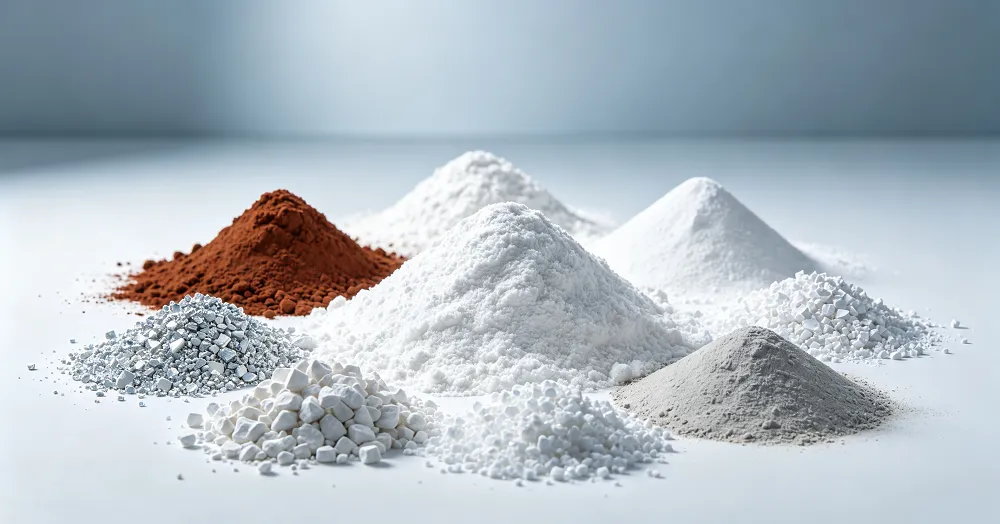
Oxide Materials
Key Characteristics and Advantages of Oxide Materials
Oxides possess a distinctive set of properties that make them the most versatile and widely adopted ceramic materials:
High melting points and thermal stability: Most oxide compounds exhibit melting points well above 1500°C, with Al₂O₃ (~2072°C), ZrO₂ (~2715°C), and MgO (~2852°C) excelling in ultra-high-temperature environments, making them ideal for refractories, furnace linings, and thermal barrier coatings.
Excellent chemical inertness and corrosion resistance: Oxide ceramics are highly resistant to oxidation, acid/base attack, and moisture degradation, ensuring long-term durability in harsh chemical processing, marine, and biomedical environments.
Outstanding hardness and mechanical strength: Many oxides, particularly Al₂O₃ and ZrO₂, rank among the hardest materials, providing superior wear resistance, abrasion resistance, and structural integrity for cutting tools, grinding media, and wear-resistant linings.
High electrical insulation (for most oxides): Oxide powders typically exhibit wide bandgaps and low electrical conductivity, making them excellent dielectrics for electronic substrates, insulating layers, and capacitor materials. Exceptions like indium tin oxide (ITO) and certain doped oxides offer transparent conductivity.
Good thermal insulation and low thermal expansion: Oxides like ZrO₂ and mullite possess low thermal conductivity and tailored expansion coefficients, enabling thermal shock resistance and energy-saving applications in kilns and engines.
Optical transparency or tailored opacity: Depending on purity and crystal structure, oxide materials can be transparent (e.g., SiO₂, Al₂O₃ in single-crystal form), translucent, or opaque, enabling applications in windows, lenses, optical fibers, and pigment industries.
Surface activity and catalytic potential: Many oxides, such as TiO₂, CeO₂, ZnO, and Al₂O₃, exhibit high surface areas and abundant active sites, serving as catalysts, catalyst supports, or photocatalysts for pollutant degradation, water splitting, and chemical synthesis.
Tunable electrical and semiconducting properties: While most oxides are insulators, certain ones like ZnO, TiO₂, and SnO₂ display semiconducting behavior, enabling applications in gas sensors, varistors, transparent electrodes, and photovoltaics when appropriately doped.
Biocompatibility and bioactivity: Oxide ceramics such as ZrO₂ and Al₂O₃ are widely used in biomedical implants and dental restorations due to their excellent biocompatibility, corrosion resistance, and mechanical reliability.
Versatile microstructures and morphologies: Oxide powders can be engineered into nanoparticles, nanorods, hollow spheres, porous structures, or dense microparticles, allowing performance optimization for drug delivery, filtration, energy storage, and composite reinforcement.
Abundance, low cost, and environmental friendliness: Most oxide raw materials are readily available from natural minerals (e.g., bauxite, silica sand, rutile) and are generally non-toxic, making them sustainable and economically viable for mass production.
These advantages collectively establish oxide powders as foundational functional materials that bridge traditional ceramics with cutting-edge technologies in electronics, energy, environment, and healthcare.
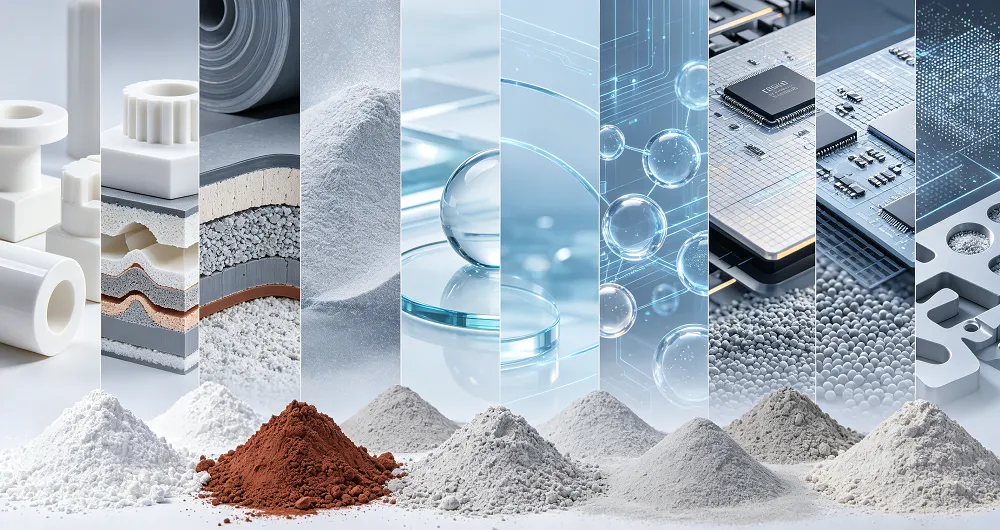
Applications of Oxide Materials
Applications of Oxide Powder
Oxide powder and metal oxides are widely used in our daily life. Quicklime is a commonly used desiccant and can also be used for disinfection; iron oxide (Fe2O3), commonly known as iron red, can be used as a red pigment; some of the catalysts used in industrial processes are also metal oxides. Metal oxides are an important class of catalysts and have been widely used in the field of catalysis. After nano-metallization, the catalytic performance is better. It is foreseeable that nano-metal oxides will be an important direction for catalyst development.
Company Profile
Luoyang Trunnano Tech Co., Ltd provide high purity ATO powder, ITO powder, Indium Oxide, Silicon dioxide, Tungsten Oxide, Manganese Dioxide, Nickel Oxide, Bismuth Oxide, Cuprous Oxide, Zinc Oxide, Zirconium Oxide, Titanium Oxide, Aluminum Oxide, Chrome Oxide.
Payment Term:
T/T, Western Union, Paypal, Credit Card etc.
Shipment Term:
By express, by air, by sea, as customers request.
Storage conditions:
1) Store in a dry environment at room temperature.
2) Avoid damp and high temperature.
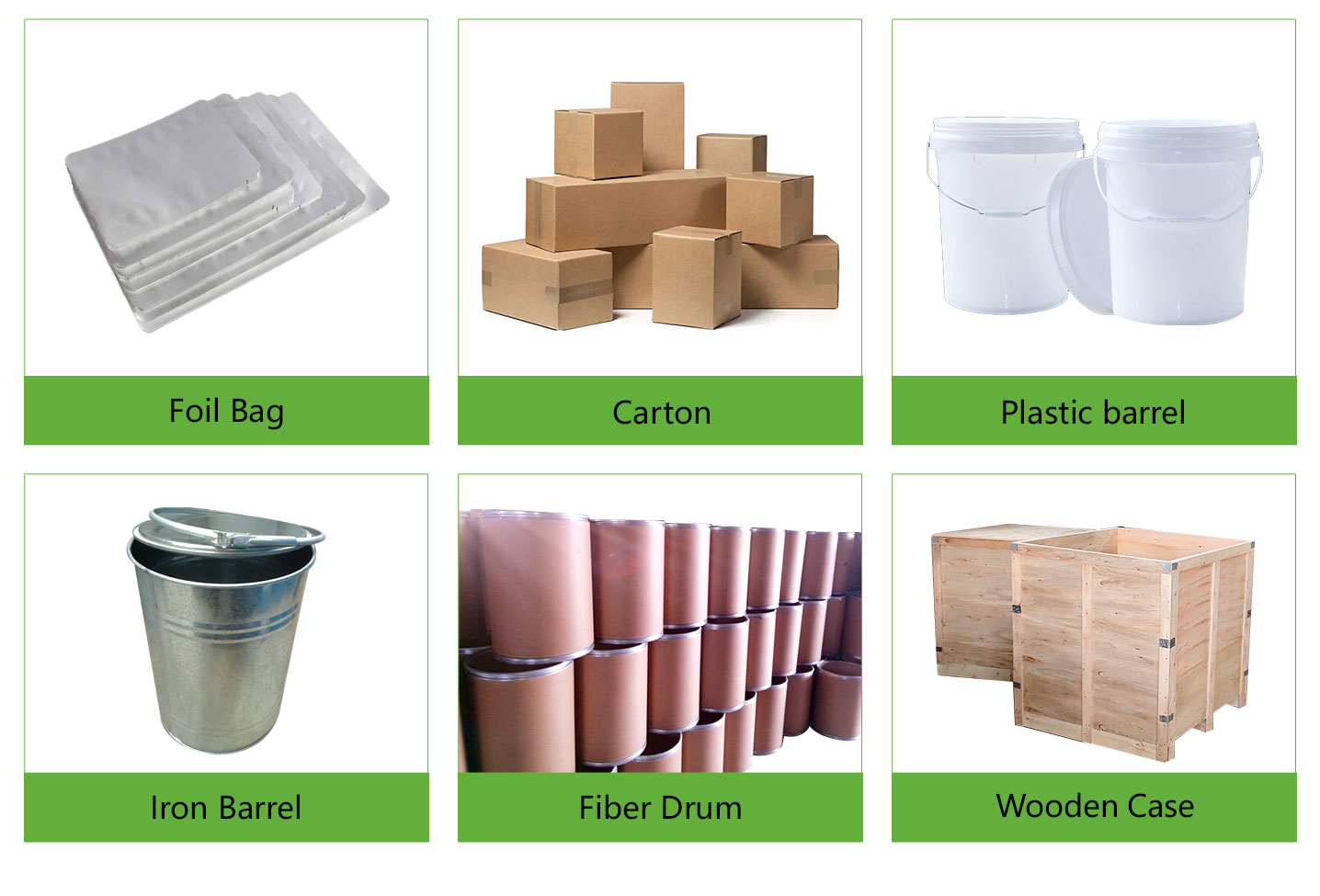
3) Use immediately after opening the inner packing bag.
FAQs
What are the main applications of oxide powders?
Oxide powders have a wide range of applications, including ceramics, electronics, paints, coatings, catalysts, and magnetic materials. They are also used in the production of abrasives, refractories, and as pigments in various industries.
How is the purity of oxide powders determined?
The purity of oxide powders is typically determined through chemical analysis methods such as X-ray fluorescence (XRF), inductively coupled plasma mass spectrometry (ICP-MS), or gravimetric analysis. These methods help identify impurities and ensure high-quality standards.
What particle size ranges are available for oxide powders?
Particle sizes can vary widely depending on the application. Commonly available particle sizes range from sub-micron levels (0.1 μm) to larger particles up to 50 μm. Smaller particles are often used for high-performance applications requiring fine detail or enhanced reactivity.
Can oxide powders be customized for specific industrial needs?
Yes, many manufacturers offer custom formulations of oxide powders to meet specific requirements such as particle size distribution, purity levels, and surface treatments. This customization ensures that the powders perform optimally in specialized applications.
What are the storage conditions for oxide powders?
Oxide powders should be stored in a cool, dry place away from direct sunlight and moisture. Some powders may require airtight containers to prevent contamination or degradation. Proper storage helps maintain the quality and performance of the powders over time.