
By Vincy | 30 September 2025 | 0 Comments
The Spherical Revolution: Unveiling the Science, Synthesis, and Potential of Aluminum Nitride
1. The Emergence of Spherical Aluminum Nitride
1.1 From Traditional Ceramics to Advanced Spherical Forms
1.1.1 Historical Context of Aluminum Nitride
Aluminum nitride (AlN) has long been recognized for its exceptional thermal conductivity and electrical insulation properties. Traditional forms, however, often exhibited irregular morphologies limiting their performance in precision applications. The development of spherical AlN represents a paradigm shift, enabling enhanced control over particle morphology and material behavior.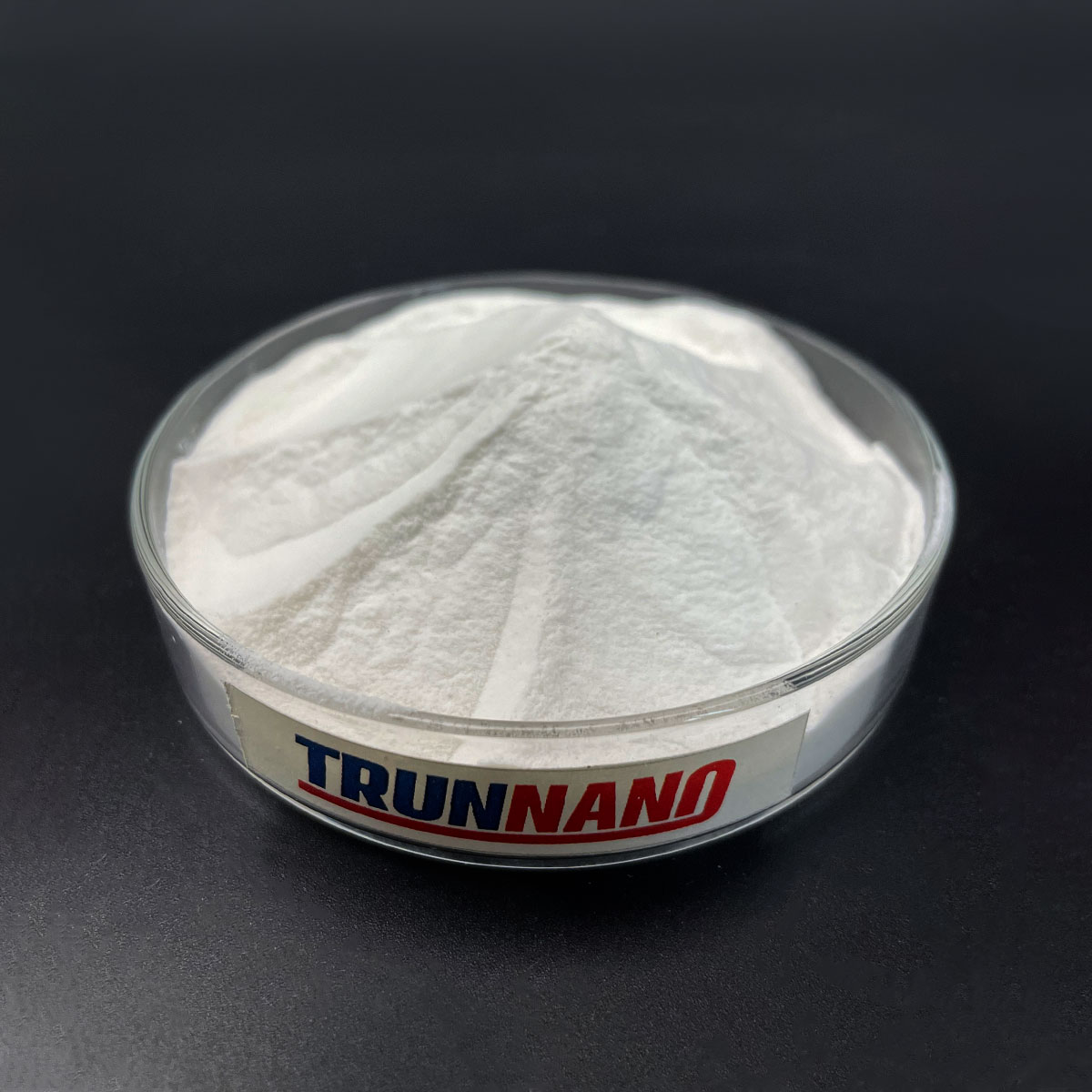
Spherical aluminum nitride
1.1.2 Why Spherical Morphology Matters
Spherical particles reduce packing defects and improve flowability in composite materials. Their uniform geometry minimizes stress concentrations and enhances thermal management in electronic devices. This morphological innovation addresses limitations in traditional powder metallurgy and ceramic processing.
2. Scientific Principles and Material Properties
2.1 Crystal Structure and Chemical Bonding
2.1.1 Hexagonal Wurtzite Architecture
AlN crystallizes in a hexagonal wurtzite structure, similar to zinc oxide and silicon carbide. This arrangement features strong covalent bonding between aluminum and nitrogen atoms, contributing to high mechanical strength and thermal stability. The symmetry of the wurtzite lattice facilitates efficient phonon transport, explaining AlN’s superior thermal conductivity.
2.1.2 Electronic Band Structure and Insulation
The wide bandgap (approximately 6 eV) of AlN ensures excellent electrical insulation. This property makes spherical AlN ideal for applications requiring simultaneous heat dissipation and electrical isolation, such as in power electronics and high-frequency devices.
2.2 Thermal, Mechanical, and Chemical Characteristics
2.2.1 Thermal Conductivity Mechanisms
The thermal conductivity of spherical AlN stems from its ordered atomic lattice and minimal phonon scattering. Unlike metals, where electrons dominate heat transfer, AlN relies on lattice vibrations (phonons). Spherical particles enhance this behavior by reducing interfacial thermal resistance in composites.
2.2.2 Mechanical Robustness and Wear Resistance
High hardness and compressive strength make spherical AlN suitable for abrasive applications. Their smooth surface reduces wear in moving components, extending service life in mechanical systems. Chemical inertness further ensures stability in corrosive environments.
3. Manufacturing Techniques for Spherical AlN
3.1 Bottom-Up Synthesis Methods
3.1.1 Chemical Vapor Deposition (CVD)
CVD processes enable precise control over particle size and morphology. Reacting aluminum-containing precursors with nitrogen sources at elevated temperatures produces spherical particles with narrow size distributions. This method offers high purity but requires specialized equipment and controlled atmospheres.
3.1.2 Sol-Gel and Spray Pyrolysis Routes
Sol-gel techniques involve hydrolyzing aluminum alkoxides to form gels, followed by thermal treatment to form spherical particles. Spray pyrolysis disperses precursor droplets into a heated chamber, where solvent evaporation and chemical reactions yield spherical morphologies. These methods balance scalability and particle uniformity.
3.2 Top-Down Approaches and Mechanical Processing
3.2.1 High-Energy Ball Milling with Shape Control
Ball milling transforms irregular AlN particles into spherical forms through mechanical deformation and fracture. Adding process control agents prevents cold welding and promotes spherical evolution. Optimized milling parameters yield particles with controlled size distributions.
3.2.2 Plasma Spraying and Flame Synthesis
Plasma-based methods melt AlN feedstock and accelerate droplets through inert gases, forming spherical particles upon solidification. Flame synthesis similarly exploits rapid cooling rates to produce spherical morphologies. These techniques enable continuous production but require careful control of cooling rates to prevent crystal defects.
4. Applications in Modern Technology
4.1 Electronics and Thermal Management
4.1.1 Heat Dissipation in Semiconductor Devices
Spherical AlN’s high thermal conductivity makes it ideal for thermal interface materials in microprocessors, LEDs, and power modules. Its electrical insulation prevents short circuits while efficiently transferring heat away from hotspots.
4.1.2 Substrate Materials for High-Frequency Circuits
In RF and microwave applications, spherical AlN substrates provide low dielectric loss and stable thermal expansion coefficients. This ensures signal integrity and mechanical reliability in demanding environments.
4.2 Aerospace and Advanced Composites
4.2.1 Lightweight Thermal Protection Systems
Aerospace applications leverage spherical AlN’s low density and high thermal stability. Composite materials reinforced with spherical AlN particles enhance heat shielding in re-entry vehicles and rocket nozzles.
4.2.2 Structural Reinforcement in Ceramic Matrices
Adding spherical AlN to ceramic matrices improves fracture toughness and thermal shock resistance. This synergy enables next-generation ceramics for jet engines, cutting tools, and armor systems.
4.3 Biomedical and Environmental Applications
4.3.1 Biocompatible Coatings and Implants
The chemical inertness and non-toxic nature of AlN make spherical particles suitable for medical implants and coatings. Their biocompatibility supports applications in orthopedics, dental ceramics, and drug delivery systems.
4.3.2 Catalysis and Environmental Remediation
Spherical AlN’s high surface area and catalytic potential enable applications in pollution control. Functionalized surfaces can adsorb heavy metals, degrade organic pollutants, or facilitate chemical reactions in industrial processes.
5. Future Prospects and Challenges
5.1 Research Frontiers and Innovation
5.1.1 Doping and Hybrid Composite Design
Introducing dopants like carbon or rare-earth elements tailors electrical and optical properties. Hybrid composites combining spherical AlN with polymers or metals open new avenues for multifunctional materials.
5.1.2 Scalable Production and Cost Reduction
Advances in continuous manufacturing and recycling technologies aim to reduce costs. Process optimization and automation could democratize access to spherical AlN for emerging markets.
5.2 Sustainability and Environmental Impact
5.2.1 Green Synthesis Routes and Recycling
Developing solvent-free and low-energy synthesis methods minimizes environmental footprints. Recycling AlN from waste streams addresses resource scarcity and waste management challenges.
5.2.2 Regulatory Frameworks and Safety Standards
Establishing guidelines for safe handling and disposal ensures occupational safety and environmental protection. Standardization efforts facilitate global adoption and market growth.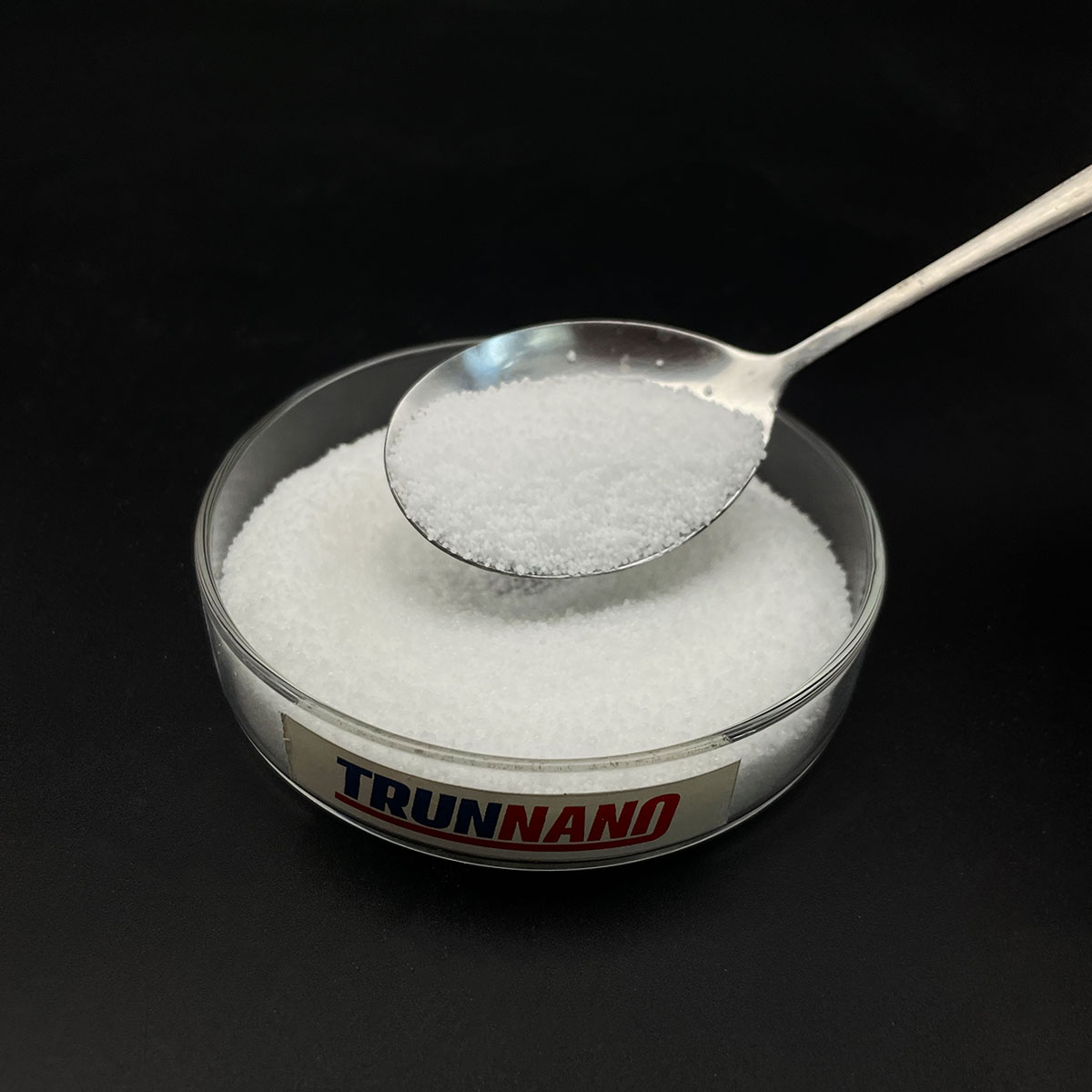
Spherical aluminum nitride
TRUNNANO is a globally recognized Aluminum nitride manufacturer and supplier of compounds with more than 12 years of expertise in the highest quality nanomaterials and other chemicals. The company develops a variety of powder materials and chemicals. Provide OEM service. If you need high quality Aluminum nitride, please feel free to contact us. You can click on the product to contact us.
Tags: Spherical aluminum nitride, Aluminum Nitride, al nitride
1.1 From Traditional Ceramics to Advanced Spherical Forms
1.1.1 Historical Context of Aluminum Nitride
Aluminum nitride (AlN) has long been recognized for its exceptional thermal conductivity and electrical insulation properties. Traditional forms, however, often exhibited irregular morphologies limiting their performance in precision applications. The development of spherical AlN represents a paradigm shift, enabling enhanced control over particle morphology and material behavior.
Spherical aluminum nitride
Spherical particles reduce packing defects and improve flowability in composite materials. Their uniform geometry minimizes stress concentrations and enhances thermal management in electronic devices. This morphological innovation addresses limitations in traditional powder metallurgy and ceramic processing.
2. Scientific Principles and Material Properties
2.1 Crystal Structure and Chemical Bonding
2.1.1 Hexagonal Wurtzite Architecture
AlN crystallizes in a hexagonal wurtzite structure, similar to zinc oxide and silicon carbide. This arrangement features strong covalent bonding between aluminum and nitrogen atoms, contributing to high mechanical strength and thermal stability. The symmetry of the wurtzite lattice facilitates efficient phonon transport, explaining AlN’s superior thermal conductivity.
2.1.2 Electronic Band Structure and Insulation
The wide bandgap (approximately 6 eV) of AlN ensures excellent electrical insulation. This property makes spherical AlN ideal for applications requiring simultaneous heat dissipation and electrical isolation, such as in power electronics and high-frequency devices.
2.2 Thermal, Mechanical, and Chemical Characteristics
2.2.1 Thermal Conductivity Mechanisms
The thermal conductivity of spherical AlN stems from its ordered atomic lattice and minimal phonon scattering. Unlike metals, where electrons dominate heat transfer, AlN relies on lattice vibrations (phonons). Spherical particles enhance this behavior by reducing interfacial thermal resistance in composites.
2.2.2 Mechanical Robustness and Wear Resistance
High hardness and compressive strength make spherical AlN suitable for abrasive applications. Their smooth surface reduces wear in moving components, extending service life in mechanical systems. Chemical inertness further ensures stability in corrosive environments.
3. Manufacturing Techniques for Spherical AlN
3.1 Bottom-Up Synthesis Methods
3.1.1 Chemical Vapor Deposition (CVD)
CVD processes enable precise control over particle size and morphology. Reacting aluminum-containing precursors with nitrogen sources at elevated temperatures produces spherical particles with narrow size distributions. This method offers high purity but requires specialized equipment and controlled atmospheres.
3.1.2 Sol-Gel and Spray Pyrolysis Routes
Sol-gel techniques involve hydrolyzing aluminum alkoxides to form gels, followed by thermal treatment to form spherical particles. Spray pyrolysis disperses precursor droplets into a heated chamber, where solvent evaporation and chemical reactions yield spherical morphologies. These methods balance scalability and particle uniformity.
3.2 Top-Down Approaches and Mechanical Processing
3.2.1 High-Energy Ball Milling with Shape Control
Ball milling transforms irregular AlN particles into spherical forms through mechanical deformation and fracture. Adding process control agents prevents cold welding and promotes spherical evolution. Optimized milling parameters yield particles with controlled size distributions.
3.2.2 Plasma Spraying and Flame Synthesis
Plasma-based methods melt AlN feedstock and accelerate droplets through inert gases, forming spherical particles upon solidification. Flame synthesis similarly exploits rapid cooling rates to produce spherical morphologies. These techniques enable continuous production but require careful control of cooling rates to prevent crystal defects.
4. Applications in Modern Technology
4.1 Electronics and Thermal Management
4.1.1 Heat Dissipation in Semiconductor Devices
Spherical AlN’s high thermal conductivity makes it ideal for thermal interface materials in microprocessors, LEDs, and power modules. Its electrical insulation prevents short circuits while efficiently transferring heat away from hotspots.
4.1.2 Substrate Materials for High-Frequency Circuits
In RF and microwave applications, spherical AlN substrates provide low dielectric loss and stable thermal expansion coefficients. This ensures signal integrity and mechanical reliability in demanding environments.
4.2 Aerospace and Advanced Composites
4.2.1 Lightweight Thermal Protection Systems
Aerospace applications leverage spherical AlN’s low density and high thermal stability. Composite materials reinforced with spherical AlN particles enhance heat shielding in re-entry vehicles and rocket nozzles.
4.2.2 Structural Reinforcement in Ceramic Matrices
Adding spherical AlN to ceramic matrices improves fracture toughness and thermal shock resistance. This synergy enables next-generation ceramics for jet engines, cutting tools, and armor systems.
4.3 Biomedical and Environmental Applications
4.3.1 Biocompatible Coatings and Implants
The chemical inertness and non-toxic nature of AlN make spherical particles suitable for medical implants and coatings. Their biocompatibility supports applications in orthopedics, dental ceramics, and drug delivery systems.
4.3.2 Catalysis and Environmental Remediation
Spherical AlN’s high surface area and catalytic potential enable applications in pollution control. Functionalized surfaces can adsorb heavy metals, degrade organic pollutants, or facilitate chemical reactions in industrial processes.
5. Future Prospects and Challenges
5.1 Research Frontiers and Innovation
5.1.1 Doping and Hybrid Composite Design
Introducing dopants like carbon or rare-earth elements tailors electrical and optical properties. Hybrid composites combining spherical AlN with polymers or metals open new avenues for multifunctional materials.
5.1.2 Scalable Production and Cost Reduction
Advances in continuous manufacturing and recycling technologies aim to reduce costs. Process optimization and automation could democratize access to spherical AlN for emerging markets.
5.2 Sustainability and Environmental Impact
5.2.1 Green Synthesis Routes and Recycling
Developing solvent-free and low-energy synthesis methods minimizes environmental footprints. Recycling AlN from waste streams addresses resource scarcity and waste management challenges.
5.2.2 Regulatory Frameworks and Safety Standards
Establishing guidelines for safe handling and disposal ensures occupational safety and environmental protection. Standardization efforts facilitate global adoption and market growth.
Spherical aluminum nitride
6. Conclusion: Toward a Spherical Future
The evolution of spherical aluminum nitride exemplifies how morphological innovation can unlock new material potentials. From thermal management in electronics to aerospace composites and biomedical applications, spherical AlN bridges performance gaps in traditional materials. Future research must balance scalability, cost, and sustainability to fully realize its transformative potential. As industries demand higher performance with lower environmental impact, spherical AlN stands poised to revolutionize multiple sectors—proving that sometimes, the best solutions are perfectly round.7. Supplier
TRUNNANO is a globally recognized Aluminum nitride manufacturer and supplier of compounds with more than 12 years of expertise in the highest quality nanomaterials and other chemicals. The company develops a variety of powder materials and chemicals. Provide OEM service. If you need high quality Aluminum nitride, please feel free to contact us. You can click on the product to contact us.
Tags: Spherical aluminum nitride, Aluminum Nitride, al nitride
Leave a Reply
Your email address will not be published.Required fields are marked. *