Introduction of Silicon Carbide Crucibles
Silicon carbide crucibles are containers made of high-purity silicon carbide powder that is formed into a blank by a specific molding process (e.g., pressing, slurrying, etc.) and then subjected to a high-temperature sintering process. They are able to withstand extremely high temperatures and exhibit excellent mechanical strength and corrosion resistance at high temperatures. This type of crucible is usually used where high temperature resistance, wear resistance and good chemical stability are required.

Silicon Carbide Crucibles
Features of Silicon Carbide Crucibles
Excellent high temperature resistance: Silicon carbide crucibles can withstand temperatures of up to 1600°C or even higher, depending on their composition and manufacturing process.
Excellent thermal conductivity: Silicon carbide has better thermal conductivity than other types of ceramic materials, which helps to improve heating efficiency.
High strength and hardness: Silicon carbide is one of the hardest materials in nature after diamond, which gives the crucible excellent abrasion and impact resistance.
Chemical stability: excellent resistance to most acid and alkali solutions, and chemically inert at high temperatures.
Low density: Compared to traditional metal crucibles, silicon carbide crucibles are lighter and easier to handle.
High dimensional accuracy: due to the precision machining technology adopted in its manufacturing process, it can obtain a higher accuracy of external dimensions.
Specifications of Silicon Carbide Crucible
|
Specification |
Description |
|
Material |
High-purity silicon carbide (SiC) |
|
Crystal Structure |
Polycrystalline (common types: 4H-SiC, 6H-SiC) |
|
Density |
~3.2 g/cm³ |
|
Maximum Operating Temperature |
Up to 2200°C (depending on grade and application) |
|
Thermal Conductivity |
90-150 W/m·K at room temperature |
|
Coefficient of Thermal Expansion |
4.7 x 10⁻⁶ /°C (room temperature to 1000°C) |
|
Young’s Modulus |
400-450 GPa |
|
Hardness (Vickers) |
~25 GPa |
|
Flexural Strength |
400-700 MPa at room temperature |
|
Compressive Strength |
3000-4000 MPa |
|
Oxidation Resistance |
Excellent up to 2000°C in air; minimal oxidation at higher temperatures |
|
Chemical Stability |
Resistant to most acids, bases, and molten metals |
|
Thermal Shock Resistance |
Excellent, capable of withstanding rapid temperature changes |
|
Surface Finish |
Smooth, can be polished to mirror finish if required |
|
Typical Dimensions |
Customizable; common sizes range from small laboratory crucibles to large industrial crucibles (e.g., 50 mm to 500 mm diameter) |
|
Weight |
Varies based on size and thickness; lighter than many metal alternatives |
|
Purity |
>98% SiC, with controlled impurities for specific applications |
|
Application |
Semiconductor manufacturing, metallurgy, laboratory research, glass and ceramic industries |
|
Manufacturing Process |
Pressureless sintering, reaction bonding, hot pressing, or CVD (Chemical Vapor Deposition) |
|
Color |
Typically gray or black, depending on the manufacturing process |
|
Standard Shapes |
Cylindrical, conical, boat-shaped, custom designs available |
|
Tolerance |
±0.1 mm to ±0.5 mm (depending on size and complexity) |
|
Service Life |
Long-lasting, with proper handling and maintenance |
Applications of Silicon Carbide Crucible
Metallurgical industry: It is used for melting non-ferrous metals (such as aluminum, copper, silver, etc.), and precious metals (such as gold, platinum, etc.). It can also be used as a protective part or tool inside the melting furnace.
Glass manufacturing: for the melting process of glass raw materials, especially in continuous and special glass production.
Chemical industry: used as a reaction vessel, especially in chemical reactions involving strong acids, bases or other corrosive substances.
Experimental research: In laboratory environments, silicon carbide crucibles are used for high-temperature testing, sample handling and analytical testing.
Semiconductor Industry: Used as a key component in single crystal growth equipment, for example as a container for molten silicon during crystal drawing.
Environmental monitoring and materials science: used when performing heavy metal digestion and materials synthesis of soil, water samples and other complex matrices.
Packing and Storage
The product is in powder form and should be stored in a cool, ventilated place. Avoid inhalation when using it and keep away from open flames, heat sources, etc.
Company Profile
Luoyang Tongrun Nano Technology Co. Ltd. (TRUNNANO) is a trusted global chemical material supplier & manufacturer with over 12-year-experience in providing super high-quality chemicals and nanomaterials, including boride powder, nitride powder, graphite powder, sulfide powder, 3D printing powder, etc.
The company has a professional technical department and Quality Supervision Department, a well-equipped laboratory, and equipped with advanced testing equipment and after-sales customer service center.
If you are looking for high-quality Silicon Carbide Crucibles please feel free to contact us or click on the needed products to send an inquiry.

Company Profile
Payment Term
T/T, Western Union, Paypal, Credit Card etc.
Shipment Term
By air, by sea, by express, as customers request.
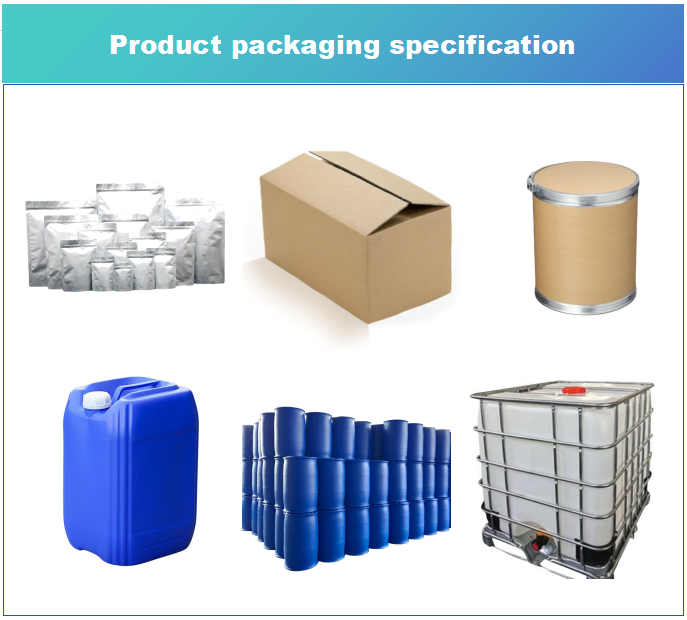
Packaging
FAQs of Silicon Carbide Crucible
Question 1: What temperature ranges are silicon carbide crucibles suitable for?
Answer: Silicon carbide crucibles are capable of withstanding extremely high temperatures, typically from room temperature to approximately 1600°C (2912°F) and beyond. However, in practice, the appropriate temperature range should be selected based on the specific application and operating conditions. For example, in continuous high-temperature operation, it is recommended to avoid prolonged exposure to extreme temperatures in order to prolong crucible life.
Question 2: Why do silicon carbide crucibles perform well in high-temperature environments?
Answer: Silicon carbide crucibles perform well in high-temperature environments mainly because of their excellent thermal stability and chemical inertness. It not only has a high melting point, but also maintains good mechanical strength, wear resistance and corrosion resistance at high temperatures. In addition, the low coefficient of thermal expansion of the silicon carbide material makes the crucible less prone to breakage or deformation during heating and cooling.
Question 3: Are silicon carbide crucibles resistant to all types of chemicals?
Answer: Although silicon carbide crucibles are known for their excellent chemical stability, they are not completely immune to all chemicals. For the most part, silicon carbide crucibles are resistant to acid and alkali solutions as well as many other corrosive media. However, under certain extreme conditions, such as prolonged contact with strong bases at high temperatures, erosion may result. Therefore, chemical compatibility for a particular application environment should be confirmed before use.
Question 4: How to properly maintain and care for silicon carbide crucibles to ensure their long life?
Answer: Proper care and maintenance of silicon carbide crucibles includes:
Avoid sudden temperature changes: Prevent thermal shock caused by rapid heating or cooling, which can lead to cracks or other damage.
Cleaning and drying: Wash thoroughly and ensure complete drying after each use to prevent hardening of residual materials or absorption of moisture.
Proper storage: Store in a dry, dust-free place away from chemicals that may cause contamination or corrosion.
Periodic Inspection: Inspect the crucible periodically for cracks, wear, or other physical damage and replace defective parts promptly.
Follow manufacturer's guidelines: Use the crucible in strict accordance with the operating instructions and recommendations provided by the manufacturer to ensure safety and optimum performance.
Question 5: What are the advantages of silicon carbide crucibles over crucibles made of other materials?
Answer: Silicon carbide crucibles have the following key advantages over crucibles made of other materials:
Higher temperature tolerance: can handle higher temperatures than many other materials.
Better thermal conductivity: helps to increase heating efficiency and reduce energy consumption.
Greater mechanical strength: maintains structural integrity even in high temperature environments.
Excellent wear resistance: reduces wear and tear due to friction.
Good chemical stability: remains stable in a variety of chemical environments, reducing the risk of reaction with contents.