Product Introduction of Aluminum Oxide Ceramic Balls
Alumina ceramic balls are a type of ceramic product made from high-purity alumina (Al2O3) powder through a high-temperature sintering process. This material has excellent mechanical properties, chemical stability and thermal stability, so it has a wide range of applications in many industrial fields.

Alumina Ceramic Balls
Specification of alumina ceramic ball
|
Parameter |
Specifications/Description |
|
Material Composition |
High-purity alumina (Al₂O₃) ≥ 95% |
|
Density |
Approximately 3.6-3.8 g/cm³ |
|
Mohs Hardness |
Approximately 9 |
|
Vickers Hardness (HV10) |
About 1700-2000 MPa |
|
Compressive Strength |
> 2000 MPa |
|
Flexural Strength |
> 350 MPa |
|
Fracture Toughness (KIC) |
Approx. 4.0 MPa·m^(1/2) |
|
Coefficient of Thermal Expansion |
Approx. 7.5 × 10⁻⁶ /°C |
|
Operating Temperature Range |
-50°C to +1700°C |
|
Corrosion Resistance |
Excellent resistance to most acids and alkalis |
|
Electrical Insulation Resistance |
> 10^14 Ω·cm |
|
Size Range |
Diameter from 0.5 mm to 100 mm |
|
Dimensional Accuracy |
±0.1 mm or better |
|
Surface Finish |
Capable of achieving mirror-like polish |
|
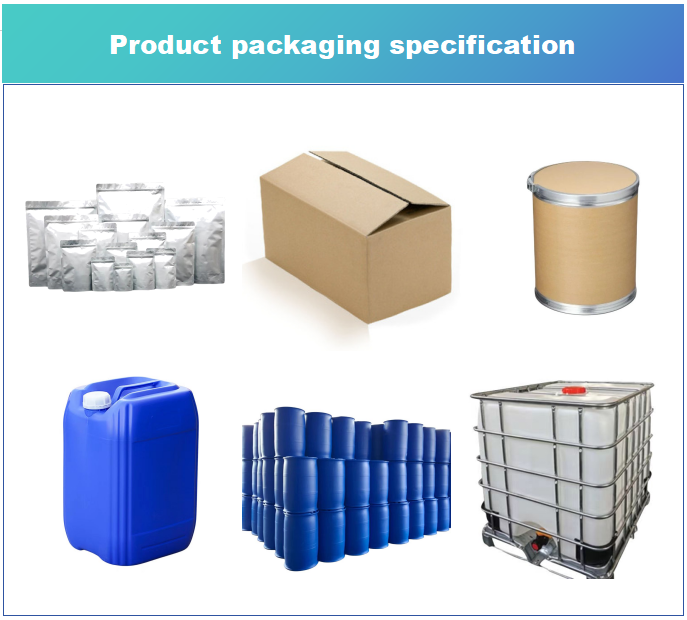
Packaging Method |
Customized packaging according to customer requirements |
Characteristics of alumina porcelain ball
1. High hardness and abrasion resistance: alumina ceramic ball has high hardness; its hardness is second only to diamond, so it has excellent abrasion resistance and is suitable for a variety of wear and tear environments.
2. Good chemical stability: alumina ceramic balls have good stability to most acids, alkalis, salts and other chemicals, not easy to be corrode.
3. Low coefficient of thermal expansion: alumina ceramic ball the temperature change size change is small, which means it, in a high-temperature environment, can also maintain stable working performance.
4. High insulation: alumina ceramic ball has good insulation properties, suitable for the electrical industry.
Application areas of alumina ceramic ball
1. Abrasive and grinding media: alumina ceramic balls are often used as abrasive and grinding media because of their high hardness and abrasion resistance, used in a variety of grinding, polishing and milling processes.
2. Fillers and catalyst carriers: Alumina balls can be used as fillers and catalyst carriers due to their good chemical stability and porosity, and are widely used in chemical, petroleum, environmental protection and other fields.
3. Fluid conveying and mixing: alumina ceramic balls are also commonly used in fluid conveying and mixing equipment, such as ball mills, mixers, etc., in order to improve the fluid mixing effect and conveying efficiency.
4. Refractory materials: alumina ceramic ball, due to their high thermal stability and low coefficient of thermal expansion, is often used as refractory materials for high-temperature furnaces kilns and other equipment.
Preparation process of alumina ceramic ball
The Alumina ball preparation process mainly includes raw material preparation, molding, sintering and other steps. Raw materials are mainly alumina powder, adding the right amount of additives and molding agents, after mixing, pressing and other processes made of billet, and then high-temperature sintering, ultimately get the alumina ball. The preparation process requires strict control of the process parameters in order to achieve high visibility of the quality and performance of the product.

Company Profile
Luoyang Tongrun Nano Technology Co. Ltd. (TRUNNANO) is a trusted global chemical material supplier & manufacturer with over 12-year-experience in providing super high-quality chemicals and nanomaterials, including boride powder, nitride powder, graphite powder, ceramic products, 3D printing powder, etc.
The company has a professional technical department and Quality Supervision Department, a well-equipped laboratory, and equipped with advanced testing equipment and after-sales customer service center.
If you are looking for high-quality alumina ceramic ball, please feel free to contact us or click on the needed products to send an inquiry.
Payment Term
T/T, Western Union, Paypal, Credit Card etc.
Shipment Term
By air, by sea, by express, as customers request.
FAQs of alumina ceramic ball
How hard are alumina ceramic balls?
Alumina ceramic balls have a very high hardness, which makes them particularly suitable for use as grinding media and in other applications where anti-wear properties are required. Their hardness is second only to diamond and some other super-hard materials.
Are alumina ceramic balls prone to breakage?
Although alumina ceramic balls are very hard, they are also brittle, which means that they do have the potential to break if subjected to impact forces or improper use. Proper selection of size and operating conditions can reduce this occurrence.
Can alumina ceramic balls withstand high temperatures?
Yes, alumina ceramic balls can withstand fairly high temperatures, depending on the impurities contained and other factors, and can generally remain stable between 800°C and 1700°C, depending on the specific formulation and application.
Are alumina ceramic balls toxic?
Aluminum oxide itself is non-toxic, but any ceramic product may contain trace amounts of other elements or compounds during the manufacturing process. For specific applications, especially food contact or medical devices, make sure you choose a product that meets safety standards.
What are the price factors for alumina ceramic balls?
The price of alumina ceramic balls is affected by a variety of factors, including, but not limited to, the cost of raw materials, complexity of the manufacturing process, dimensional accuracy requirements, batch size, and additional features such as surface treatments. Prices offered by different manufacturers can vary.