The oxygen sensor heater is a key component of the automotive emission control system, mainly used to heat the oxygen sensor, so that it quickly reaches the optimal operating temperature (about 300-850 ℃), to improve the detection accuracy. The core structure of the heater includes a heating resistor wire, an insulating layer, and a protective shell. It is powered and controlled by the ECU (Electronic Control Unit). The heater is available in two main types: single-voltage, which is designed for conventional fuel vehicles, and wide-area, which is suitable for hybrid and turbocharged models and supports a broader range of concentration detection. This component can shorten the response time of the sensor and reduce the emission of harmful substances during cold start, which plays an important role in optimizing fuel efficiency and reducing pollution, and is an important guarantee for modern automobiles to achieve environmental protection standards.
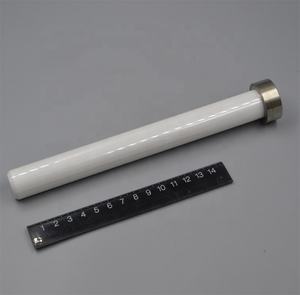
Oxygen Sensor Heater
In terms of heating efficiency, the Oxygen sensor heater can generate heat quickly through the internal heating resistor wire, enabling the oxygen sensor to rise from a low temperature to the optimal working temperature range of 300 - 850°C in a short period, dramatically shortening the sensor's preheating time and ensuring that the vehicle enters an accurate air-fuel ratio monitoring state as soon as possible after startup. Precise temperature control is another highlight, through the cooperative work with the ECU (Electronic Control Unit), the heating power can be adjusted in real time according to the engine conditions and changes in the ambient temperature, to realize the precise control of the sensor temperature, to avoid the temperature is too high or too low to affect the detection accuracy, to ensure the accuracy of the air-fuel ratio calculation.
The structural design of the oxygen sensor heater is compact and integrated. It combines a heating resistor wire with high-insulation ceramic or glass coatings and a corrosion-resistant metal protective shell. The heater also offers adaptability, providing various solutions for different vehicle models and engine types. Whether it is a single-voltage heater for traditional fuel vehicles or a wide-range heater for hybrid and turbocharged models, it meets the diverse needs for oxygen concentration detection accuracy and range.
Moreover, the oxygen sensor heater helps reduce incomplete fuel combustion during cold starts by quickly raising the sensor's working temperature. This minimizes the emission of harmful substances such as carbon monoxide and nitrogen oxides, while also maintaining the engine in an efficient combustion state. This contributes to energy savings and environmental protection, helping vehicles comply with increasingly stringent emission regulations.
|
In the field of passenger cars, the Oxygen sensor heater is mainly assembled in gasoline engine and diesel engine vehicles, covering a wide range of cars, SUVs, MPVs and other models. Whether it is a traditional fuel vehicle or a hybrid vehicle, the heater can shorten the response time of the sensor during cold start by quickly heating the oxygen sensor to ensure that the vehicle quickly enters the normal air-fuel ratio monitoring state after startup. This reduces the emission of unburned fuel and lowers the production of pollutants like carbon monoxide and hydrocarbons, while also optimizing fuel economy and preventing increased fuel consumption due to sensor warm-up delays.
In the field of commercial vehicles, such as trucks, buses and other large vehicles, the application of oxygen sensor heating parts is more critical. Due to the large power and high workload of commercial vehicle engines, emission control requirements are strict. By stabilizing the working temperature of the oxygen sensor, the heating element helps the engine to precisely adjust the fuel injection volume in real time, ensuring that the ideal combustion efficiency can still be maintained under heavy loads, climbing and other complex conditions, and reducing the emission of pollutants such as nitrogen oxides and meeting the requirements of the National Sixth Five-Year Plan and other higher emission standards.
Additionally, oxygen sensor heaters are used in industrial applications like ships and generator sets to monitor combustion status. By quickly adapting to temperature changes under different loads, these heaters ensure stable equipment operation and reduce energy waste and environmental pollution caused by incomplete combustion. As global environmental regulations continue to tighten, the application scope of oxygen sensor heaters is expanding into non-road mobile machinery, aerospace, and other fields, becoming a key technical support for low-carbon and clean power systems.
Company Profile
Luoyang Tongrun Nano Technology Co. Ltd. (TRUNNANO) is a trusted global chemical material supplier & manufacturer with over 12-year-experience in providing super high-quality chemicals and nanomaterials, including boride powder, nitride powder, graphite powder, ceramic products, 3D printing powder, etc.
The company has a professional technical department and Quality Supervision Department, a well-equipped laboratory, and equipped with advanced testing equipment and after-sales customer service center.
If you are looking for high-quality Ceramic Products please feel free to contact us or click on the needed products to send an inquiry.

Applications of Ceramic Products

Process of Ceramic Products
Payment Term
T/T, Western Union, Paypal, Credit Card etc.
Shipment Term
By air, by sea, by express, as customers request.

Q1: Why do oxygen sensors need heated parts?
A1: The core components of an oxygen sensor, such as zirconium oxide or titanium oxide, require high temperatures (300-850°C) to detect oxygen concentration in exhaust gases accurately. The heater warms up the sensor quickly, allowing it to enter the working state promptly after a cold start and ensuring accurate closed-loop control of the air-fuel ratio.
Q2: How does the heater work with the ECU?
A2: The ECU adjusts the heater's power dynamically using a PWM signal based on engine operating conditions (such as starting, idling, accelerating) and ambient temperature. For example, it provides full power during a cold start and reduces power to maintain temperature once the vehicle is running normally.
Q3: What is the main structure of the heater?
A3: The heater consists of a heating resistor wire (typically Nichrome or platinum), an insulating layer (ceramic or glass coating), and a metal protective housing. The resistor wire generates heat, the insulation prevents short circuits, and the housing provides resistance to high temperatures and corrosion.
Q4: What is the difference between wide-area and single-voltage heating elements?
A4: Single-voltage heaters (e.g., 2-wire, 4-wire) are designed for conventional fuel vehicles and can only determine the mixture richness. Wide-area heaters (e.g., 5-wire, 6-wire) can accurately measure the air-fuel ratio and support a broader concentration range, making them suitable for hybrid and turbocharged vehicles. They also offer faster response times (e.g., the LSU4.9 model has an ignition time of less than 15 seconds).
Q5: Are the heating elements universal for different models?
A5: No, they are not universal. The interface, wiring harness, and heating parameters must be matched to the specific vehicle model. For example, the oxygen sensor plugs and heating resistors for the Honda Accord and Volkswagen Jetta are different, so the appropriate original or compatible model must be selected when replacing them.