Overview of High-Temperature Ceramics
High-temperature ceramics refer to specialized ceramics capable of stable operation at elevated temperatures (typically above 1000°C). They primarily fall into categories such as oxide ceramics (e.g., alumina), nitride ceramics (e.g., silicon nitride), carbide ceramics (e.g., silicon carbide), and others. These ceramics possess high-temperature resistance, corrosion resistance, high strength, low thermal conductivity, and other attributes. They are widely applied in fields like aerospace engines, metallurgical furnaces, and new energy equipment. As technology advances, optimizing performance and achieving multifunctionality under extreme conditions have become focal points of research. This progress drives innovation in the high-temperature industry.

High-Temperature Ceramics
Characteristics of High-Temperature Ceramics
High-temperature ceramics demonstrate exceptional high-temperature resistance, maintaining stable physical and chemical properties at temperatures exceeding 1000°C. For instance, tantalum carbide ceramics can withstand temperatures above 3800°C, far surpassing the heat resistance limits of metal materials. This makes them critical materials for high-temperature settings such as aerospace engine combustion chambers.
At high temperatures, ceramic materials retain high strength. For example, silicon nitride ceramics exhibit a flexural strength of up to 800 MPa at 1200°C. By employing nanocomposite techniques and fiber toughening, these ceramics also exhibit excellent thermal shock resistance. This capability effectively mitigates cracks caused by sudden temperature changes. Zirconia ceramics, for example, can tolerate thermal shock temperature differences of up to 800°C, making them suitable for industrial equipment that undergoes frequent start-stop cycles. High-temperature ceramics also display remarkable corrosion resistance and chemical stability. They exhibit strong resistance to erosion from acids, alkalis, molten metals, and high-temperature gases. Silicon carbide ceramics, for instance, have a minimal corrosion rate of merely 0.01 mm/year in a hydrofluoric acid and nitric acid mixture. They are commonly used as linings in chemical reactors and other highly corrosive environments.
Moreover, most high-temperature ceramics exhibit low thermal conductivity. For example, alumina ceramics have a thermal conductivity only one-tenth that of aluminum metal. They also provide excellent electrical insulation, enabling their use as high-temperature insulating materials and insulating substrates for electronic devices. Some high-temperature ceramics possess multifunctional properties. Aluminum nitride ceramics, with high thermal conductivity, serve as ideal materials for efficient heat dissipation substrates. Molybdenum disilicide ceramics, with metal-semiconductor transition characteristics, are suitable for high-temperature heating elements. These attributes enable high-temperature ceramics to play a significant role in aerospace, energy, environmental protection, and other fields, driving the development of the high-temperature industry.
Specifications Table of High-Temperature Ceramics
|
Applications of High-Temperature Ceramics
In the field of aerospace, high temperature ceramics used in the manufacture of engine combustion chambers, turbine blades and other core components, such as nickel-based high temperature alloy coatings and ceramic matrix composites (CMC) combination, can make the engine operating temperature increase of more than 300 ℃, significantly improve fuel efficiency and thrust-to-weight ratio; spacecraft thermal protection system, silica fiber ceramic felt can withstand re-entry into the atmosphere when the high temperature of more than 2000 ℃, to protect the safety of the cabin. In the energy field, high-temperature ceramics are used in fuel and fuel oil.
In the energy sector, high-temperature ceramics serve as electrolyte membranes and electrode support materials in fuel cells. Yttria-stabilized zirconia ceramics, for instance, achieve high-efficiency ionic conduction in solid oxide fuel cells (SOFC). In supercritical thermal power equipment, silicon nitride ceramic bearings can operate in steam environments at 600°C, reducing mechanical wear.
In the metallurgical industry, silicon carbide ceramic crucibles and furnace tubes are used for high-temperature melting of rare metals.Their resistance to molten metal erosion surpasses that of traditional graphite materials. High-temperature ceramics are also employed in wear-resistant liners and nozzles for mineral crushing and blast furnace coal injection systems, with lifespans 5 to 8 times longer than metal components.
In the electronics and information field, aluminum nitride ceramic substrates, known for their high thermal conductivity (230 W/m·K) and insulation properties, are key materials for heat dissipation in 5G base station power devices and highly integrated chips. Zinc oxide ceramic varistors, used in power systems for overvoltage protection, can withstand instantaneous high-voltage impacts of thousands of volts.
In the environmental protection sector, cordierite ceramic honeycomb carriers serve as supports for automotive exhaust purification catalysts. They can operate stably at 800°C, promoting the conversion of nitrogen oxides and other pollutants. In the medical field, zirconia ceramics, with their biocompatibility and high strength, are used to manufacture artificial joints and dental implants, offering a wear-resistant lifespan of over 20 years.
Company Profile
Luoyang Tongrun Nano Technology Co. Ltd. (TRUNNANO) is a trusted global chemical material supplier & manufacturer with over 12-year-experience in providing super high-quality chemicals and nanomaterials, including boride powder, nitride powder, graphite powder, ceramic products, 3D printing powder, etc.
The company has a professional technical department and Quality Supervision Department, a well-equipped laboratory, and equipped with advanced testing equipment and after-sales customer service center.
If you are looking for high-quality Ceramic Products please feel free to contact us or click on the needed products to send an inquiry.
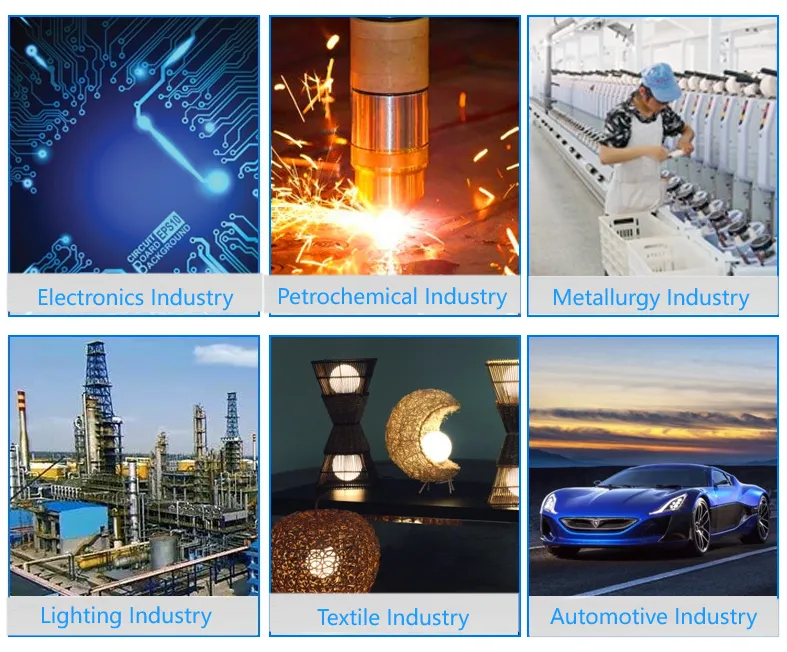
Applications of Ceramic Products
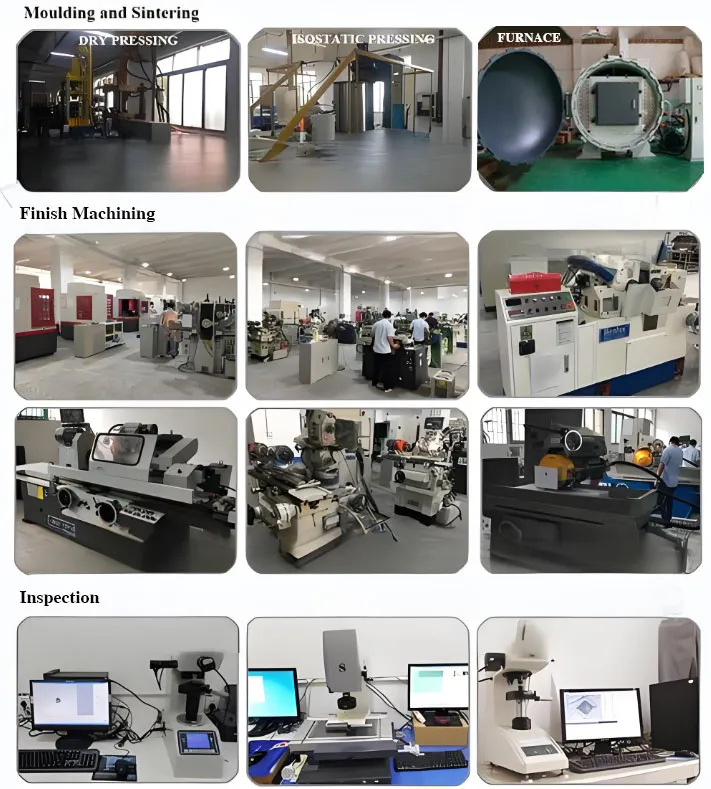
Process of Ceramic Products
Payment Term
T/T, Western Union, Paypal, Credit Card etc.
Shipment Term
By air, by sea, by express, as customers request.
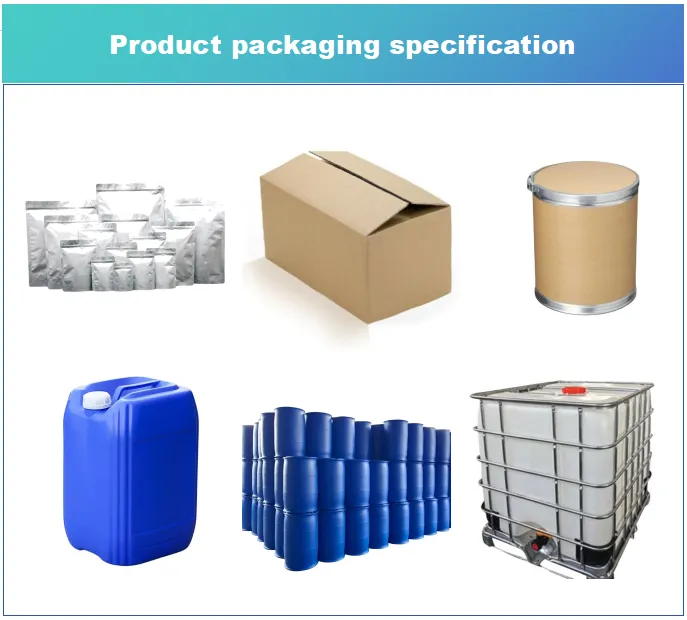
5 FAQs About High-Temperature Ceramics
Q1: What distinguishes high-temperature ceramics from traditional ceramics?
Traditional ceramics are made from materials like clay and feldspar, with firing temperatures typically below 1200°C. They have lower heat resistance and mechanical strength. In contrast, high-temperature ceramics are produced from high-melting-point materials such as alumina and zirconia, with firing temperatures generally above 1300°C. They exhibit superior heat resistance (e.g., tantalum carbide can withstand 3800°C), chemical stability, and mechanical strength, making them suitable for extreme environments.
Q2: What are the methods for preparing high-temperature ceramics?
Common preparation methods include hot pressing (e.g., for silicon carbide ceramics), sol-gel (for nanoceramics), and 3D printing (for complex structures). Emerging technologies, such as ultra-high-temperature rapid synthesis, enable sintering within tens of seconds, preventing grain growth and enhancing material density.
Q3: How can the brittleness of high-temperature ceramics be addressed?
Adding a secondary phase (e.g., carbon fibers, silicon carbide whiskers) or employing nanocomposite technology can significantly reduce brittleness. For example, carbon fiber-reinforced ultra-high-temperature ceramics can increase fracture toughness from 3.1 MPa·m¹/² to 11.4 MPa·m¹/² while reducing weight. Additionally, gradient structure design and surface coating technology can enhance thermal shock resistance.
Q4: What environmental applications do high-temperature ceramics have?
Exhaust gas purification: Ceramic-based catalyst carriers are used in automotive exhaust treatment to reduce NOx emissions. Waste recycling: Ceramic waste can be repurposed as concrete aggregates or recycled ceramic bricks, reducing landfill pollution.
Q5: What is the cost of high-temperature ceramics?
The cost of high-temperature ceramics is usually higher than that of traditional ceramics due to the high purity of the raw materials and the complexity of the preparation process. For example, the cost of silicon nitride ceramic bearings is about 3-5 times that of metal bearings, but because of their life extension of 5-8 times, the overall cost-effective. With the large-scale production and technology optimization, the cost is gradually reduced, especially in aerospace and other high-end areas have been commercialized.