Overview of Silicon Nitride Ceramic Blocks
Silicon Nitride Ceramic Blocks are a high-performance ceramic material. Silicon Nitride Ceramic Blocks are characterized by high strength, high hardness, high temperature and deformation resistance, good wear resistance and corrosion resistance, making them ideal for use in machinery manufacturing, aerospace, electronics, and other fields. They are commonly used to manufacture cutting tools, engine components, and integrated circuit substrates.
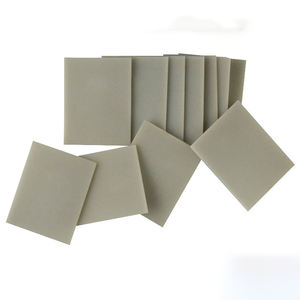
Silicon Nitride Ceramic Blocks
Features of Silicon Nitride Ceramic Blocks
High Strength and Hardness: Extremely strong and hard, with hardness second only to diamond and a few other materials. This makes them suitable for wear-resistant parts like cutting tools and bearings, extending their service life.
Good High-Temperature Resistance: Excellent high-temperature resistance allows them to maintain mechanical properties and stability in high-temperature environments. With a melting point of approximately 1900°C, they are used in aerospace engine hot end parts and high-temperature furnace linings.
Strong Chemical Stability: Highly resistant to acids, alkalis, salts, and other chemicals, they maintain stable performance in harsh chemical environments. This makes them suitable for corrosion-resistant pipes, reactor linings, and other applications in the chemical and petroleum industries.
Good Insulation Properties: High resistivity and low dielectric constant make them excellent electrical insulators, preventing current leakage and short circuits. They are widely used in the electronic industry for integrated circuit substrates and electronic component packaging.
Specifications of Silicon Nitride Ceramic Blocks
| Property |
Gas - pressure Sintered Si₃N₄ |
Hot - pressed Sintered Si₃N₄ |
| Density (g/cm³) |
3.2 |
3.3 |
| Flexural Strength (MPa) |
700 |
900 |
| Young's Modulus (GPa) |
300 |
300 |
| Poisson's Ratio |
0.25 |
0.28 |
| Compressive Strength (MPa) |
2500 |
3000 |
| Hardness (GPa) |
15 |
16 |
| Fracture Toughness (MPa·m¹/²) |
5 - 7 |
6 - 8 |
| Maximum Working Temperature (℃) |
1100 |
1300 |
| Thermal Conductivity (W/m·K) |
20 |
25 |
| Thermal Expansion Coefficient (℃⁻¹) |
3×10⁻⁶ |
3.1×10⁻⁶ |
| Thermal Shock Resistance (ΔT, ℃) |
550 |
800 |
|
Applications of Silicon Nitride Ceramic Blocks
Mechanical Industry: Silicon Nitride Ceramic Blocks can be used to make cutting tools, its high hardness and wear resistance make it able to cut all kinds of metal materials at high speed, improve the machining efficiency and precision, and long tool life. In manufacturing bearings, silicon nitride ceramic blocks can withstand high loads, reduce the coefficient of friction, reduce energy loss, and improve the stability and reliability of mechanical systems.
Aerospace field: Silicon nitride ceramic blocks can be used to manufacture hot end parts of engines, such as turbine blades and combustion chambers. Its high-temperature resistant and high-strength characteristics can maintain good performance under the harsh working environment of high temperature and high pressure, reduce the weight of the engine, improve fuel efficiency, and enhance the overall performance of the aviation engine.
Electronic Industry: Used as integrated circuit substrates and electronic component packaging materials. Their good insulation and thermal stability ensure accurate signal transmission and stable performance of electronic components.
Chemical Industry: Used to make reactor linings, pipes, and valves. Their strong chemical stability resists corrosion from various media, prolonging equipment life and reducing maintenance costs.
Company Profile
Luoyang Tongrun Nano Technology Co. Ltd. (TRUNNANO) is a trusted global chemical material supplier & manufacturer with over 12-year-experience in providing super high-quality chemicals and nanomaterials, including boride powder, nitride powder, graphite powder, ceramic products, 3D printing powder, etc.
The company has a professional technical department and Quality Supervision Department, a well-equipped laboratory, and equipped with advanced testing equipment and after-sales customer service center.
If you are looking for high-quality Ceramic Products please feel free to contact us or click on the needed products to send an inquiry.
Applications of Ceramic Products
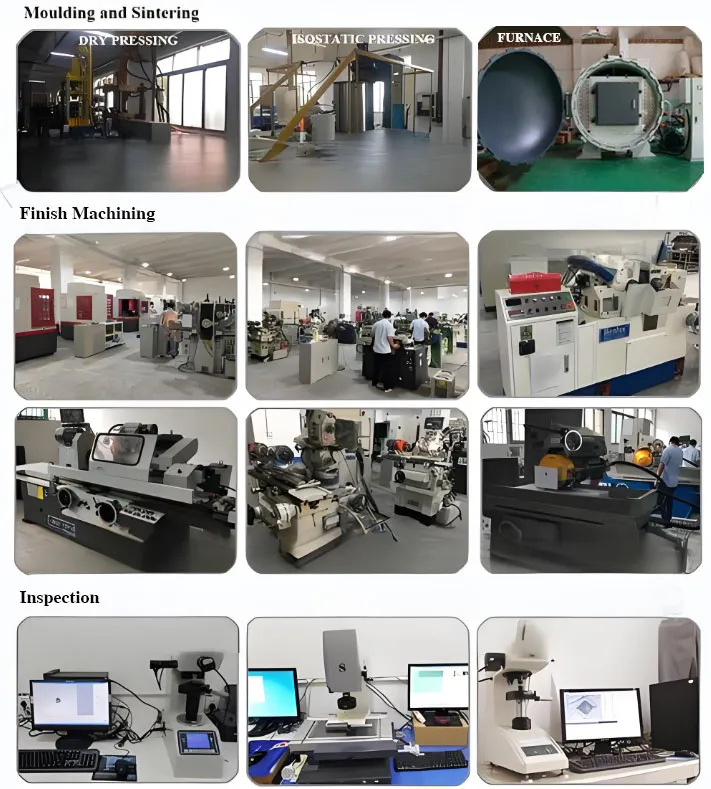
Process of Ceramic Products
Payment Term
T/T, Western Union, Paypal, Credit Card etc.
Shipment Term
By air, by sea, by express, as customers request.
5 FAQs about Silicon Nitride Ceramic Blocks
Q1: Why is silicon nitride ceramic block brittle? How to improve it?
Silicon nitride's brittleness stems from its strong covalent bonds and limited dislocation slip systems, resulting in a fracture toughness of only 6 MPa・m¹/². Improvement methods include:
Self-Toughening Process: Controlled sintering to form long columnar β-Si₃N₄ grains, enhancing crack resistance.
Sintering Additives: Adding rare earth oxides like Y₂O₃ to optimize grain boundary phases and improve toughness.
Composite Toughening: Introducing second phases, such as carbon fibers or carbon nanotubes, to absorb energy through the pull-out effect.
Q2: Is it difficult to process silicon nitride ceramic blocks? What process is required?
Processing is challenging and requires specialized techniques:
Precision Grinding: Using diamond grinding wheels or magnetorheological polishing to achieve surface roughness of Ra<10 nm.
Ultrasonic-Assisted Machining: Reducing cutting forces via high-frequency vibrations and minimizing thermal damage.
Laser/EDM: Suitable for complex microstructures like electronic holes.
Reaction Sintering: Near net molding with shrinkage <0.1%, ideal for complex shapes.
Q3: Why is the cost of silicon nitride ceramic blocks higher?
The high cost is primarily due to:
Raw Material Purity: Requires 99.9% or higher purity Si₃N₄ powder.
Sintering Process: Air-pressure and hot-press sintering demand high-temperature and high-pressure equipment with high energy consumption.
Processing Efficiency: Precision machining is time-consuming with high tool wear.
Q4: How to maintain silicon nitride ceramic blocks?
Storage Environment: Keep in a dry, ventilated area; avoid humidity that may degrade performance.
Handling Protection: Use soft packaging and handle gently to prevent shattering from impact.
Cleaning Method: Wipe with water or neutral cleaner; avoid acidic or alkaline substances.
Regular Inspection: Check for surface cracks and replace damaged parts promptly.
Q5: What factors affect the service life of silicon nitride ceramic blocks?
Working Environment: High temperatures and corrosive media like hydrofluoric acid accelerate aging.
Mechanical Load: Cyclic stress can trigger fatigue cracks.
Processing Quality: Surface defects such as micro-cracks significantly reduce lifespan.
Maintenance Measures: Proper maintenance can extend lifespan by over 30%.