Overview of Silicon Nitride Ceramic Plates
Silicon Nitride Ceramic Plate is a high-performance ceramic material. Silicon Nitride Ceramic Plate is characterized by high strength and hardness, can withstand high temperatures without deformation, and has excellent oxidation and corrosion resistance. These attributes make them invaluable across various industries, including machinery, chemicals, and electronics, where they are used in manufacturing cutting tools, bearings, high-temperature furnace components, and carrier plates for semiconductor chip production.
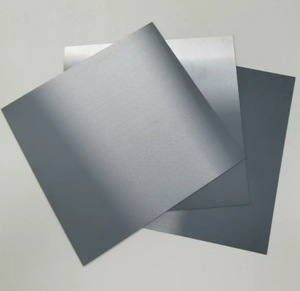
Silicon Nitride Ceramic Plates
Features of Silicon Nitride Ceramic Plates
High Strength and Hardness: Silicon Nitride Ceramic Plate has extremely high strength and hardness, which is second only to diamond and a few other substances. This makes it excellent in wear and impact resistance, able to withstand large external forces without deformation or damage, and can be used to manufacture wear-resistant parts, cutting tools, etc., greatly improving the service life of these parts.
Good high-temperature resistance: silicon nitride ceramic plate has excellent high-temperature resistance and can maintain good mechanical properties and stability in high-temperature environments. It can withstand high temperatures above 1200°C and is not easy to soften, deform or oxidize at high temperatures, so it is commonly used in aerospace, metallurgy, ceramic sintering and other high-temperature fields, such as the lining material of high-temperature furnaces, hot end parts of aviation engines, etc.
Strong Chemical Stability: Highly resistant to acids, alkalis, salts, and other chemicals, they maintain their performance in harsh chemical environments without erosion or degradation. This makes them suitable for equipment and parts in contact with corrosive media in the chemical and petroleum industries.
Good Insulation Properties: With high resistivity and a low dielectric constant, they effectively prevent current flow and maintain good insulating properties even in high-frequency electric fields. This makes them ideal for use in electronic packaging, integrated circuit substrates, and electronic component packaging.
Specifications of Silicon Nitride Ceramic Plates
| Property |
Unit |
Typical Value |
| Color |
- |
Grey |
| Density |
g/cm³ |
3.21 |
| Compressive Strength |
MPa |
3000 |
| Flexural Strength |
MPa |
800 |
| Weibull - Modulus |
- |
15 |
| Fracture Toughness |
MPa·m¹/² |
6.5 |
| Young's Modulus |
GPa |
320 |
| Poisson Ratio |
- |
0.28 |
| Hardness (Vickers, HV1) |
GPa |
16 |
| Maximum Temperature (Inert Gas) |
℃ |
1200 |
| Maximum Temperature (Air) |
℃ |
1100 |
| Thermal Conductivity (at 20℃) |
W/m·K |
28 |
| Thermal Conductivity (at 1000℃) |
W/m·K |
16 |
| Thermal Expansion (20 - 100℃) |
10⁻⁶/K |
2 |
| Thermal Expansion (20 - 1000℃) |
10⁻⁶/K |
3.5 |
| Thermal Shock Parameter R1 |
K |
600 |
| Thermal Shock Parameter R2 |
W/mm |
15 |
| Resistivity (at 20℃) |
Ω·cm |
10¹² |
| Resistivity (at 800℃) |
Ω·cm |
10⁷ |
|
Applications of Silicon Nitride Ceramic Plates
Mechanical Industry: Utilizing their high hardness and wear resistance, they are used to manufacture cutting tools capable of high-speed and dry cutting, improving processing efficiency and quality while reducing costs. They are also used in bearings, where their low friction coefficient and wear resistance ensure stable operation under high-speed and high-load conditions.
Electronic Industry: Due to their good insulating properties and thermal stability, they are widely used in electronic packaging, such as integrated circuit substrates. They prevent signal interference and ensure the stable performance of electronic components.
Aerospace Field: Their high-temperature resistance, high strength, and low density make them ideal for aviation engine components like turbine blades and combustion chambers. They maintain performance in harsh, high-temperature, and high-pressure environments, improving engine efficiency and reliability.
Chemical Industry: With excellent chemical stability and corrosion resistance, they are used to manufacture chemical reactor linings, piping, and valves. They effectively resist corrosion from strong acids, alkalis, and other chemicals, ensuring smooth chemical production processes.
Company Profile
Luoyang Tongrun Nano Technology Co. Ltd. (TRUNNANO) is a trusted global chemical material supplier & manufacturer with over 12-year-experience in providing super high-quality chemicals and nanomaterials, including boride powder, nitride powder, graphite powder, ceramic products, 3D printing powder, etc.
The company has a professional technical department and Quality Supervision Department, a well-equipped laboratory, and equipped with advanced testing equipment and after-sales customer service center.
If you are looking for high-quality Ceramic Products please feel free to contact us or click on the needed products to send an inquiry.
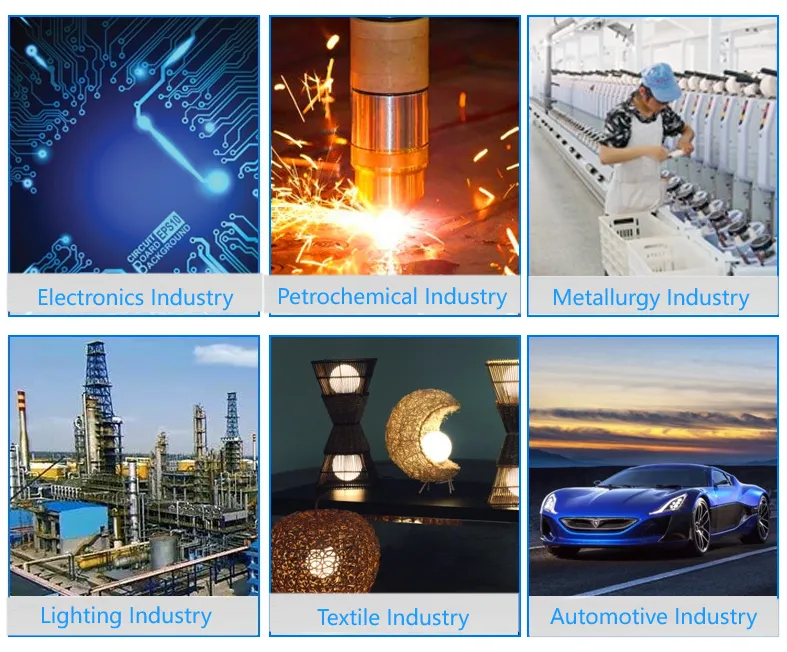
Applications of Ceramic Products
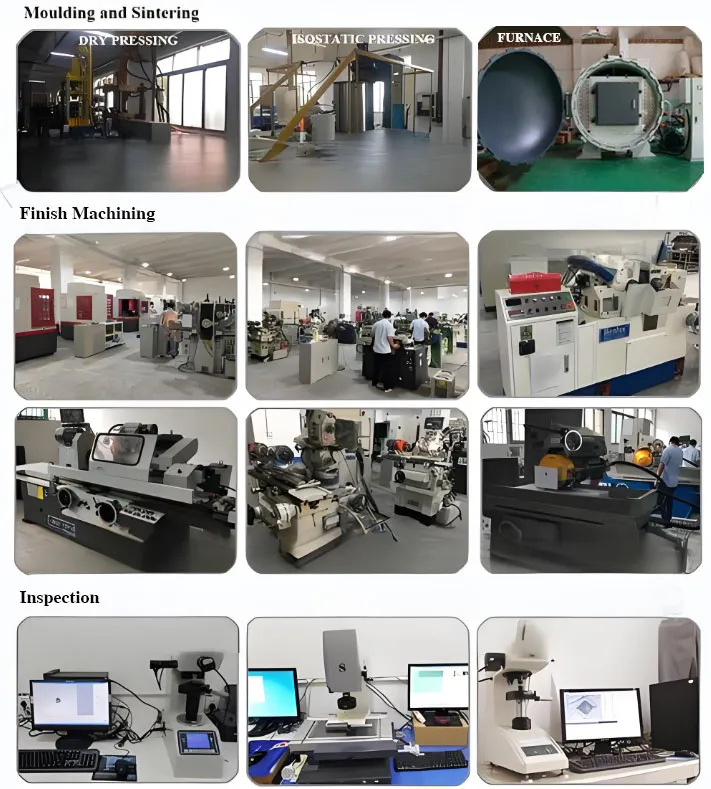
Process of Ceramic Products
Payment Term
T/T, Western Union, Paypal, Credit Card etc.
Shipment Term
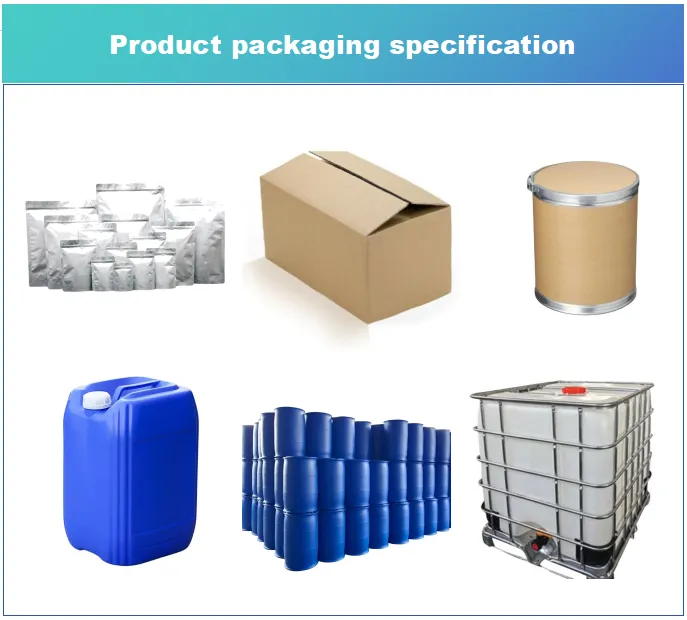
By air, by sea, by express, as customers request.
5 FAQs about Silicon Nitride Ceramic Plates
Q1: What is the maximum operating temperature of silicon nitride ceramic plates?
Silicon nitride ceramic plates can operate stably up to 1400°C in an oxidizing atmosphere and up to 1850°C in a neutral or reducing atmosphere. Their low coefficient of thermal expansion (3.1×10⁻⁶/°C) and thermal shock resistance make them less prone to deformation or cracking in high-temperature environments. For example, components in aero-engine combustion chambers maintain structural stability above 1200°C.
Q2: How are silicon nitride ceramic plates processed?
Special processing techniques are required:
Precision Grinding: Using a diamond grinding wheel or magnetorheological polishing, surface roughness can be reduced to less than 10nm.
Ultrasonic-Assisted Processing: High-frequency vibrations reduce cutting force and thermal damage.
Laser Cutting: Suitable for complex shapes with a kerf accuracy of ±0.05mm.
Reaction Sintering: Near-net molding with pre-nitriding treatment, resulting in shrinkage of less than 0.1%.
Q3: How to maintain silicon nitride ceramic plates?
Cleaning: Wipe with a neutral cleaner and soft cloth; avoid acidic or alkaline solutions.
Storage: Keep in a dry and ventilated environment to prevent moisture-related performance degradation.
Repair: Minor damage can be polished; serious cracks require filling with matching material or part replacement.
Q4: What is the abrasion resistance of silicon nitride ceramic plates?
With a Vickers hardness of 15-16 GPa, silicon nitride ceramic plates are second only to diamond and cubic boron nitride. In mineral grinding equipment, their wear life is over five times that of traditional metals. Their self-lubricating properties maintain a low friction coefficient (0.1-0.3) even without lubrication, reducing energy loss.
Q5: What are the applications of silicon nitride ceramic plates in the semiconductor industry?
As IGBT module substrates, their thermal expansion coefficient (3.2×10⁻⁶/°C) matches third-generation semiconductor materials like SiC and GaN. They can withstand thermal shocks from high currents (>1000A) and high-frequency switching. For example, their use in new energy vehicle motor drive systems has extended IGBT module life by 30%.