Overview of Boron Nitride Components
Boron Nitride Components are made of Boron Nitride as the main raw material. Boron nitride components are characterized by high hardness, high melting point, good chemical stability and insulating properties. Boron nitride components have high hardness, high melting points, good chemical stability and insulating properties, etc. They maintain good performance in high-temperature environments and can be used to manufacture components in semiconductor, aerospace and machining fields, such as heating elements for high-temperature furnaces and wafer carriers in semiconductor manufacturing, which can improve the performance and service life of the equipment.
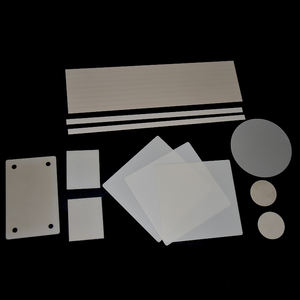
Boron Nitride Components
Features of Boron Nitride Components
High Heat Resistance: With a high melting point, Boron Nitride Components maintain stability in high-temperature environments exceeding 1,000°C, making them suitable for high-temperature industrial applications.
High Hardness and Wear Resistance: Second only to diamond in hardness, these components excel in wear resistance, making them ideal for machining and cutting tools.
Good Insulation: Excellent electrical insulation properties with high resistivity and low dielectric constant make them suitable for electronic device insulating parts.
Good Chemical Stability: Resistant to acids and alkalis, they maintain performance in harsh chemical environments and are used in corrosion-resistant equipment in chemical and petroleum industries.
Specifications of Boron Nitride Components
| Property |
Value/Description |
| Chemical Composition |
Boron (40 - 42.6%), Nitrogen (49 - 52.9%), Oxygen (3 - 5%), Calcium (2 - 3%), SiO₂ (0.2%), B₂O₃ (0.4%), Others (0.03%)2 |
| Crystal Structure |
Hexagonal, cubic, wurtzite4 |
| Physical State |
Powder, solid, aerosol, liquid2 |
| Density |
1.9 - 1.95 g/cm³ (hot - pressed hexagonal boron nitride)2
2.0 - 2.28 g/cm³ (hexagonal boron nitride)4
3.4870 g/cm³ (cubic boron nitride)4 |
| Melting Point |
2973 °C4 |
| Hardness |
Mohs hardness 2 (hexagonal boron nitride)6 |
| Thermal Conductivity |
27.22 - 30.98 W/m·K (parallel to the pressing direction of hot - pressed hexagonal boron nitride at room temperature)2
7.4 W/cm·°C (boron nitride)4 |
| Thermal Expansion Coefficient |
0 - 2.95×10⁻⁶ K⁻¹ (hot - pressed hexagonal boron nitride, depending on temperature range and direction)2
5.27×10⁻⁶ °C⁻¹ (boron nitride)4 |
| Electrical Resistivity |
1.7×10¹⁴ - 4.0×10¹⁴ Ω·cm (hot - pressed hexagonal boron nitride at room temperature)2 |
| Dielectric Strength |
> 39.4 kV/mm (hot - pressed hexagonal boron nitride)2 |
| Max Usage Temperature |
1500 °C (inert atmosphere), 850 °C (oxide atmosphere) for hot - pressed hexagonal boron nitride2
2200 °C or above (hexagonal boron nitride in vacuum or inert gas), 1000 °C (hexagonal boron nitride in oxygen - containing atmosphere) |
|
Applications of Boron Nitride Components
Semiconductor Field: Used for wafer carriers and mask plate materials, Boron Nitride Components ensure processing accuracy and consistency. Their insulating properties help in manufacturing insulating heat dissipation parts.
Aerospace: Utilized in high-temperature aircraft engine parts like turbine blades and combustion chambers, they withstand extreme conditions and improve engine efficiency.
Mechanical Processing Field: Made into cutting and grinding tools, their high hardness and wear resistance enhance tool lifespan and machining quality.
New Energy Field: In lithium battery production, they are used for electrode material coatings and battery diaphragms to improve battery stability and safety.
Company Profile
Luoyang Tongrun Nano Technology Co. Ltd. (TRUNNANO) is a trusted global chemical material supplier & manufacturer with over 12-year-experience in providing super high-quality chemicals and nanomaterials, including boride powder, nitride powder, graphite powder, ceramic products, 3D printing powder, etc.
The company has a professional technical department and Quality Supervision Department, a well-equipped laboratory, and equipped with advanced testing equipment and after-sales customer service center.
If you are looking for high-quality Ceramic Products please feel free to contact us or click on the needed products to send an inquiry.
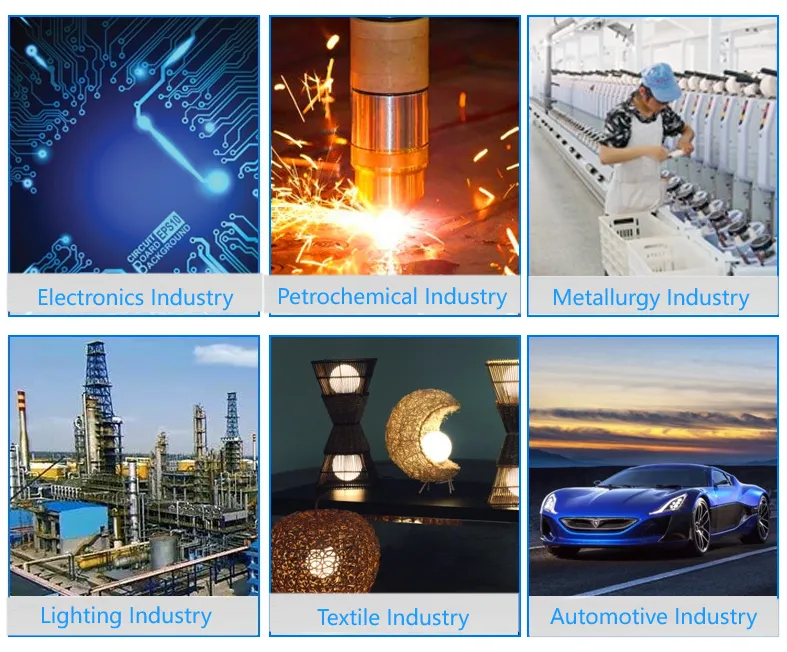
Applications of Ceramic Products
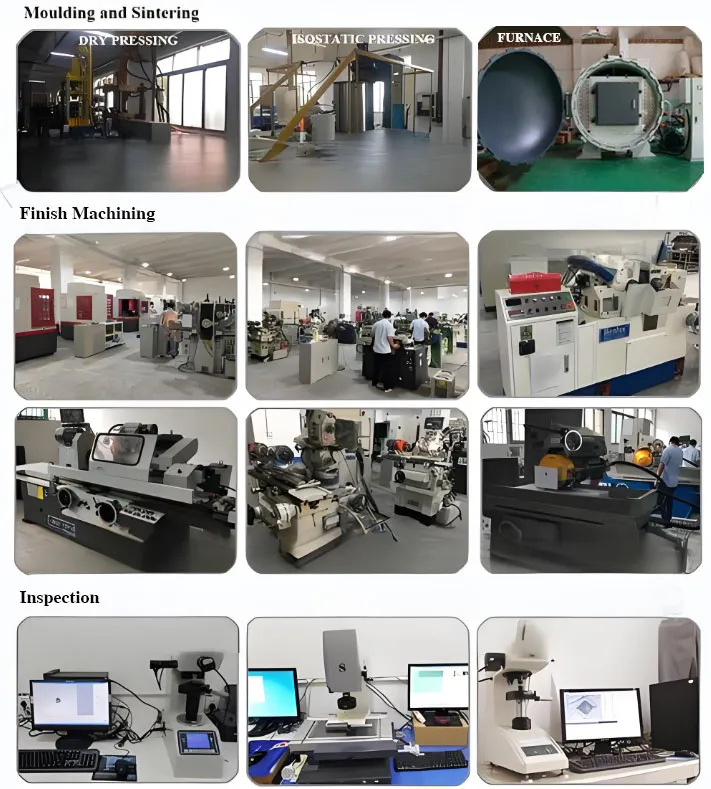
Process of Ceramic Products
Payment Term
T/T, Western Union, Paypal, Credit Card etc.
Shipment Term
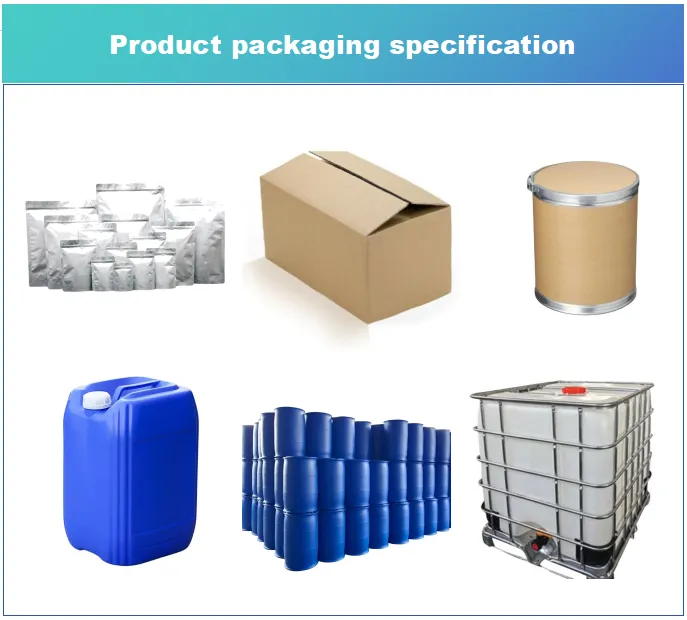
By air, by sea, by express, as customers request.
5 FAQs about Boron Nitride Components
Q1: How does boron nitride promote the development of new energy technologies?
Lithium Batteries: Boron nitride coatings improve electrode stability and prevent lithium dendrite growth, enhancing battery safety.
Photovoltaic Industry: Used as a silicon wafer cutting and grinding material, green silicon carbide-boron nitride composite abrasives achieve nanometer-scale surface accuracy.
Nuclear Reactors: Enriched boron nitride neutron detectors replace traditional ³He tubes for nuclear fission monitoring.
Q2: How difficult is it to machine boron nitride parts?
Machining boron nitride requires super-hard tools and precision processes:
Tool Selection: Diamond or cubic boron nitride (CBN) tools achieve micron-level precision and avoid chipping.
Process Challenge: Hot press sintering at temperatures above 2000°C with a controlled oxidizing atmosphere to prevent material degradation.
Emerging Technology: Ceramic finishing machines combined with CNC systems can machine complex shapes, such as nanoscale structures for deep-UV chips.
Q3: What factors affect the price of boron nitride parts?
Purity and Process: 99.9% pure high-temperature boron nitride is 3-5 times more expensive than ordinary low-temperature boron nitride.
Applications: Semiconductor-grade boron nitride wafers (2-inch diameter) cost over $10,000 per wafer, while industrial-grade abrasives are cheaper.
Market Supply and Demand: High-grade cubic boron nitride relies on imports, with domestic enterprises gradually breaking technology monopolies.
Q4: Is boron nitride environmentally friendly?
Material Itself: Non-toxic, non-radioactive, and complies with EU RoHS standards.
Recycling: Industrial waste can be regenerated using microwave ultrasonic technology, with a recovery rate of over 96%.
Production Process: Some enterprises use water-based suspensions instead of organic solvents to reduce carbon emissions.
Q5: What is the service life of boron nitride parts?
High-Temperature Scenario: Continuous use at 1000℃ can exceed 1,000 hours, twice as long as silicon carbide parts.
Machining: Cubic boron nitride tools have seven times the life of carbide tools when machining hardened steel.
Failure Causes: Long-term high temperatures may cause grain growth, and mechanical stress may cause micro-cracks, requiring structural optimization.