Introduction to Silicon Carbide Heating Elements
Silicon Carbide Heating Element is an electric heating element with silicon carbide as its main component. It has the advantages of high temperature resistance, oxidation resistance and good thermal stability, and can work stably for a long time in a high temperature environment. Silicon Carbide Heating Element also has good mechanical strength and thermal shock resistance, making it less prone to be damaged due to temperature changes, widely used in metallurgy, chemical industry, electronics, and other fields of heating processes.
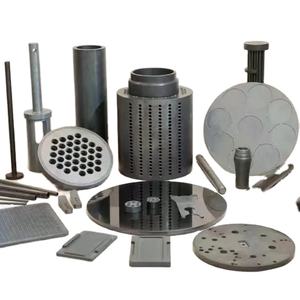
Silicon Carbide Heating Elements
Characteristics of Silicon Carbide Heating Elements
High Heating Efficiency: The resistance value of the silicon carbide heating element is stable, and it can heat up quickly after being energized, converting electric energy into heat energy efficiently, which can effectively shorten the heating time, improve the production efficiency, and reduce the energy loss at the same time.
Strong Oxidation Resistance: When heated in air at high temperatures, a dense layer of silicon dioxide forms on the surface of the element, protecting the internal silicon carbide from further oxidation. This protective layer extends the service life of the heating element, reducing replacement frequency and associated costs.
High mechanical strength: Silicon carbide heating element has good compressive and flexural strength, is not easy to be damaged by external impact or thermal stress, can withstand a certain degree of vibration and shock, easy to install and use.
Uniform Temperature Distribution: The uniform heat generation of silicon carbide heating elements provides a consistent temperature distribution across the heated object. This uniformity is crucial for maintaining product quality consistency.
Industrial Heating: Used in metal heat treatment processes like quenching, tempering, and annealing to enhance metal performance. Also employed in ceramic firing for achieving desired hardness, density, and color, and in glass melting furnaces to ensure uniform glass quality.
Electronics Industry: Utilized in semiconductor manufacturing for high-precision temperature control during silicon wafer annealing and oxidation processes. Also used for aging tests of electronic components to simulate high-temperature environments.
Laboratory Research: Serves as a heating element in high-temperature furnaces for material synthesis and thermal property research. Also used in analytical instruments like atomic absorption spectrometers for sample atomization.
Other Fields: In the petrochemical industry, used to heat reaction vessels and pipelines to facilitate chemical reactions. In food processing, it provides a stable heat source for baking and drying. In aerospace, it simulates high-temperature environments for testing aviation materials.
Specifications of Silicon Carbide Heating Elements
| Specification |
Details |
| Material |
Silicon carbide (SiC) |
| Temperature range |
200℃ - 1625℃ |
| Diameter |
10mm - 55mm |
| Hot zone length |
Up to 4.2m |
| Element length |
100mm - 6m |
| Shape |
Slot type, U type, SGR type, SG type, M type, ED type, DB type, etc. |
| Coating |
Alkali - resistant coating, A coating, B coating, etc. |
| Specific gravity |
2.6 - 2.8 g/cm³ |
| Bend strength |
>300 kg |
| Hardness |
>9 Moh's |
| Tensile strength |
>150 kg/cm³ |
| Porosity rate |
<30% |
| Radiancy |
0.85 |
| Thermal conductivity |
14 - 19 W/m·℃ (at 1000℃) |
| Specific heat |
1.0 kJ/kg·℃ (25 - 1300℃) |
|
Applications of Silicon Carbide Heating Elements
Industrial Heating: Used in metal heat treatment processes like quenching, tempering, and annealing to enhance metal performance. Also employed in ceramic firing for achieving desired hardness, density, and color, and in glass melting furnaces to ensure uniform glass quality.
Electronics Industry: Utilized in semiconductor manufacturing for high-precision temperature control during silicon wafer annealing and oxidation processes. Also used for aging tests of electronic components to simulate high-temperature environments.
Laboratory Research: Serves as a heating element in high-temperature furnaces for material synthesis and thermal property research. Also used in analytical instruments like atomic absorption spectrometers for sample atomization.
Other Fields: In the petrochemical industry, used to heat reaction vessels and pipelines to facilitate chemical reactions. In food processing, it provides a stable heat source for baking and drying. In aerospace, it simulates high-temperature environments for testing aviation materials.
Company Profile
Luoyang Tongrun Nano Technology Co. Ltd. (TRUNNANO) is a trusted global chemical material supplier & manufacturer with over 12-year-experience in providing super high-quality chemicals and nanomaterials, including boride powder, nitride powder, graphite powder, ceramic products, 3D printing powder, etc.
The company has a professional technical department and Quality Supervision Department, a well-equipped laboratory, and equipped with advanced testing equipment and after-sales customer service center.
If you are looking for high-quality Ceramic Products please feel free to contact us or click on the needed products to send an inquiry.

Applications of Ceramic Products
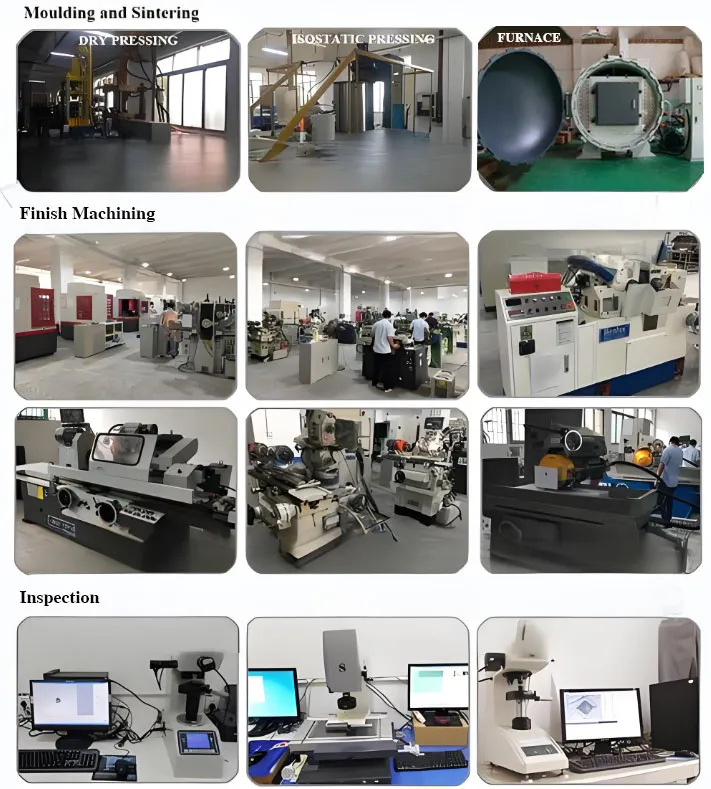
Process of Ceramic Products
Payment Term
T/T, Western Union, Paypal, Credit Card etc.
Shipment Term
By air, by sea, by express, as customers request.
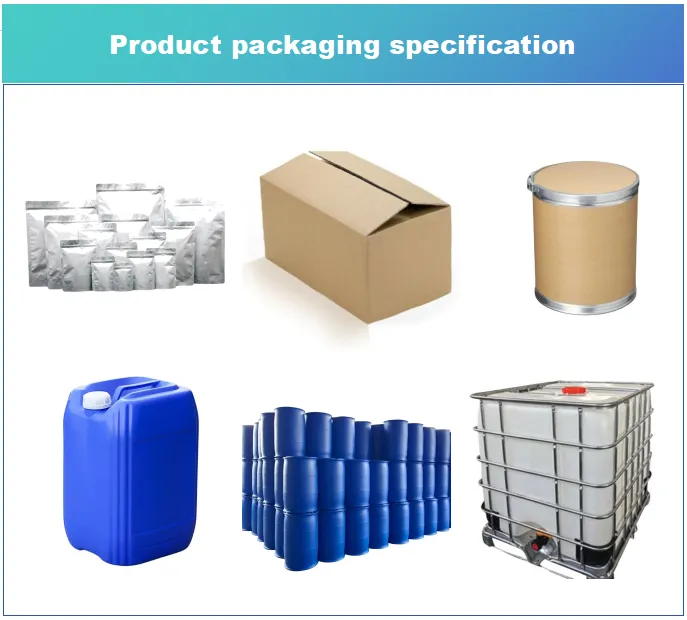
Frequently Asked Questions (FAQs) About Silicon Carbide Heating Elements
Q1: What is the maximum operating temperature for silicon carbide heating elements?
The maximum operating temperature varies by model. Common models can operate at 1450°C to 1500°C long-term, while specialized elements can reach 1600°C to 1625°C for short periods. The absolute maximum is 1627°C, above which the protective silica film is destroyed, accelerating oxidation and reducing lifespan. In water vapor or reducing atmospheres, temperatures should be kept below 1000°C to prevent violent reactions.
Q2: How can I extend the service life of silicon carbide heating elements?
Control surface loading density to 6-8W/8W/cm² to prevent rapid resistance growth and aging.
Avoid corrosive gases and molten metal splashes.
Opt for continuous operation to extend life to 6-8 months, compared to 3-4 months for intermittent use.
Regularly inspect for cracks, clean adhesions, and ensure good terminal contact.
Q3: What should I pay attention to when installing silicon carbide heating elements?
Ensure the element length matches the furnace chamber width, with the cold end extending 50-150mm out of the furnace wall.
Avoid stress by ensuring the furnace hole is 1.4-1.6 times the cold end diameter.
Use parallel connections and aluminum braid or foil for wiring.
Bake new or unused furnaces with old rods to prevent component damage from rapid temperature rise.
Q4: Can silicon carbide heating elements be used in vacuum or inert gas?
Yes, but with considerations:
In vacuum (< 10³ Pa), the maximum temperature can be 1700°C, but avoid contact with carbon materials.
In nitrogen, temperatures above 1200°C may generate silicon nitride; in argon, no such limitation exists.
Q5: How can I tell if a silicon carbide heating element needs to be replaced?
Replace the element if:
The resistance exceeds four times the initial value, and temperature regulation fails.
Visible cracks, flaking, or distortion affect heating uniformity.
The cold end reddens, indicating excessive resistance and potential overheating.