Aluminum nitride high heat dissipation ceramic plate is a new type of material with excellent performance. With aluminum nitride as the primary component, it exhibits high thermal conductivity, enabling the rapid dissipation of heat and effectively addressing the issue of heat dissipation. These attributes make them ideal for manufacturing high-performance chip packages and high-power devices across various industries, including electronics, aerospace, and others.
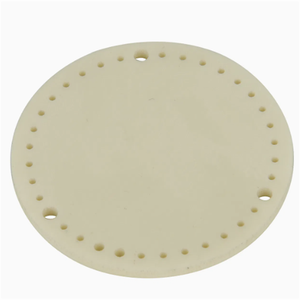
Aluminum Nitride High Heat Dissipation Ceramic Plates
Aluminum Nitride High Heat Dissipation Ceramic Plate has a far higher thermal conductivity than ordinary ceramic materials, with thermal conductivity up to 170 - 320W / (m-K); this excellent heat dissipation ability can quickly and evenly disperse heat and effectively solve the high-power chips, 5G base stations and other high-heat electronic equipment heat dissipation problems, to protect the stable operation of the equipment.
Physically, aluminum nitride high heat dissipation ceramic plates have high mechanical strength and hardness comparable to sapphire. With a compressive strength of over 300MPa, they can withstand significant mechanical stress. They also exhibit excellent chemical and thermal stability, resisting corrosion in acidic and alkaline environments. They maintain stable performance across an extreme temperature range of -200 °C to 800 °C, featuring high-temperature resistance and wear resistance. These properties significantly extend equipment lifespan and ensure reliable performance in harsh environments, such as those found in aerospace and new energy vehicles.
|
Aluminum nitride high heat dissipation ceramic plates play an irreplaceable role in many critical fields due to their excellent heat dissipation and physicochemical properties.
In the electronics and information field, as 5G technology and artificial intelligence rapidly develop, chip integration increases, and heat generation sharply rises. These ceramic plates are widely used in advanced chip packaging shells and heat-dissipation substrates. They quickly dissipate chip heat, isolate electromagnetic interference, and ensure stable, reliable, high-frequency, and high-speed chip operation.
In power electronics, new energy generation, and smart grid industries, the performance requirements for power devices continue to rise. Aluminum nitride high-heat-dissipation ceramic plates are used in the heat-dissipation structures of key components, such as insulated gate bipolar transistor (IGBT) modules. They withstand high-voltage and high-current operating conditions, significantly improving energy conversion efficiency and reducing energy loss, thereby providing a solid guarantee for the stable operation of new energy vehicles, fast-charging systems, high-efficiency drive systems, as well as wind and photovoltaic power generation systems.
The optical communication field is developing towards ultra-high speed and large capacity, with extremely stringent heat dissipation requirements for optical modules. Aluminum nitride high heat dissipation ceramic plates are used in optical modules and other core equipment. Their excellent thermal conductivity and good insulation ensure stable equipment performance during high-speed data transmission, enabling efficient and stable optical signal transmission and serving as a vital material for building high-speed optical communication networks.
In the aerospace field, aircraft electronic systems are subjected to extreme temperatures and severe vibrations. Aluminum nitride high heat dissipation ceramic plates provide reliable heat dissipation solutions for avionics, ensuring the stable operation of navigation, communication, and other key systems.
In the automotive electronics field, particularly in battery management systems, motor controllers, and other components of new energy vehicles, these ceramic plates help address heat dissipation issues caused by high-power operation.
Luoyang Tongrun Nano Technology Co. Ltd. (TRUNNANO) is a trusted global chemical material supplier & manufacturer with over 12-year-experience in providing super high-quality chemicals and nanomaterials, including boride powder, nitride powder, graphite powder, ceramic products, 3D printing powder, etc.
The company has a professional technical department and Quality Supervision Department, a well-equipped laboratory, and equipped with advanced testing equipment and after-sales customer service center.
If you are looking for high-quality Ceramic Products please feel free to contact us or click on the needed products to send an inquiry.
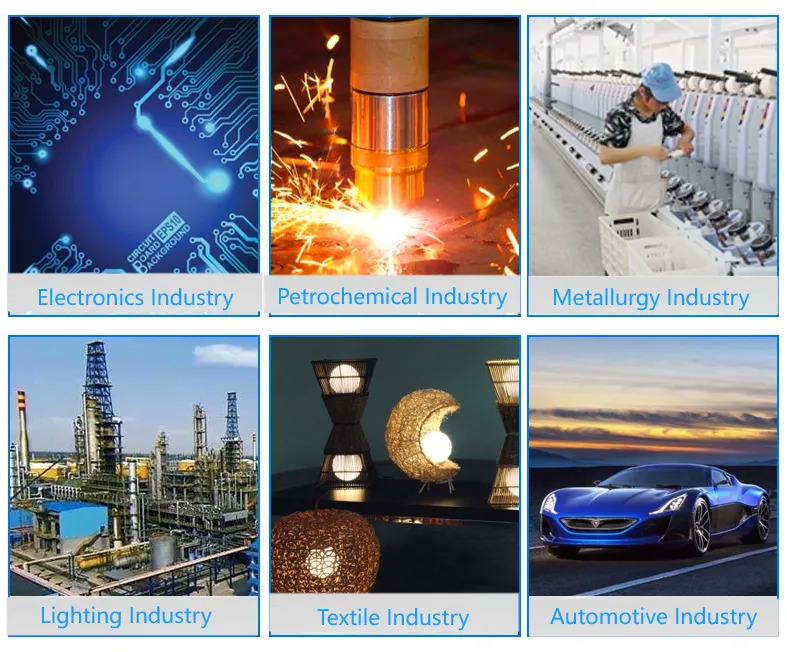
Applications of Ceramic Products
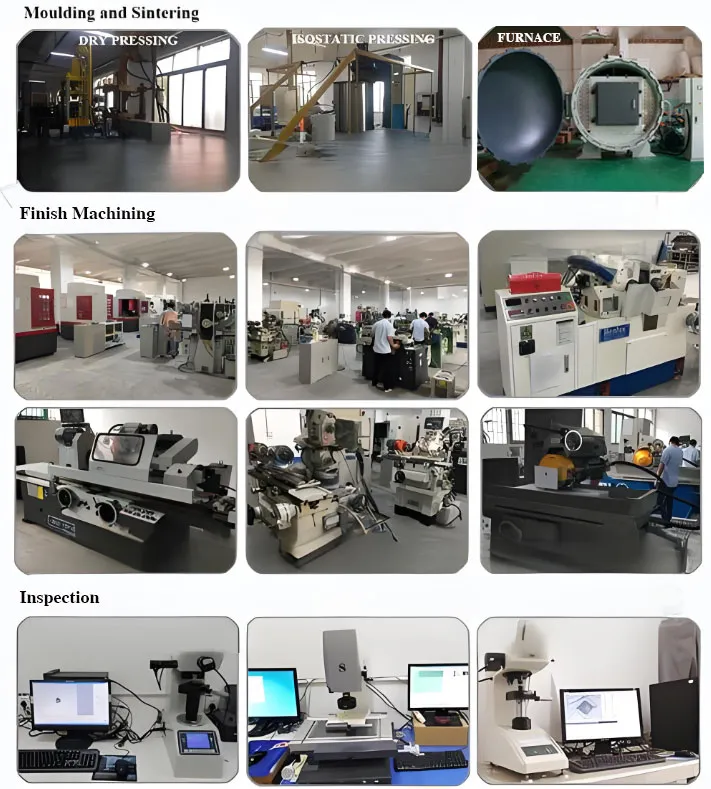
Process of Ceramic Products
Payment Term
T/T, Western Union, Paypal, Credit Card etc.
Shipment Term
By air, by sea, by express, as customers request.
Copper / Aluminum has high thermal conductivity but poor insulation, and the coefficient of thermal expansion does not match the chip, which can lead to thermal stress failure. Aluminum nitride offers the advantages of high thermal conductivity, insulation, and thermal matching, making it especially suitable for high-frequency and high-power scenarios.
High thermal conductivity: Target to exceed 200 W/(m·K) or more, narrowing the gap with Japan. Ultra-thin and integrated: R&D of 0.15mm flexible substrate to meet the miniaturization demand of consumer electronics. Environmental protection and sustainability: Compliance with RoHS and REACH standards, as well as the reduction of ammonia emissions in the production process. Intelligent production: AI simulation of sintering curves to optimize energy consumption and a digital twin factory to improve yield to 76%.
Third-generation semiconductors (e.g., Gallium Nitride) may drive upgrades in heat dissipation materials, but Aluminum Nitride still offers advantages in terms of thermal compatibility and cost. Additionally, the U.S. may include it in the technology embargo list; therefore, it's essential to monitor the progress of domestic substitution.
Thermal conductivity: High-power devices (such as IGBTs) require a thermal conductivity of greater than 170 W/(m·K).
Thickness: Consumer electronics typically use an ultra-thin substrate of less than 0.2 mm, while industrial equipment utilizes a plate ranging from 0.5 to 1 mm in thickness.
Metallization process: Thick-film copper plating is suitable for low-cost needs, while thin-film sputtering (Ti/Pt/Au) supports high-density wiring.
Thermal interface materials: Use high-thermal-conductive silicone grease or solder (e.g., AuSn) to reduce contact thermal resistance. Mechanical fixing: Avoid stress concentration by using elastic shims or bolts for pre-tensioning. Environmental protection: Surface moisture-proof treatment is required to prevent hydrolysis in humid environments.