Aluminum Nitride Corrosion Resistant Ceramic Rod is a high-performance ceramic material product. With aluminum nitride as its main component, it exhibits excellent corrosion resistance and can withstand the erosion of many chemicals. Aluminum nitride, a corrosion-resistant ceramic rod, also exhibits high hardness, high strength, good thermal conductivity, and insulation properties. They are widely used in the chemical and electronic industries for the manufacture of corrosion-resistant reaction vessels, pipelines, and electrodes, among other applications.

Aluminum Nitride Corrosion-resistant Ceramic Rods
Aluminum nitride, a corrosion-resistant ceramic, exhibits remarkable chemical stability due to its high purity and density. They can resist corrosion from strong acids, such as sulfuric and hydrochloric acids, as well as strong bases, including sodium and potassium hydroxides.
With a Mohs hardness of 8 - 9, comparable to sapphire, their wear resistance surpasses that of ordinary metals. Even in high-friction conditions, their surface remains largely free of abrasions and scratches. Featuring a thermal conductivity of 170-230 W / (m·K), which is one-third that of copper, they effectively conduct heat away to prevent localized overheating.
Furthermore, these ceramic rods serve as excellent electrical insulators, with a volume resistivity exceeding 10¹⁴Ω-cm. This prevents short circuits in extreme conditions such as high temperatures, pressures, and chemical corrosion. They maintain stable physicochemical properties, ensuring the reliable operation of various equipment.
|
In the chemical field, aluminum nitride, a corrosion-resistant ceramic rod, is the core component of equipment processing strong corrosive media. Manufacturing reactor lining, it can resist sulfuric acid, nitric acid and other strong acids, as well as sodium hydroxide and other strong alkali erosion for a long time, to ensure that the reaction is safe; as a pipeline material, even in the face of the flow of high concentrations of corrosive liquids scouring, but also not easy to be destroyed, to ensure the stable operation of the chemical process.
In the electronics industry, aluminum nitride corrosion-resistant ceramic rods as integrated circuit substrate, with excellent insulation and thermal conductivity, can effectively prevent signal interference, rapid export of heat, and enhance chip performance; applied to packaging materials, can protect the chip from the external environment, but also provide stable heat dissipation channel for the chip, to protect the reliability and stability of electronic equipment.
Luoyang Tongrun Nano Technology Co. Ltd. (TRUNNANO) is a trusted global chemical material supplier & manufacturer with over 12-year-experience in providing super high-quality chemicals and nanomaterials, including boride powder, nitride powder, graphite powder, ceramic products, 3D printing powder, etc.
The company has a professional technical department and Quality Supervision Department, a well-equipped laboratory, and equipped with advanced testing equipment and after-sales customer service center.
If you are looking for high-quality Ceramic Products please feel free to contact us or click on the needed products to send an inquiry.
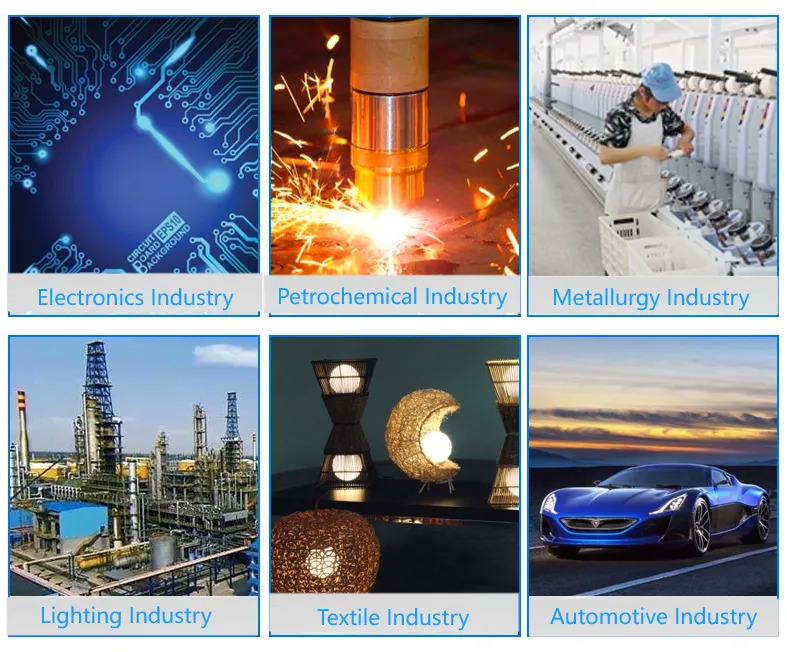
Applications of Ceramic Products
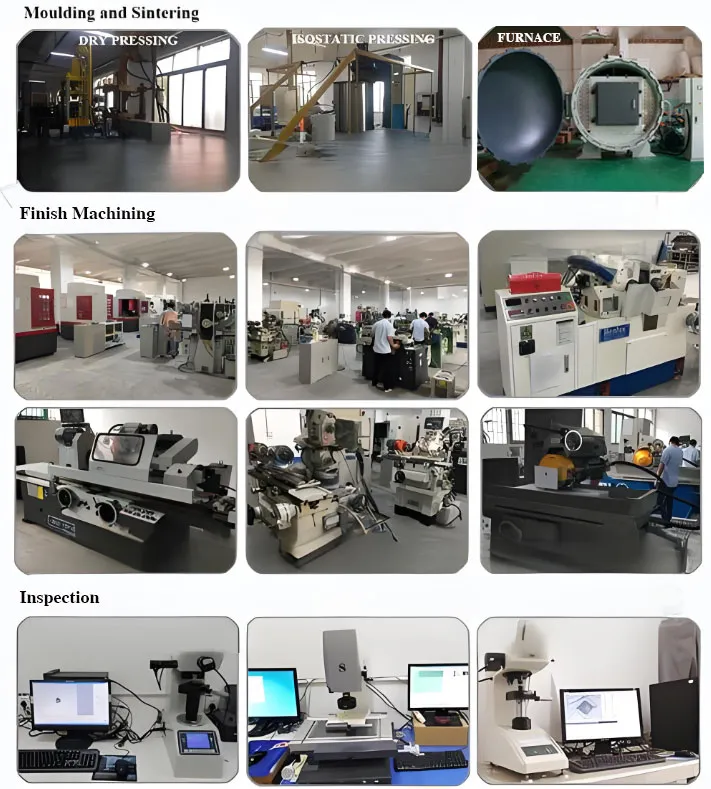
Process of Ceramic Products
Payment Term
T/T, Western Union, Paypal, Credit Card etc.
Shipment Term
By air, by sea, by express, as customers request.
Epitaxial molding involves preparing thin sheets through the slurry coating, making them suitable for the mass production of substrates. Hot press sintering achieves densification under high temperatures and pressure, resulting in high thermal conductivity. Discharge plasma sintering enables rapid sintering, reducing energy consumption and improving densification. Metallization can be achieved through thick-film methods, active brazing, or direct copper cladding (DBC) for metal connections.
Control the environment by avoiding long-term use in oxidizing atmospheres or high-temperature, high-pressure conditions to prevent oxidation and brittle cracks. Regularly inspect for surface cracks and wear, clean off dirt, and perform passivation if necessary. Manage stress by avoiding excessive mechanical shocks or sudden temperature changes to reduce thermal stress.
Use active brazing (e.g., Ti-based brazing material) or direct copper cladding (DBC) to connect to metal parts, ensuring a strong interface. Enhance heat dissipation efficiency with thermally conductive silicone grease or metal plating. During laser cutting, control the auxiliary air pressure to prevent damage to the heat-affected zone.
Aluminum nitride powder can irritate the respiratory tract, so wear masks and gloves when handling. Dispose of waste materials in accordance with environmental regulations and avoid mixing with acidic substances to prevent the generation of harmful gases.