Aluminum nitride ceramics, synthesized primarily from aluminum nitride (AlN) via isostatic pressing technology, represent a class of high-performance ceramic materials. It has the advantages of high hardness, high strength, high thermal conductivity, a low coefficient of expansion, good chemical stability, and electrical insulation, among others. It has a wide range of applications in electronics, aerospace, machinery manufacturing, and other fields and can be used to manufacture IC substrates, ceramic cutting tools, and high-temperature-resistant parts.
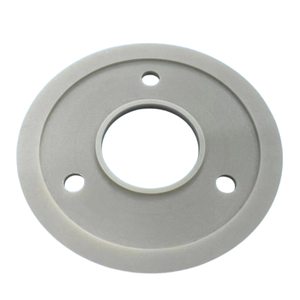
Aluminum Nitride Isostatic Ceramics
Aluminum nitride isostatic ceramic is an advanced material with excellent performance. It has outstandingly high thermal conductivity, values up to 170 - 320W/(m-K), can be like a highly efficient heat dissipation “small hand”, quickly the heat generated by the operation of electronic equipment, greatly enhancing the operational efficiency and service life of electronic equipment, and effectively solve the thermal management of electronic equipment problems.
Aluminum nitride isostatic pressure ceramic insulation exhibits excellent performance; its low dielectric constant and dielectric loss are minimal, which prevents circuit short circuits and leakage, ensuring the stable operation of electronic devices and establishing a solid safety line of defense.
Aluminum nitride ceramics also boast hardness comparable to diamond and strength surpassing most metal materials. Their exceptional wear resistance makes them highly durable in high-speed friction environments. Additionally, their excellent chemical stability and corrosion resistance allow them to maintain performance stability even in harsh chemical environments such as acids and alkalis. With a thermal expansion coefficient closely matching that of silicon, they can withstand drastic temperature changes without stress damage caused by thermal expansion and contraction, ensuring reliability under extreme working conditions.
|
In the field of electronic information, aluminum nitride isostatic pressure ceramics are not only used in the manufacture of integrated circuits substrate, with ultra-high thermal conductivity to quickly channel a large amount of heat generated by the chip operation, to avoid performance degradation or damage due to overheating but also made of ceramic packaging shell, with excellent electrical insulation to isolate the external electromagnetic interference, to ensure the stable operation of the electronic components and the accurate transmission of signals, in the 5G base stations, high-performance servers and other high-end It plays a key role in high-end equipment such as 5G base stations and high-performance servers.
In the aerospace field, in the face of extremely complex high-altitude environments, engine parts made of aluminum nitride isostatic ceramic can withstand the harsh conditions of high temperature and high pressure and effectively enhance the thermal efficiency and reliability of the engine; radome uses its good dielectric properties and thermal stability to ensure the efficient transmission of radar signals and accurate detection and help the aircraft fly safely in the complex meteorological and electromagnetic environment.
In the field of energy, aluminum nitride isostatic ceramics excel in high-temperature fuel cells. As a support material, it can maintain structural stability at high temperatures, providing reliable physical support for the battery; when used as an electrolyte diaphragm, it can effectively separate fuel and oxidizer by virtue of its excellent chemical stability, and, at the same time promote ionic conduction, enhance the power generation efficiency and service life of the fuel cell, and play an important role in the development and utilization of hydrogen energy.
In the field of machinery manufacturing, aluminum nitride isostatic ceramic made of precision cutting tools, with high hardness and wear resistance, can achieve high-efficiency cutting of high-hardness metal materials, significantly improve the machining accuracy and surface quality; wear-resistant parts in heavy machinery, mining equipment, even if long-term in the high-intensity friction and impact environment, but also to maintain good performance, significantly extend the service life of the equipment, reduce maintenance costs.
Furthermore, in the optics field, their excellent optical transparency makes them suitable for manufacturing optical windows used in high-temperature and strongly corrosive environments. In the medical field, the good biocompatibility and mechanical properties of aluminum nitride ceramics make them ideal for producing bioceramics, with potential applications in artificial bone and dental restoration, offering new treatment options for patients.
Luoyang Tongrun Nano Technology Co. Ltd. (TRUNNANO) is a trusted global chemical material supplier & manufacturer with over 12-year-experience in providing super high-quality chemicals and nanomaterials, including boride powder, nitride powder, graphite powder, ceramic products, 3D printing powder, etc.
The company has a professional technical department and Quality Supervision Department, a well-equipped laboratory, and equipped with advanced testing equipment and after-sales customer service center.
If you are looking for high-quality Ceramic Products please feel free to contact us or click on the needed products to send an inquiry.

Applications of Ceramic Products
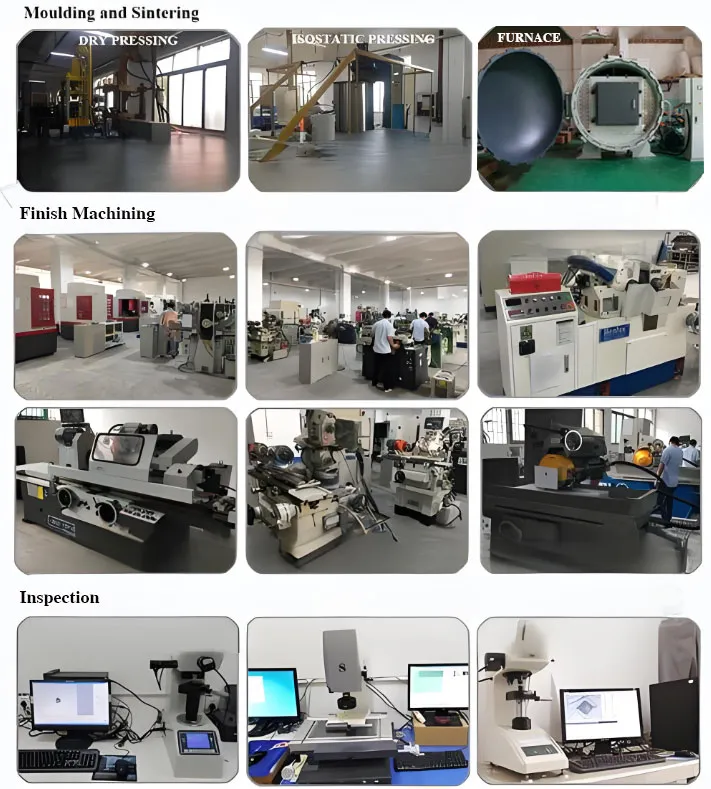
Process of Ceramic Products
Payment Term
T/T, Western Union, Paypal, Credit Card etc.
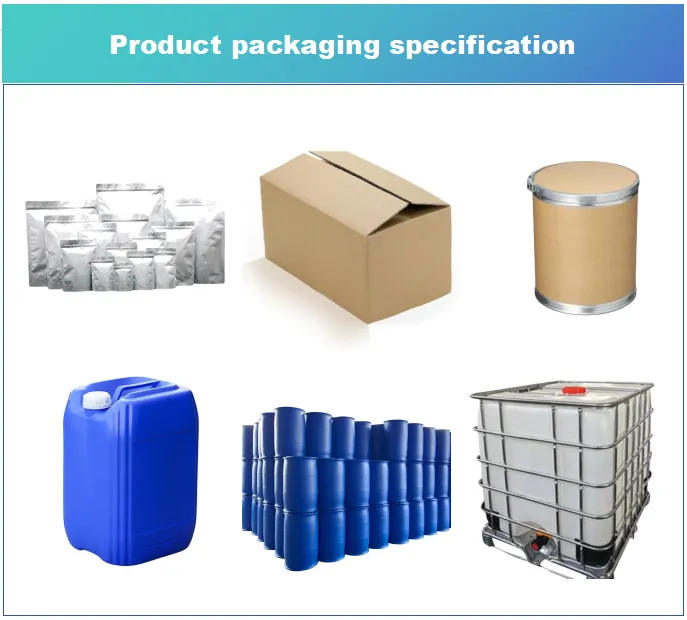
Shipment Term
By air, by sea, by express, as customers request.
Q1: What distinguishes aluminum nitride ceramics from other ceramic materials like alumina and silicon nitride?
Aluminum nitride (AlN) stands out due to its high thermal conductivity (170-320 W/(m·K)), which is 5-10 times higher than that of alumina (17-25 W/(m·K)). Its thermal expansion coefficient (4.5-5.5×10⁻⁶/K) aligns closely with silicon-based chips, making it suitable for heat dissipation in high-power electronic devices. In contrast, silicon nitride (Si₃N₄) offers higher mechanical strength (fracture toughness of approximately 5 MPa·m¹/²) but lower thermal conductivity (15-30 W/(m·K)), making it more suitable for aerospace components that require high reliability.
Q2: Why does aluminum nitride exhibit a broad range of thermal conductivity (170-320 W/(m·K))?
Purity, sintering processes, and the presence of impurities significantly influence thermal conductivity. The theoretical thermal conductivity of high-purity AlN (≥99.9%) can reach up to 320 W/(m·K). However, oxygen impurities (e.g., Al₂O₃) or porosity introduced during production can impede phonon conduction, reducing thermal conductivity to 170-200 W/(m·K). For instance, the addition of Y₂O₃ as a sintering aid lowers the sintering temperature but may introduce a low-thermal-conductivity grain boundary phase if excessive (typically ≤2 wt%).
Q3: What is the chemical stability of aluminum nitride ceramics?
Aluminum nitride remains stable in neutral or weakly acidic environments but undergoes hydrolysis in strong acids (e.g., hydrochloric acid >10%) or strong bases (e.g., NaOH solutions), producing Al(OH)₃ and NH₃. At temperatures exceeding 1000°C, AlN can form stable interfaces with molten aluminum or silicon, enabling its widespread use in metallurgical crucibles and semiconductor growth equipment.
Q4: What are the advantages of isostatic pressing for aluminum nitride ceramics? How does it differ from other forming methods, such as dry pressing and casting?
Isostatic pressing (Cold Isostatic Pressing, CIP, or Hot Isostatic Pressing, HIP) achieves a uniform material density distribution (deviation <1%) by applying omnidirectional pressure. This method enables the fabrication of complex shapes (e.g., thin-walled, structured components) without the use of lubricants and with minimal contamination. In comparison, dry pressing is prone to delamination defects, casting is limited to sheet materials, and isostatic pressing enables near-net shaping, making it particularly suitable for high-precision aerospace components.
Q5: How can the density and thermal conductivity of aluminum nitride ceramics be improved?
Key strategies include: