Overview of Silicon Nitride Ceramic Tubes
Silicon Nitride Ceramic Tubes are a class of high-performance ceramic products. They are renowned for their high strength, high hardness, excellent high-temperature resistance, wear resistance, and corrosion resistance. With good chemical stability, these tubes can resist erosion from numerous chemicals. At the same time, silicon nitride ceramic tube also has good insulation properties and thermal stability. Therefore, it has a wide range of applications in many fields, such as machinery, chemical industry, metallurgy, electronics, etc. It can be used to manufacture high-temperature furnace tubes, thermocouple protection tubes, chemical piping and so on.
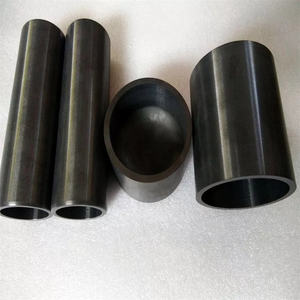
Silicon Nitride Ceramic Tubes
Features of Silicon Nitride Ceramic Tubes
High Strength and Hardness: These tubes are extremely strong and hard, with hardness second only to diamond and other super-hard materials. This allows them to maintain their shape and performance under high pressure, high-speed impact, and high load conditions, resisting deformation and wear. They are ideal for manufacturing wear-resistant and pressure-resistant mechanical components.
Excellent High-Temperature Resistance: With outstanding high-temperature resistance, the tubes maintain stable physical and chemical properties in high-temperature environments. They can withstand temperatures up to 1600°C and retain high strength at elevated temperatures. This makes them widely used in high-temperature industrial applications, such as furnace tubes and thermocouple protection tubes in metallurgy and glass manufacturing.
Good Corrosion Resistance: The tubes demonstrate strong resistance to acids, alkalis, salts, and other chemicals, making them resistant to corrosion. In the chemical and petroleum industries, they can transport various corrosive media, effectively extending equipment life and reducing maintenance costs.
Superior Insulation Properties: Possessing excellent electrical insulation properties, these tubes can effectively prevent current flow. They are used in electronics and electrical fields as insulating components to ensure equipment operates safely.
Specifications of Silicon Nitride Ceramic Tubes
| Property |
Typical Value |
| Density |
3.1−3.3 g/cm3 |
| Color |
Grey, grey-black, or black |
| Mechanical Properties |
|
| Compressive Strength |
2200−3000 MPa |
| Flexural Strength |
650−900 MPa |
| Fracture Toughness |
6−8 MPa⋅m1/2 |
| Vickers Hardness |
16−20 GPa |
| Young's Modulus |
290−320 GPa |
| Poisson's Ratio |
0.28 |
| Thermal Properties |
|
| Maximum Temperature (Inert Gas) |
1200−1400∘C |
| Maximum Temperature (Air) |
1000−1100∘C |
| Thermal Conductivity (@20∘C) |
23−28 W/m⋅K |
| Thermal Conductivity (@1000∘C) |
16 W/m⋅K |
| Thermal Expansion (20−100∘C) |
2×10⁻⁶/K |
| Thermal Expansion (20−1000∘C) |
3.5×10⁻⁶/K |
| Electrical Properties |
|
| Resistivity (@20∘C) |
1012 Ω⋅cm |
| Resistivity (@800∘C) |
107 Ω⋅cm |
| Dielectric Constant |
6−8.2 |
|
Applications of Silicon Nitride Ceramic Tubes
Mechanical Engineering: Due to their high strength, high hardness and wear resistance, silicon nitride ceramic tubes are often used in the manufacture of high-speed cutting tools, bearing balls and rings. Silicon nitride ceramic tools enable high-speed cutting, improve machining efficiency and precision, and, at the same time, extend tool life. Bearings made of silicon nitride ceramics have good wear resistance and stability under high-speed, high-temperature and high-load working conditions, which can reduce friction loss and improve the performance and reliability of mechanical systems.
Electronics Industry: using its good insulating properties and thermal stability, silicon nitride ceramic tube can be used as an insulating encapsulation material for electronic components, substrate materials, and semiconductor manufacturing in the gas transport pipeline. Insulation encapsulation material can protect electronic components from the influence of the external environment, to ensure their normal operation; substrate materials for electronic components to provide a stable support and electrical connection platform; and as a gas pipeline, can be in the semiconductor manufacturing process, the precise delivery of a variety of process gases, to ensure the stability and consistency of the production process.
Energy Sector: In solid oxide fuel cells, they can be used as electrolyte supports or connectors, improving battery performance and life. In solar photovoltaic systems, they manufacture solar collector tubes, efficiently absorbing solar energy and converting it into heat while demonstrating excellent weathering and corrosion resistance.
Company Profile
Luoyang Tongrun Nano Technology Co. Ltd. (TRUNNANO) is a trusted global chemical material supplier & manufacturer with over 12-year-experience in providing super high-quality chemicals and nanomaterials, including boride powder, nitride powder, graphite powder, ceramic products, 3D printing powder, etc.
The company has a professional technical department and Quality Supervision Department, a well-equipped laboratory, and equipped with advanced testing equipment and after-sales customer service center.
If you are looking for high-quality Ceramic Products please feel free to contact us or click on the needed products to send an inquiry.
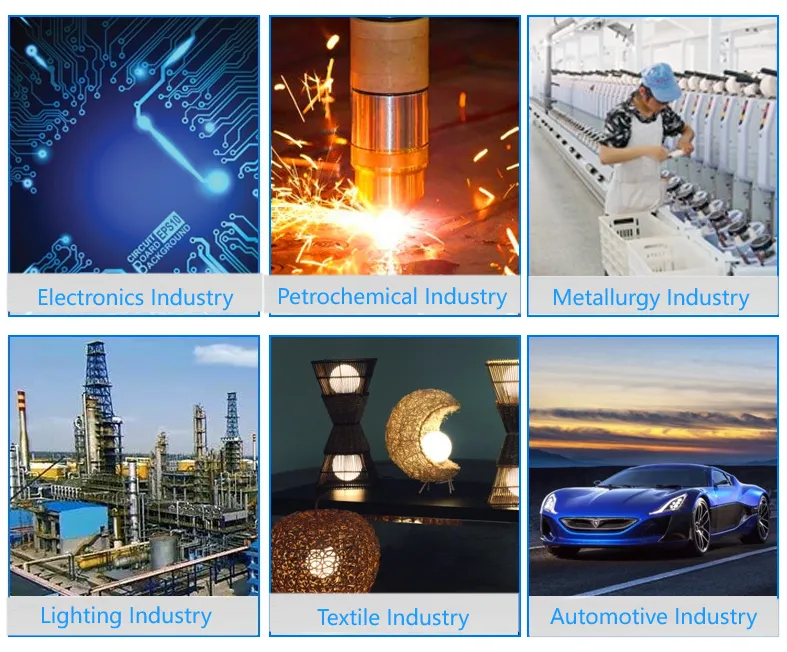
Applications of Ceramic Products
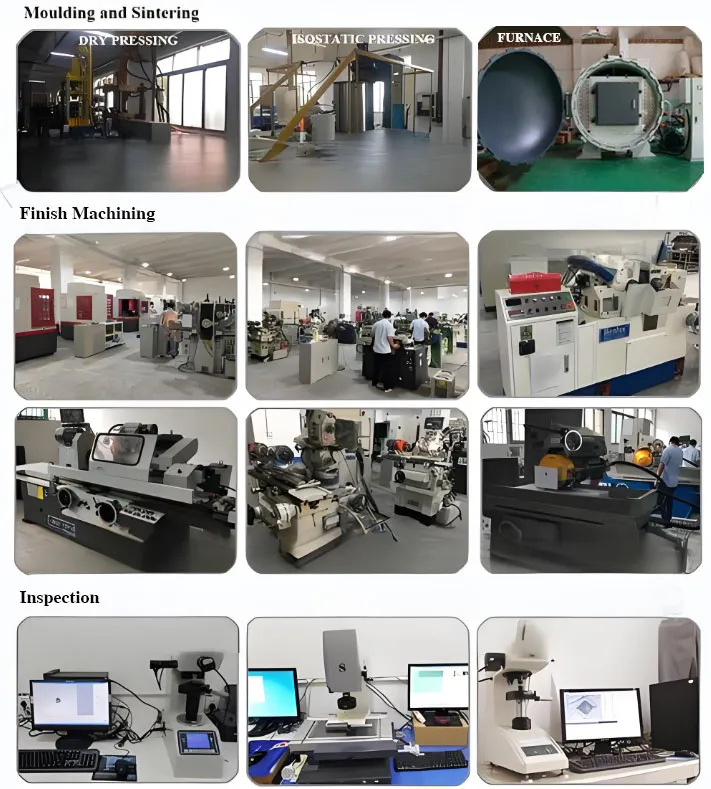
Process of Ceramic Products
Payment Term
T/T, Western Union, Paypal, Credit Card etc.
Shipment Term
By air, by sea, by express, as customers request.

5 FAQs About Silicon Nitride Ceramic Tubes
Q1: Why are Silicon Nitride Ceramic Tubes expensive?
The cost is primarily attributed to the high purity of raw materials (e.g., α-phase content > 92%), the complexity of the manufacturing process (e.g., hot-press sintering requires high-temperature and high-pressure equipment), and the difficulty of machining (diamond abrasive tools are required). For example, only a few enterprises have mastered the mass production technology of hot isostatic pressing for silicon nitride ceramic balls, which further drives up market prices.
Q2: What is the long-term operating temperature of silicon nitride ceramic tubes?
The recommended operating temperature is not more than 1000°C in air and up to 1400°C in a protective atmosphere. Above 1200°C, material strength will decline over time, and above 1450°C, fatigue damage is likely. For instance, when used in automobile engines, the operating temperature can be raised to 1300°C, significantly improving thermal efficiency.
Q3: How are silicon nitride ceramic tubes installed and connected?
Flange connections are typically used, with care taken to avoid collisions and surface damage. In high-temperature environments, brazing technology (e.g., using SiTi22 alloy brazing material) can achieve metallurgical bonding and enhance joint strength. Installation should be numbered and sealed to prevent media leakage.
Q4: What is the corrosion resistance of silicon nitride ceramic tubing?
Resistant to most inorganic acids (except hydrofluoric acid), caustic solutions up to 30%, and molten metals like aluminum. In the chemical industry, its corrosion rate in boiling hydrochloric acid is extremely low, with a continuous operating life of over two years.
Q5: What is the difference between silicon nitride ceramic tubes and alumina ceramic tubes?
Silicon nitride ceramics are harder (1500 HV on the Vickers scale), more resistant to thermal shock (thermal expansion coefficient 3.1 x 10⁻⁶/°C), and have better thermal conductivity than alumina. Alumina ceramics are less costly but have inferior thermal conductivity and thermal shock resistance, making them suitable for mid- to low-end applications.