Silicon Nitride Ceramic Rings Overview
Silicon Nitride Ceramic Rings is a high-performance ceramic product. It is made of silicon nitride as the main raw material through a special process. It has excellent properties such as high strength, high hardness, high-temperature resistance, corrosion resistance and oxidation resistance. Silicon nitride ceramic ring also has good wear resistance and thermal stability. Therefore, they are widely used in machinery, the chemical industry, electronics and other fields and can be used to manufacture bearings, seals, cutting tools and other key components.
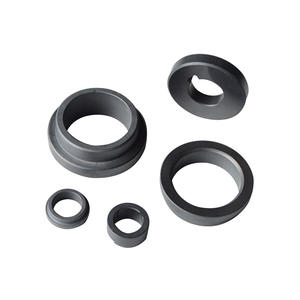
Silicon Nitride Ceramic Rings
Features of Silicon Nitride Ceramic Rings
Silicon Nitride Ceramic Rings Specifications
|
Applications of Silicon Nitride Ceramic Rings
Mechanical Engineering: Silicon Nitride Ceramic Rings are often used in the manufacture of bearing balls and rings due to their high strength, high hardness and good wear resistance. They can withstand higher loads, reduce the coefficient of friction, and improve the precision and service life of bearings, which are especially suitable for high-speed and high-precision mechanical equipment. Additionally, in mechanical seals, silicon nitride ceramic rings provide effective sealing, minimize leakage, and ensure stable equipment operation under harsh conditions such as high temperature, high pressure, and strong corrosion.
Company Profile
Luoyang Tongrun Nano Technology Co. Ltd. (TRUNNANO) is a trusted global chemical material supplier & manufacturer with over 12-year-experience in providing super high-quality chemicals and nanomaterials, including boride powder, nitride powder, graphite powder, ceramic products, 3D printing powder, etc.
The company has a professional technical department and Quality Supervision Department, a well-equipped laboratory, and equipped with advanced testing equipment and after-sales customer service center.
If you are looking for high-quality Ceramic Products please feel free to contact us or click on the needed products to send an inquiry.
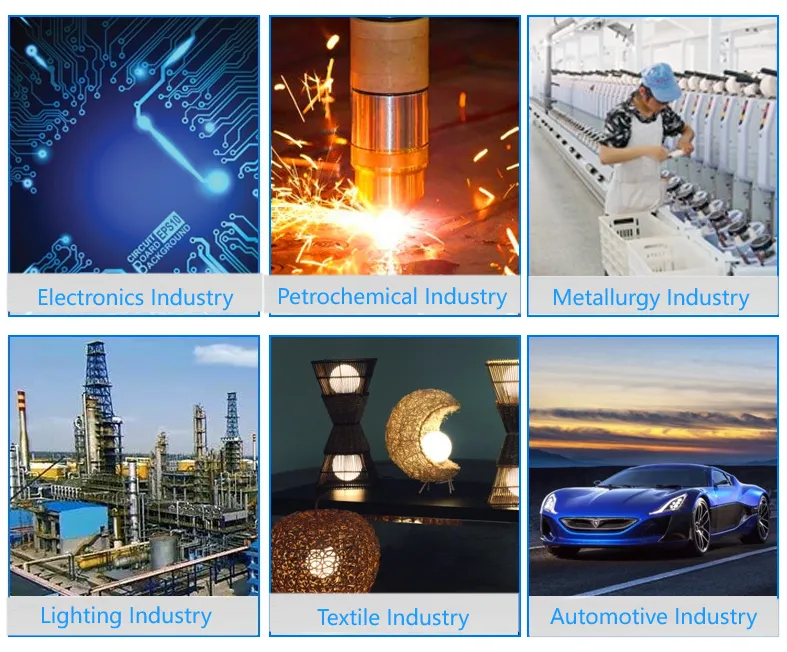
Applications of Ceramic Products
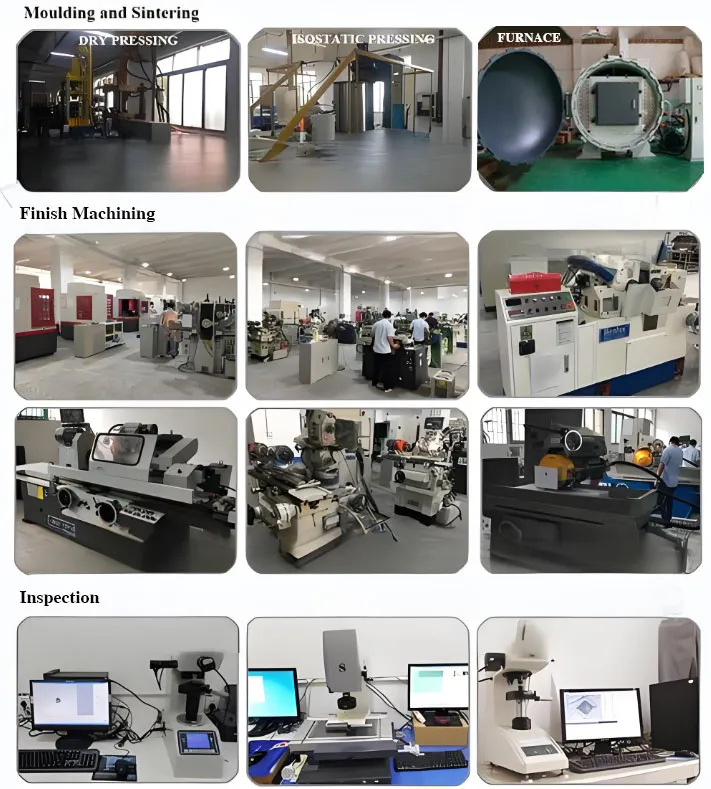
Process of Ceramic Products
Payment Term
T/T, Western Union, Paypal, Credit Card etc.
Shipment Term
By air, by sea, by express, as customers request.
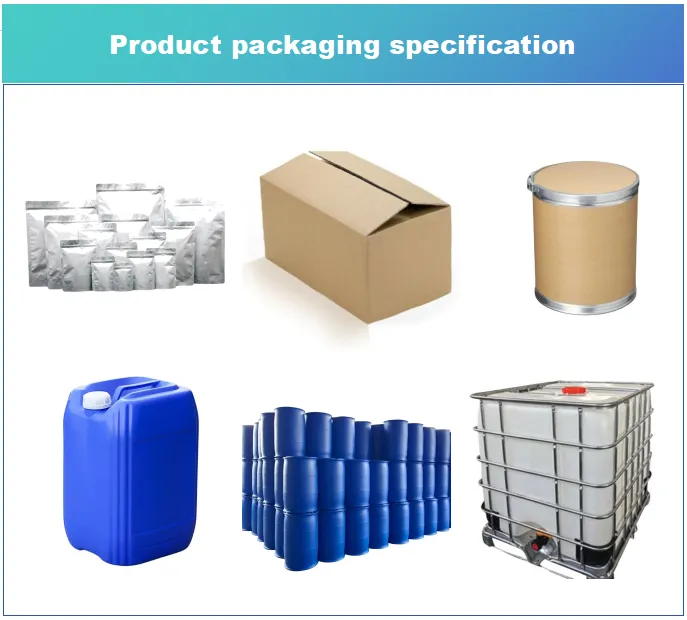
5 FAQs About Silicon Nitride Ceramic Rings
Q1: What advantages do silicon nitride ceramic rings have over metal materials?
Silicon nitride ceramic rings have a hardness over three times that of bearing steel (HV1500-1800) and a density of only 40% that of steel, significantly reducing equipment weight. Their high-temperature resistance of up to 1400°C far exceeds the softening temperature of metals. They excel in high-temperature applications like aero-engine turbine blades. Moreover, they are highly resistant to corrosive environments such as acids and alkalis, unlike metal materials prone to oxidation and corrosion.
Q2: Why are silicon nitride ceramic rings more expensive?
The high cost of silicon nitride ceramic rings is due to the requirement of high-purity silicon powder (over 99.9%) and a complex manufacturing process. For instance, hot pressing sintering at temperatures above 1800°C and the addition of rare earth oxides (e.g., Y₂O₃) as sintering aids in high energy and equipment costs. Additionally, their high hardness necessitates diamond tools for processing, further increasing production costs.
Q3: How can the wear resistance of silicon nitride ceramic rings be improved?
Despite high hardness, silicon nitride ceramics may wear due to brittle fracture under dynamic friction or impact loads. Wear resistance can be enhanced through material modification (e.g., grain refinement), surface coating (e.g., diamond film deposition), or optimized usage conditions (avoiding high-speed sliding). For example, nanotechnology can improve microstructure, reduce defects, and increase toughness.
Q4: Can silicon nitride ceramic rings replace traditional ceramic materials?
Compared to alumina ceramics, silicon nitride offers 2-3 times higher flexural strength (800-1200 MPa) and better thermal shock resistance (ΔT critical value > 800°C), making it suitable for high-temperature environments. Its fracture toughness (6-9 MPa・m^(1/2)) surpasses that of silicon carbide, making it ideal for components subjected to alternating stresses. However, in applications requiring superior electrical insulation, alumina remains advantageous.
Q5: How stable are silicon nitride ceramic rings at high temperatures?
Silicon nitride can withstand prolonged exposure to air temperatures up to 1200°C with short-term resistance to 1600°C. At high temperatures, a dense SiO₂ oxide layer forms on the surface, preventing further oxidation. However, at extremely high temperatures above 1400°C or in oxygen-rich environments, "reactive oxidation" may occur, generating volatile SiO gases that lead to material loss. This can be mitigated through coatings or controlled atmospheres.