Overview of Silicon Nitride Ceramic Structural Components
Silicon nitride ceramic structural components are high - performance ceramic parts primarily composed of silicon nitride (Si₃N₄). They possess a suite of excellent properties, including high strength, hardness, temperature resistance, wear resistance, and corrosion resistance. Silicon nitride ceramic structural components are widely used in machinery manufacturing, aerospace, electronics, chemical industry, etc.
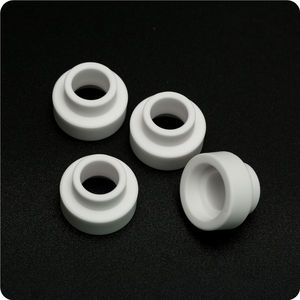
Features of Silicon Nitride Ceramic Structural Components
High Strength and Hardness: These components exhibit extremely high strength and hardness, second only to a few super-hard materials like diamond. This enables them to maintain a stable shape and performance under high pressure and load, making them suitable for manufacturing machining tools, molds, and other components that need to withstand high-speed cutting and heavy-load processing.
Specifications Table of Silicon Nitride Ceramic Structural Components
|
Applications of Silicon Nitride Ceramic Structural Components
Mechanical Industry: Silicon Nitride Ceramic Structural Parts are used in the manufacture of cutting tools; their high hardness and wear resistance make the cutting efficient for long tool life; the manufacture of bearings can be in high speed, high load conditions, stable operation, reduce friction loss, improve the reliability and efficiency of the mechanical system.
Company Profile
Luoyang Tongrun Nano Technology Co. Ltd. (TRUNNANO) is a trusted global chemical material supplier & manufacturer with over 12-year-experience in providing super high-quality chemicals and nanomaterials, including boride powder, nitride powder, graphite powder, ceramic products, 3D printing powder, etc.
The company has a professional technical department and Quality Supervision Department, a well-equipped laboratory, and equipped with advanced testing equipment and after-sales customer service center.
If you are looking for high-quality Ceramic Products please feel free to contact us or click on the needed products to send an inquiry.
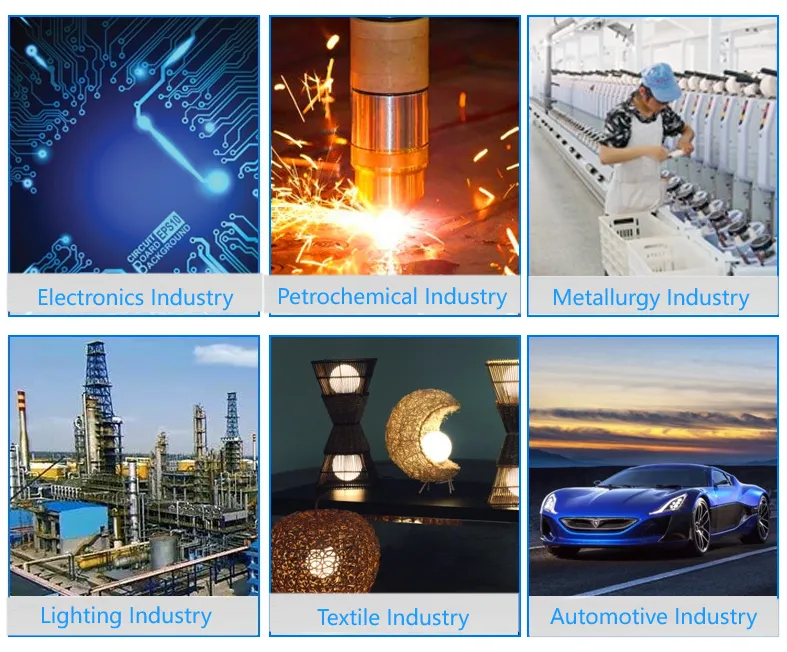
Applications of Ceramic Products
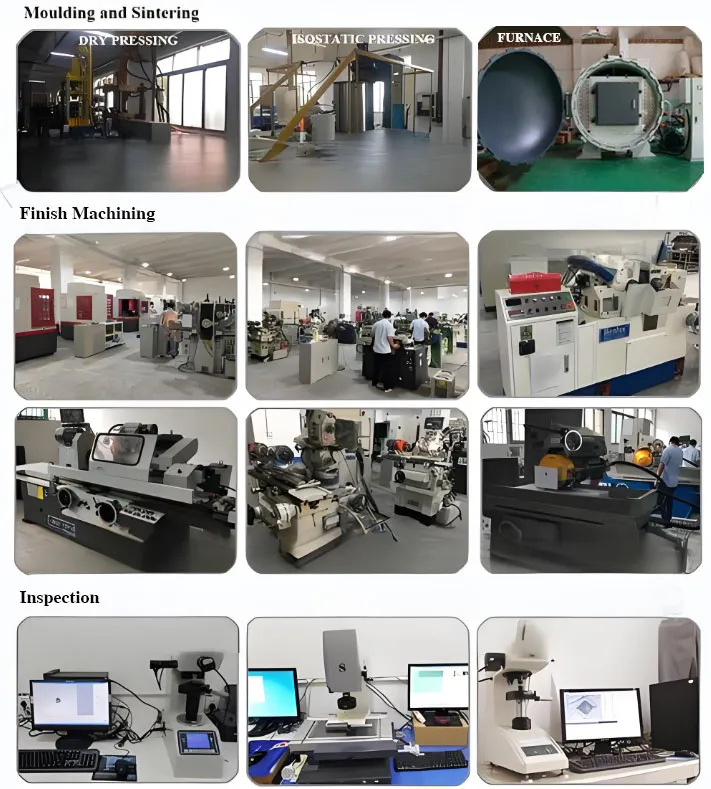
Process of Ceramic Products
Payment Term
T/T, Western Union, Paypal, Credit Card etc.
Shipment Term
By air, by sea, by express, as customers request.
5 FAQs About Silicon Nitride Ceramic Structural Components
Q1: How do different manufacturing processes affect the properties of silicon nitride ceramics?
The main processes include reaction sintering, hot press sintering, and gas pressure sintering. Reaction sintering is cost-effective and suitable for complex structures, but it results in a lower density (2.2 - 2.7 g/cm³) and flexural strength (200 - 400 MPa). Hot press sintering achieves higher density (up to 3.2 g/cm³) and flexural strength (600 - 800 MPa) through high-temperature and high-pressure densification, but it requires special molds and has higher production costs. Gas pressure sintering, conducted in a high-temperature, high-pressure nitrogen environment, produces silicon nitride ceramics with high density (> 99%) and high strength (flexural strength > 850 MPa), making it ideal for high-end applications like aerospace.
Q2: What are the typical applications of silicon nitride ceramic structural components?
In machinery manufacturing, silicon nitride bearing balls have a low friction coefficient (0.1) and a lifespan over five times that of steel bearings, making them widely used in high-speed precision machine tools. In new-energy vehicles, silicon nitride turbocharger rotors can withstand temperatures up to 1000°C, improving engine efficiency by 15%. In the semiconductor industry, high-thermal-conductivity silicon nitride substrates (thermal conductivity > 100 W/m・K) are used in silicon carbide power module packaging, enabling 800V high-voltage fast-charging technology. Additionally, their biocompatibility makes them an ideal material for artificial joints, with a significantly lower risk of rejection compared to metal implants.
Q3: How to solve the brittleness problem of silicon nitride ceramics?
Toughening can be effectively achieved through microstructural design. For example, liquid-phase sintering of powders with high α - α-phase content (> 90%) results in the formation of long, columnar β - Si₃N₄ grains, which can enhance fracture toughness up to 6 - 8 MPa/m¹/² through the crack - bridging mechanisms. The addition of silicon carbide nanoparticles (5 - 10 wt%) introduces residual compressive stresses and inhibits crack extension, further increasing fracture toughness to 9 MPa・m¹/². Carbon fiber-toughened silicon nitride composites can achieve a fracture toughness of up to 12 MPa・m¹/² while maintaining high strength through the fiber pull-out mechanism.
Q4: How do I choose between silicon nitride ceramics and other ceramic materials?
Compared to alumina ceramics, silicon nitride offers three times higher flexural strength and five times better thermal shock resistance but costs two to three times more, making it suitable for high-temperature, high-stress scenarios. Compared to silicon carbide, silicon nitride has 40% higher fracture toughness and is easier to process, giving it an advantage in applications like bearings and seals. In semiconductor packaging, the thermal conductivity of silicon nitride substrates (90 W/m・K) is comparable to that of aluminum nitride, but the cost is 30% lower, making it the preferred choice for SiC power modules.
Q5: What should I pay attention to when using silicon nitride ceramic structural components?
Avoid direct contact with hydrofluoric acid or concentrated strong bases (e.g., > 30% NaOH solution) during installation to prevent chemical corrosion. In high-temperature environments (> 1200°C), oxidation resistance should be improved through coating (e.g., Si₂N₂O oxide) or structural design (e.g., gradient materials). For machining, diamond grinding wheels or laser cutting is recommended to avoid micro-cracks caused by machining. Non - destructive testing (e.g., ultrasonic flaw detection) is required for dynamically loaded parts to exclude internal defects.