General Introduction of Aluminum Oxide Components
Aluminum oxide components are industrial parts that use aluminum oxide (Al₂O₃) as the main material. With its excellent physical, chemical and mechanical properties, this type of component occupies an important position in many fields, such as electronics, machinery, chemical industry, aerospace, medical treatment, etc., and has become an indispensable key material for modern industry.
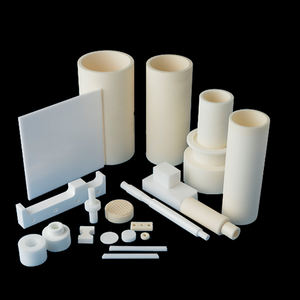
aluminum oxide components
Characteristics of aluminum oxide components
Hardness and abrasion resistance: The Mohs hardness of alumina components reaches grade 9, second only to diamond, which can work stably for a long time under the harsh environment of high friction and strong impact, significantly prolonging the service life of parts and components, and is commonly used in mechanical seals, grinding balls and other wear-resistant scenarios.
Insulation performance: the dielectric strength of alumina components exceeds 15 kV/mm, can withstand high-voltage environments without leakage, and is the ideal choice for electronic insulation parts such as integrated circuit substrates, chip packaging materials, etc., which can effectively protect the safe operation of equipment.
Chemical stability: Alumina components are highly resistant to strong acids, alkalis and other chemical media and can be used in the chemical industry to manufacture corrosion-resistant pipelines, valves and reactor linings, ensuring stable operation of equipment in complex chemical environments.
Thermal stability: Alumina components have a low coefficient of thermal expansion (7.5-8.0×10-⁶/K) and can maintain dimensional stability over a wide temperature range from - 50°C to 1700°C, avoiding deformation or cracking due to thermal expansion and contraction, which makes them suitable for use in extreme temperature scenarios, such as aerospace engines and high-temperature industrial equipment.
In addition, alumina components can be customized to produce discs, rods, tubes and other shapes through various molding processes (e.g., molding, injection molding, etc.) with a surface roughness of less than 0.5 µm and a dimensional tolerance control of ±0.1 mm, to meet the precision needs of different industries.
Aluminum oxide component specifications
|
Diversified application scenarios of alumina components
Electronics and Semiconductors
Insulating components: IC substrates and chip packaging materials to ensure the safety of equipment under high-voltage and high-power environments.
Sensors and capacitors: utilizing stable chemical properties and high hardness, adapting to signal transmission and energy storage needs in complex environments.
Mechanical Engineering
Wear-resistant components: bearings, seals, and grinding balls to reduce wear and tear and minimize maintenance costs in high-load, high-rpm systems.
Precision molds: with high-temperature resistance and accuracy retention ability to meet the needs of precision parts processing.
Chemical and Energy
Corrosion-resistant equipment: Pipes, valves, and reactor linings in strong acid/alkali environments to extend equipment life.
Environmental protection devices: corrosion-resistant components for chemical waste gas treatment and sewage treatment.
Aerospace and automotive industry
High-temperature components: engine heat shields and combustion chamber components to maintain stable performance at extreme temperatures.
Electronic insulating parts: insulating parts for avionics to ensure system reliability.
Healthcare
Biocompatible implants: artificial joints and dental implants with non-toxic, low-wear characteristics, compatible with human tissue to enhance the life of medical equipment and patient comfort.
Company Profile
Luoyang Tongrun Nano Technology Co. Ltd. (TRUNNANO) is a trusted global chemical material supplier & manufacturer with over 12-year-experience in providing super high-quality chemicals and nanomaterials, including boride powder, nitride powder, graphite powder, ceramic products, 3D printing powder, etc.
The company has a professional technical department and Quality Supervision Department, a well-equipped laboratory, and equipped with advanced testing equipment and after-sales customer service center.
If you are looking for high-quality Ceramic Products please feel free to contact us or click on the needed products to send an inquiry.
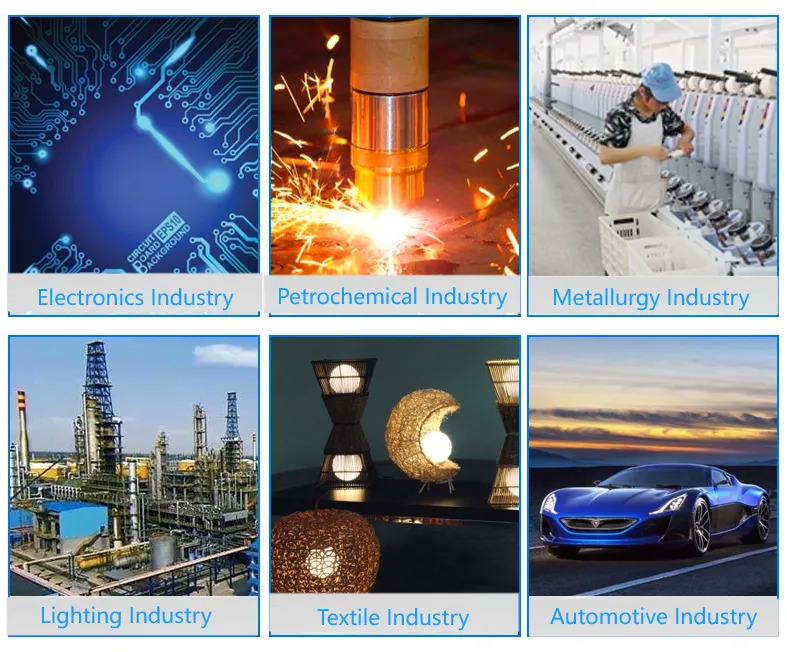
Applications of Ceramic Products
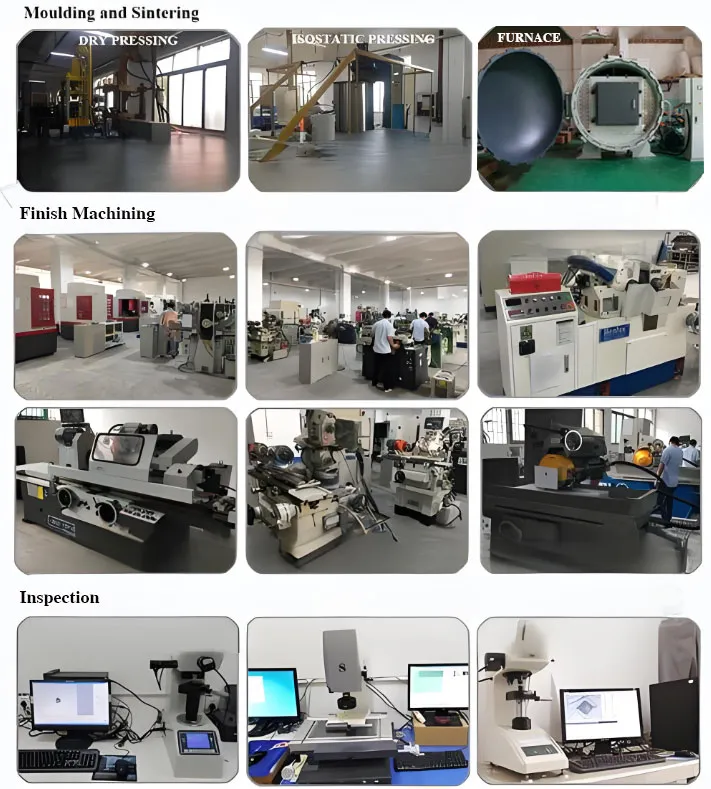
Process of Ceramic Products
Payment Term
T/T, Western Union, Paypal, Credit Card etc.
Shipment Term
By air, by sea, by express, as customers request.
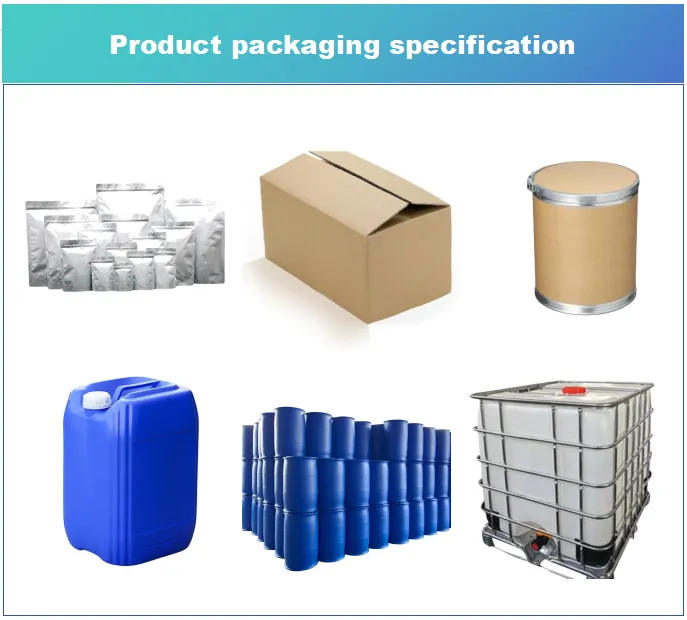
5 FAQs of Aluminum Oxide Components
Q1: Why do aluminum oxide components have excellent wear resistance?
The high hardness of aluminum oxide (Al₂O₃) (Mohs 9) makes it extremely resistant to wear and tear, making it suitable for long-term friction scenarios and reducing equipment maintenance costs.
Q2: What is the chemical stability of aluminum oxide components?
Alumina components are resistant to most strong acids and alkalis and remain inert in chemical media, making them a core material for corrosion-resistant equipment.
Q3: Is the insulation performance of alumina components suitable for high-voltage scenarios?
The dielectric strength of alumina components exceeds 15 kV/mm, which makes them a stable insulator in high-voltage environments, and they are widely used in the safety protection of electronic equipment.
Q4: What are the thermal expansion characteristics of alumina components?
Alumina components have a low coefficient of thermal expansion (7.5-8.0×10-⁶/K), with small dimensional fluctuations when the temperature changes drastically, making them suitable for alternating high and low-temperature working conditions.
Q5: What is the principle of the application of aluminum oxide in the medical field?
With its biocompatibility (non-toxicity, low immune response) and wear resistance, alumina is used in artificial joints and other implants to reduce wear-induced inflammation and improve patients' quality of life.