Overview of Aluminum Nitride Substrates
Aluminum nitride substrate is a cutting-edge electronic material with high thermal conductivity, enabling rapid heat dissipation and making it ideal for high-power electronic devices. In addition, its excellent electrical insulation properties help prevent short circuits. At the same time, the aluminum nitride substrate has the advantage of a low dielectric constant and a low coefficient of thermal expansion, which makes it highly compatible with semiconductor materials. It is commonly used in fields such as 5G communication, LEDs, and power modules, which help electronic devices develop towards miniaturization and high performance. It is a crucial basic material for the modern electronics industry.

Aluminum Nitride Substrate
Characteristics of Aluminum Nitride Substrate
High thermal conductivity
The thermal conductivity is as high as 170-220 W/m · K (at room temperature), which effectively transfers heat from electronic components, ensuring the equipment maintains a stable temperature during operation and prolongs the life of the components, thereby improving performance.
Reliable electrical insulation
Dielectric strength greater than 15 kV/mm and volume resistivity greater than 10¹⁴ Ω·cm (at 25°C) effectively prevents current leakage and circuit short-circuiting, ensuring the safe operation of electronic equipment.
Low dielectric constant
The dielectric constant of 8.5-9.5 (1 MHz) helps reduce loss during signal transmission and improves signal quality, making it suitable for high-frequency communication scenarios.
Low coefficient of thermal expansion match
The coefficient of thermal expansion of 4.5-5.0 ppm/°C is similar to that of semiconductor materials such as silicon, which allows for better matching with chips and other components, reduces stress problems caused by inconsistent thermal expansion, and enhances overall structural stability.
Aluminum Nitride Substrates Specification Sheet
|
Applications of Aluminum Nitride Substrates
Electronic packaging field: widely used in high-frequency, high-power integrated circuit packaging, effectively solving the chip heat dissipation problem to ensure stable operation of circuits under high loads, and is the core material for key components such as power amplifiers in 5G base stations.
The 5G communication field: low dielectric constant and high thermal conductivity make it suitable for base station RF modules, improving signal transmission efficiency and reducing power consumption, which helps ensure the high-speed and stable operation of the 5G network.
The LED lighting industry: as a heat dissipation substrate, it significantly enhances the heat dissipation performance of LED lamps and lanterns, prolongs their service life, maintains good optical performance, and promotes the development of high-power LED lighting.
Automotive electronics: Used in power module packaging for electric vehicles to provide reliable heat dissipation and insulation for high-voltage, high-current electronic components, enhancing the safety and durability of vehicle electronics systems.
Aerospace: Lightweight, high-strength, and high-temperature characteristics make it an ideal material for electronic control systems of satellites and airplanes, ensuring the stable operation of the equipment in extreme environments.
Company Profile
Luoyang Tongrun Nano Technology Co. Ltd. (TRUNNANO) is a trusted global chemical material supplier & manufacturer with over 12-year-experience in providing super high-quality chemicals and nanomaterials, including boride powder, nitride powder, graphite powder, ceramic products, 3D printing powder, etc.
The company has a professional technical department and Quality Supervision Department, a well-equipped laboratory, and equipped with advanced testing equipment and after-sales customer service center.
If you are looking for high-quality Ceramic Products please feel free to contact us or click on the needed products to send an inquiry.
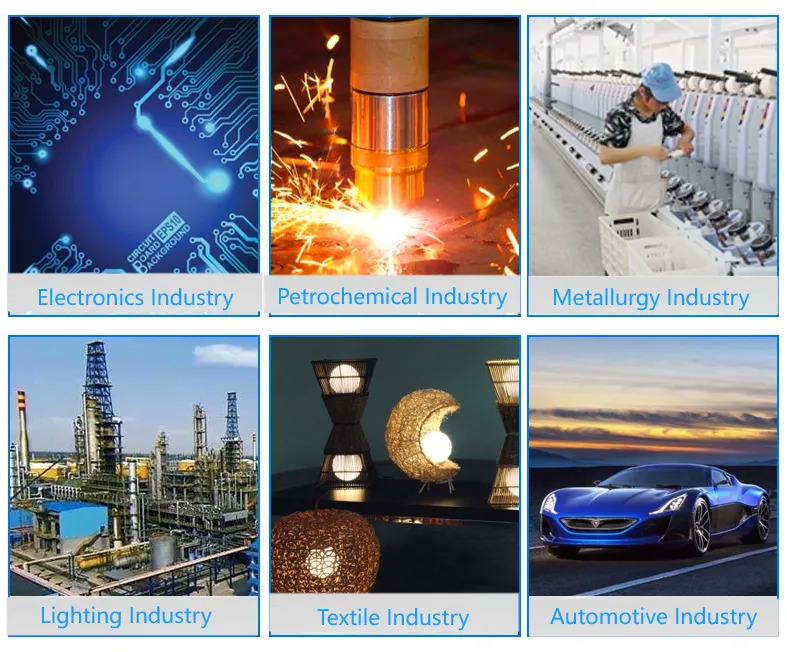
Applications of Ceramic Products
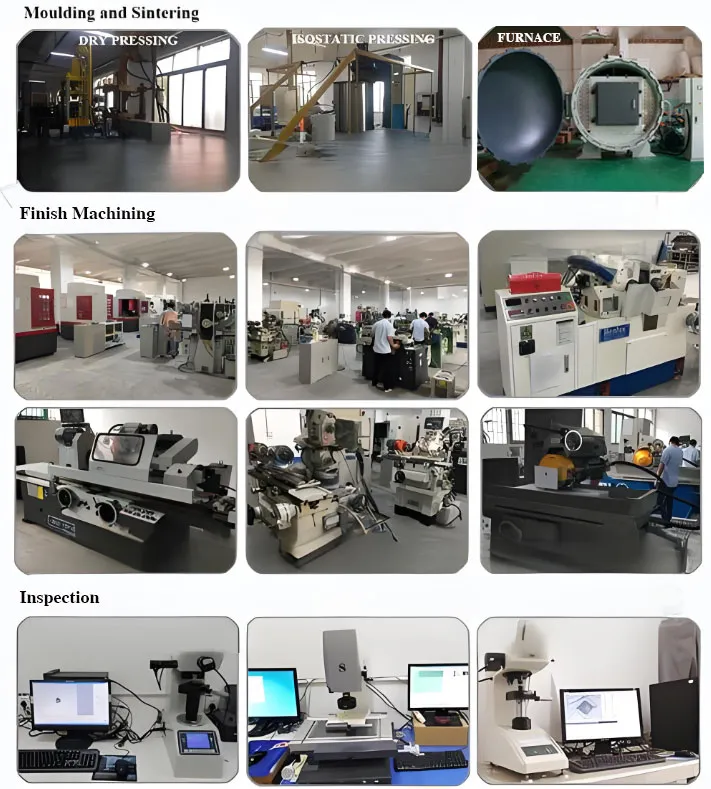
Process of Ceramic Products
Payment Term
T/T, Western Union, Paypal, Credit Card etc.
Shipment Term
By air, by sea, by express, as customers request.
5 FAQs about Aluminum Nitride Substrates
Q1: What are the production processes for Aluminum Nitride substrates?
Common preparation processes include casting, direct copper bonding (DCB), active metal brazing (AMB), thick film printing (TFT), electrodeposited copper (EDC), chemical copper plating (CCP), and direct copper plating (DCP), among others. The DBC process involves the high-temperature sintering of copper foil and ceramics. The AMB process forms a thin film by adding an active metal between the copper foil and ceramics. The casting method is suitable for mass production. The AMB process adds an active metal between the copper foil and ceramic to form a thin film.
Q2: Can Aluminum Nitride substrates be made into multilayer boards?
Yes, it can be made into multilayer boards, but this is technically challenging and requires specialized processes, such as low-temperature co-firing (LTCC) or high-temperature co-firing (HTCC).
Q3: What are the main application areas of Aluminum Nitride substrate?
It is widely used in 5G communication, LED lighting, power electronics, automotive electronics, aerospace, military defense and other fields. For example, power amplifiers for 5G base stations, heat dissipation substrates for LED lighting, and power module packages for electric vehicles.
Q4: Is the cost of aluminum nitride substrate higher?
Compared to other ceramic materials, the manufacturing cost of aluminum nitride substrates is comparable and often more economical than that of silicon nitride substrates. Although the price is influenced by various factors, including the manufacturing process, material size, encapsulation method, and impurity content, its excellent performance offers a better price-to-performance ratio in many high-performance application scenarios, providing more reliable equipment operation.
Q5: What is the size range of Aluminum Nitride substrates?
The conventional maximum size is about 110mm x 140mm, which is relatively small. Since aluminum nitride substrates are highly brittle and prone to fracture, it is challenging to process large sizes similar to FR4 substrates, as their oversized size is not in line with their material properties.