Overview of Alumina Fiberboard
Alumina fiberboard and alumina sheet are both materials with alumina as the main component. Among them, alumina fiber plate is processed from alumina fiber as raw material, which has the advantages of being lightweight, high strength, high-temperature resistance, heat insulation, etc., and is widely used in aerospace, high-temperature furnace lining and other fields, while alumina plate is a dense plate made by sintering and other processes, which has high hardness, abrasion resistance, and chemical stability, and is suitable for the manufacture of parts and components in electronics, machinery and other industries. The two components are similar, but due to the preparation process and structural differences, the performance focus and application areas are different.
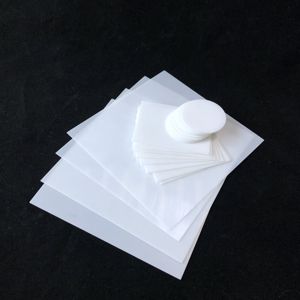
alumina fiberboard
Characteristics of alumina fiberboard
High-temperature resistance and heat insulation performance: alumina fiberboard, using special technology processing of alumina fiber substrate, can maintain a stable structure in extremely high-temperature environments, not easy to deform or damage, and the highest continuous working temperature of 1600 ° C or more. Its internal fiber network structure forms a highly efficient heat insulation layer with a low thermal conductivity of 0.1-0.3 W/m・K, which can effectively block heat transfer, reduce heat loss of industrial equipment and improve energy efficiency.
Lightweight, High Strength and Structural Stability: Despite its low density of 0.6-1.2 g/cm³, the alumina fiberboard has excellent mechanical strength, with a flexural strength of 15-30 MPa, and can withstand dynamic loads and installation stresses. Its low thermal conductivity and low coefficient of thermal expansion (<5×10-⁶/K) make it not easy to crack when the temperature changes drastically, suitable for structural applications under complex working conditions.
Chemical inertia and environmental adaptability: fiberboard has strong resistance to acid, alkali and other chemical media; in a chemically corrosive environment or high-temperature oxidizing atmosphere can still work stably for a long time. At the same time, its non-conductive properties make it can be used as insulation material for electronic equipment to avoid electromagnetic interference and the risk of leakage.
Specification Parameter Table of Alumina Fiberboard
|
Applications of Alumina Fiberboard
Engine thermal protection: used in the manufacture of turbine engine insulation and combustion chamber lining, blocking the erosion of high-temperature gas on the fuselage structure while reducing the weight of the components to improve fuel efficiency.
Aerospace equipment thermal insulation: heat insulation panels for satellite thermal control systems to ensure stable operation of electronic components under extreme temperature differences.
Industrial furnace lining materials: high-temperature furnace and kiln linings for steel, glass, ceramics and other industries, reducing heat loss, lowering the temperature of the outer surface of the furnace wall by 30-50°C, with significant energy-saving effect.
Heat treatment equipment: muffle furnace, annealing furnace insulation, shorten the heating time, improve production efficiency.
Electronic equipment heat dissipation: chipsets and power devices of the thermal insulation gasket to prevent high-temperature damage to the circuit board and improve equipment reliability.
New energy batteries: fire insulation layer between lithium battery modules, inhibit thermal runaway diffusion, to ensure safety.
Automotive and environmental protection industry
Industrial waste gas purification: heat-insulating carrier in VOCs catalytic combustion equipment to improve reaction efficiency and reduce energy consumption.
Heat insulation in high-temperature areas: fireproof partitions in industrial plants and boiler rooms, meeting the design requirement of a fire resistance limit of more than 3 hours.
Tunnel and subway fire protection: fire retardant heat insulation layer for cable tunnels, slowing down the spread of fire and buying time for evacuation.
Company Profile
Luoyang Tongrun Nano Technology Co. Ltd. (TRUNNANO) is a trusted global chemical material supplier & manufacturer with over 12-year-experience in providing super high-quality chemicals and nanomaterials, including boride powder, nitride powder, graphite powder, ceramic products, 3D printing powder, etc.
The company has a professional technical department and Quality Supervision Department, a well-equipped laboratory, and equipped with advanced testing equipment and after-sales customer service center.
If you are looking for high-quality Ceramic Products please feel free to contact us or click on the needed products to send an inquiry.
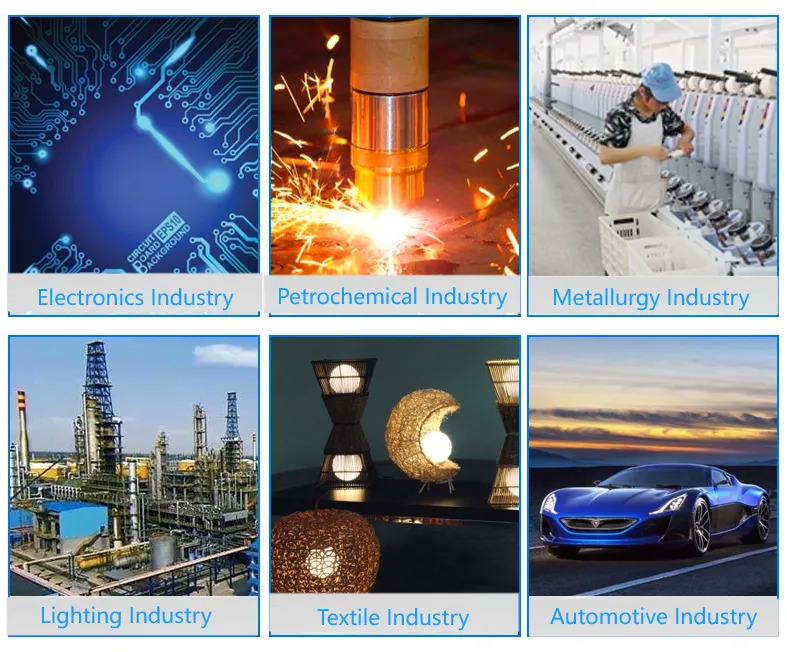
Applications of Ceramic Products
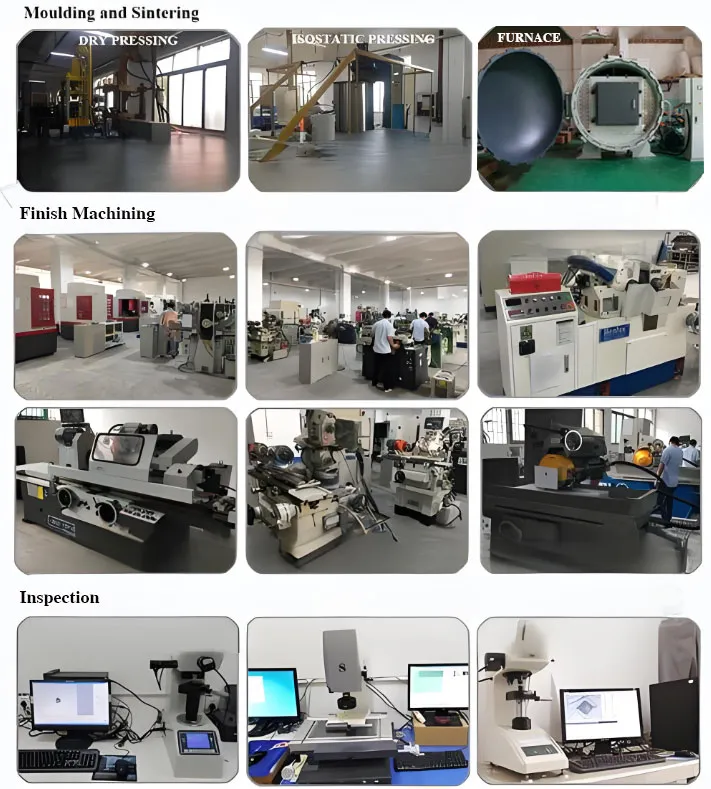
Process of Ceramic Products
Payment Term
T/T, Western Union, Paypal, Credit Card etc.
Shipment Term
By air, by sea, by express, as customers request.
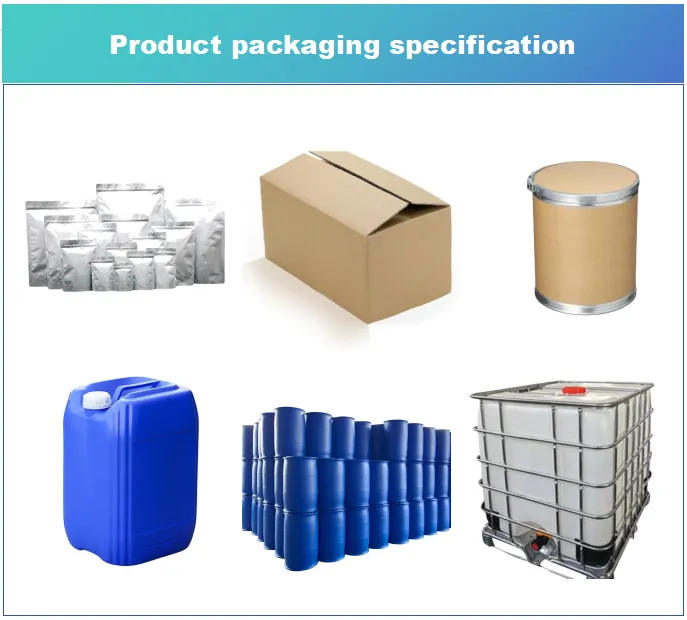
Five questions about alumina fiberboard
Q1: What is the difference between alumina fiberboard and traditional ceramic fiberboard?
Alumina fiberboard has higher Al₂O₃ content (≥90% vs. 45-55% for ceramic fibers), better high-temperature resistance (1600°C vs. 1260°C), and stronger oxidation resistance, which makes it suitable for high-temperature scenarios with higher precision.
Q2: Does the production process of fiberboard affect environmental protection?
The company adopts a water-based sol process, no volatile organic compounds (VOCs) emission, and the production wastewater can be reused after treatment.
Q3: How to judge whether the thermal insulation performance of fiberboard is decaying?
It can be evaluated by measuring the change in thermal conductivity. If the measured value increases by more than 20% compared to the initial value, it is recommended to check whether the fiber crystals are coarsened due to long-term high temperature and replace them if necessary.
Q4: Can fiberboard be used in direct contact with molten metal?
No, it is not recommended. Its advantage lies in heat insulation at the gas-solid interface. Direct contact with liquid metals (e.g., iron, aluminum) may lead to erosion, and it should be used with barrier materials such as refractory bricks.
Q5:How do we avoid fiberboard damage during transportation?
The products are packed in wooden boxes + pearl cotton double-layer packaging and need to be lifted horizontally during transportation, prohibiting vertical lifting or throwing. Long-distance transportation is recommended to choose shock-proof logistics to avoid violent bumps.