Overview of Alumina Crucible
Alumina crucible is a high-temperature resistant experimental apparatus made of high-purity alumina (Al₂O₃) as the main raw material, which has the characteristics of high-temperature resistance, corrosion resistance, excellent chemical stability and so on. It can withstand high temperatures over 1700℃ and is suitable for metal melting, ceramic sintering and other chemical experiments and material preparation processes. The inner wall of the crucible is smooth, which is not easy to react with the experimental materials and guarantees the accuracy of the experiments. The price varies according to the specification, capacity and purity. Small crucibles usually cost tens to hundreds of dollars, while large or high-purity products cost more. When selecting crucibles, it is necessary to choose the right size and material according to the experimental needs to ensure the experimental effect and cost-effectiveness.
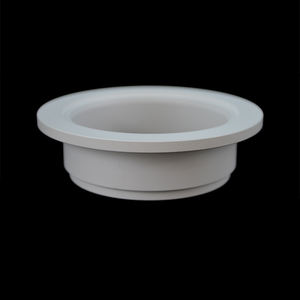
Alumina Crucible
Characteristics of Alumina Crucible
Extreme High-Temperature Resistance: The Alumina crucible is made of alumina raw material with purity ≥99.5%, which can withstand continuous high temperatures up to 1700℃ and is suitable for severe high-temperature scenarios such as metal melting (e.g., iron, copper alloy), ceramic glaze sintering, glass phase synthesis, etc. The dense sintering structure effectively inhibits the sintering process and makes the crucible more durable. Its dense sintered structure effectively inhibits crystal transformation and volatilization at high temperatures, ensuring long-term stability.
Thermal Stability and Thermal Shock Resistance: With a coefficient of thermal expansion as low as 6-8×10-⁶/K, the crucible can withstand rapid ramp-ups and ramp-downs (e.g., a sudden heat surge from room temperature to 1,200°C) without rupturing, avoiding interruption of experiments or safety risks due to thermal shock. Measured data show that after 100 cycles of 1200°C - room temperature cycling, the crucible loses <0.5% of its weight and maintains >95% of its structural integrity.
Chemical Inertness and Corrosion Resistance: The crucible exhibits excellent resistance to strong acids (e.g., hydrochloric acid, sulfuric acid), strong bases (e.g., sodium hydroxide) and most molten salts, and only needs to be protected from direct contact with reactive substances such as lead, tin, silica, and rare-earth compounds. In hydrofluoric acid environments, for example, it is recommended that specially coated crucibles be used for added protection.
Precision machining and easy cleaning: polished interior (roughness Ra<0.8μm) reduces sample adhesion and facilitates cleaning. The standard size tolerance is controlled at ±0.1mm, and various shapes, such as cylindrical, conical, and boat-shaped, are available. The capacity ranges from 5mL to 5000mL, which meets the needs of micro-analysis to industrial-scale mass production.
Aluminum Oxide Crucible Specifications
|
Applications of Alumina Crucible
Chemical and material science research
High-temperature synthesis reaction: for the preparation of metal oxides, ceramic powders, catalyst carriers, etc., such as the synthesis of LiCoO₂, the anode material for lithium-ion batteries, through solid-phase reaction.
Trace analysis: Due to the impurity dissolution rate < 0.001ppm, it is suitable for trace element analysis of geological samples and high-purity metals, avoiding container contamination to interfere with the results.
Industrial production and manufacturing
Specialty metal melting: melting titanium alloys and nickel-based high-temperature alloys in vacuum or inert atmosphere furnaces to ensure melt purity.
Electronic ceramics preparation: as a sintering vessel for electronic packaging substrates (e.g., Al₂O₃ ceramics) to guarantee the consistency of dielectric constant and thermal conductivity.
Energy and Environment
Fuel cell R&D: High-temperature preparation of electrolyte for molten carbonate fuel cell (MCFC), resistant to carbonate corrosion at 650°C.
Waste treatment: high-temperature incineration and ashing of medical waste, effective decomposition of pathogens and persistent organic pollutants (POPs).
Semiconductor and Photovoltaic Industries
Epitaxial wafer growth: Annealing process vessels on sapphire substrates (Al₂O₃) to ensure crystal defect density < 10³/cm².
Photovoltaic glass coating: Provide stable support during high-temperature curing of coating solution to avoid sodium ion contamination affecting light transmission.
Company Profile
Luoyang Tongrun Nano Technology Co. Ltd. (TRUNNANO) is a trusted global chemical material supplier & manufacturer with over 12-year-experience in providing super high-quality chemicals and nanomaterials, including boride powder, nitride powder, graphite powder, ceramic products, 3D printing powder, etc.
The company has a professional technical department and Quality Supervision Department, a well-equipped laboratory, and equipped with advanced testing equipment and after-sales customer service center.
If you are looking for high-quality Ceramic Products please feel free to contact us or click on the needed products to send an inquiry.
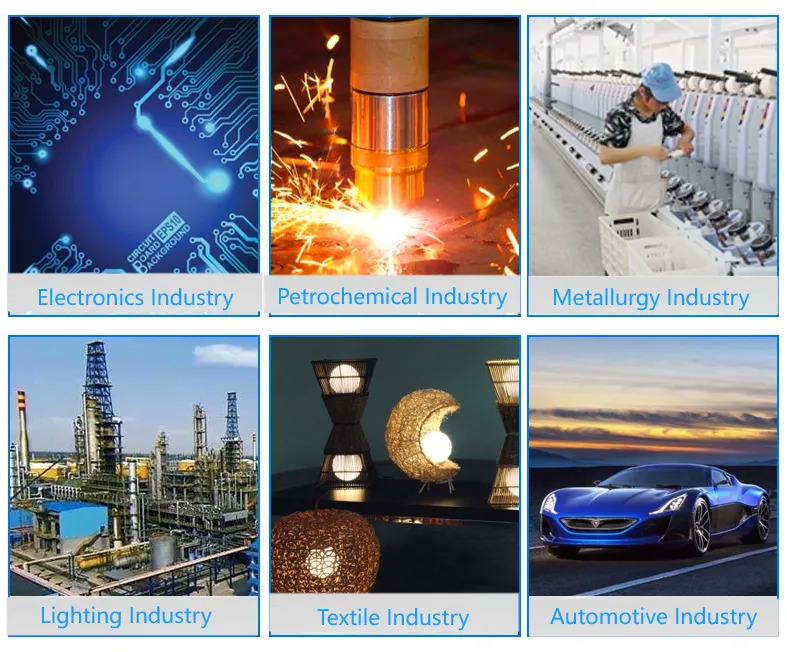
Applications of Ceramic Products
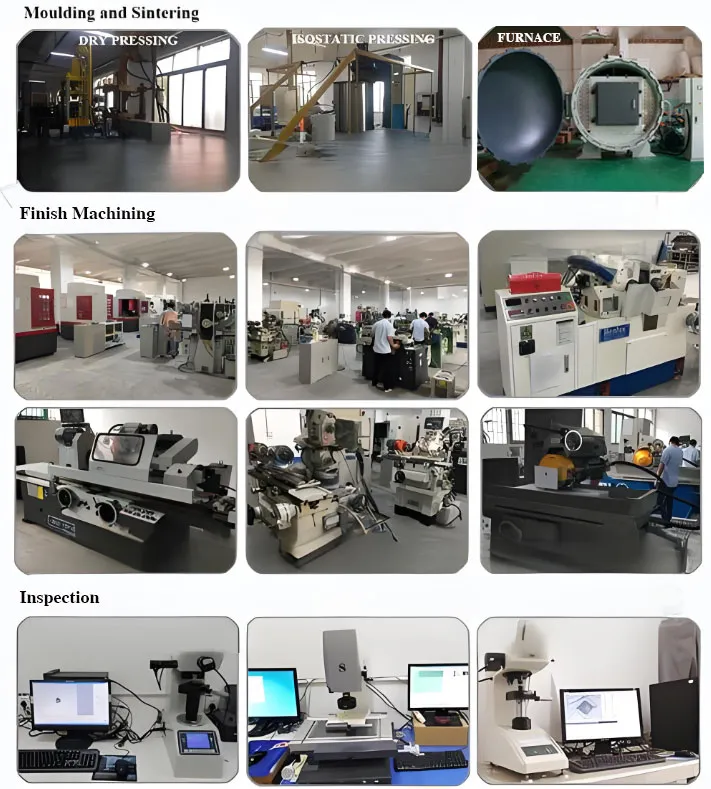
Process of Ceramic Products
Payment Term
T/T, Western Union, Paypal, Credit Card etc.
Shipment Term
By air, by sea, by express, as customers request.
Five Frequently Asked Questions about Alumina Crucible
Q1: How to clean the alumina crucible properly?
Routine cleaning: after rinsing with deionized water, use a soft bristle brush dipped in neutral detergent to brush lightly; avoid using hard tools such as a steel wire ball.
Stubborn stains treatment: put the crucible in a muffle furnace, 1000 ℃ burning for 30 minutes; organic residues can be converted into CO₂ volatilization, metal oxide residues are converted into soluble salts, followed by soaking in dilute hydrochloric acid (10%) and then rinsing.
Q2: Which substances can't be melted with an alumina crucible?
Alkali metals and alkaline-earth metals (e.g., strongly basic compounds of Na, K, Mg);
Easily reducible metals (e.g., Pb, Sn, Bi, which may react with Al₂O₃ to form Al metal);
Fluorine-containing compounds (e.g., NaF, HF, which will corrode Al₂O₃ to generate volatile AlF₃).
Q3:What factors affect the crucible life?
It mainly depends on the use temperature, load type and operation habit. For example:
If the crucible is used for a long period at temperatures close to the limit of 1700°C, the lifetime may be shortened to less than 50 cycles;When melting highly viscous samples (e.g., glass liquids), the inner wall needs to be checked regularly for erosion, and non-destructive testing is recommended after every 10 uses.
Q4:Difference between high purity and common alumina crucible?
Purity difference: High purity crucible (Al₂O₃ ≥99.9%) with Fe, Na, and other impurities < 10ppm is suitable for semiconductors, high purity materials and other precision scenarios; ordinary crucible (Al₂O₃ 99.5%) is suitable for routine industrial applications.
Density difference: the density of high-purity products is ≥3.98 g/cm³, which is more dense and the anti-penetration performance is improved by more than 30%.
Q5: How to avoid crucible breakage during transportation?
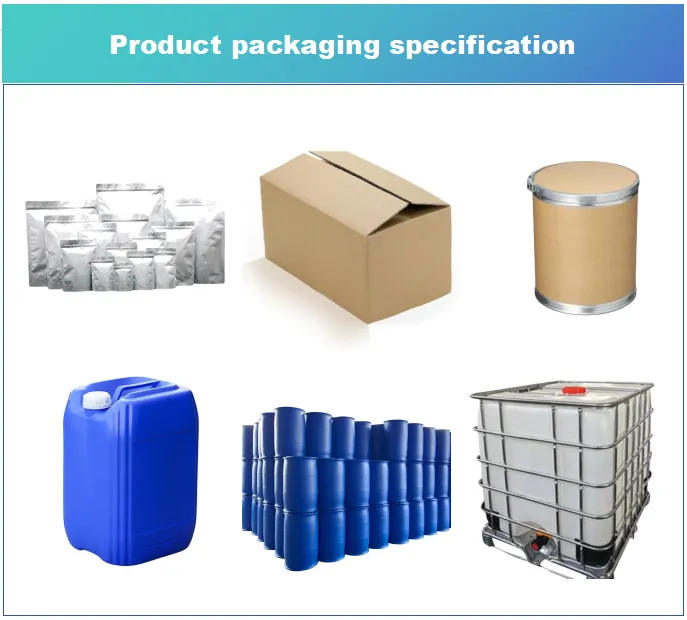
Industrial grade products are packed in 5-layer corrugated cartons + honeycomb foam liner, limited to 10-20 pieces per carton;
Precision grade products use solid wood anti-vibration wooden cases filled with nitrogen gas bags to prevent shaking, and we suggest choosing special line logistics transportation.