Ceramic filler pumps are specialized pumps with key ceramic-material components. Ceramics offer wear resistance, corrosion resistance, high hardness, and a long service life. These pumps are used to transport corrosive, abrasive, or high-temperature liquid media and are widely applied in the chemical, pharmaceutical, electronic, and environmental protection industries. They operate similarly to centrifugal or positive displacement pumps but leverage ceramic advantages for harsh conditions, ensuring stable and reliable performance.
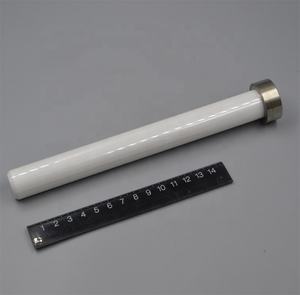
Ceramic Filler Pumps
|
Chemical and Pharmaceutical Industries: Ceramic filler pumps excel in conveying highly corrosive solutions like sulfuric acid, hydrochloric acid, and sodium hydroxide. Their corrosion resistance ensures stable medium transport, extends equipment life, and cuts maintenance costs. In pharmaceutical processes, the pumps meet strict cleanliness and corrosion-resistance requirements, ensuring the quality and safety of pharmaceutical production.
Electronic Manufacturing: In semiconductor and chip manufacturing, ceramic filler pumps transport high-purity chemical reagents and ultrapure water. Their high-purity, low - low-contamination characteristics guarantee medium purity, preventing impurities from affecting production and enhancing electronic product quality.
Environmental Protection Field: Ceramic filler pumps are used in wastewater and exhaust gas treatment. They transport wastewater with heavy metal ions or acidic/alkaline wastewater without corrosion or leakage. In exhaust gas treatment, they convey chemical absorbent solutions to remove harmful components.
Ceramic Industry: Ceramic filler pumps transport abrasive materials like kaolin and porcelain clay. Their wear resistance ensures stable conveying performance despite the wear from these materials.
Mining Industry: Ceramic filler pumps transport slurry and tailings. Their wear and corrosion resistance combat the abrasive and corrosive effects of slurries.
Company Profile
Luoyang Tongrun Nano Technology Co. Ltd. (TRUNNANO) is a trusted global chemical material supplier & manufacturer with over 12-year-experience in providing super high-quality chemicals and nanomaterials, including boride powder, nitride powder, graphite powder, ceramic products, 3D printing powder, etc.
The company has a professional technical department and Quality Supervision Department, a well-equipped laboratory, and equipped with advanced testing equipment and after-sales customer service center.
If you are looking for high-quality Ceramic Products please feel free to contact us or click on the needed products to send an inquiry.

Applications of Ceramic Products
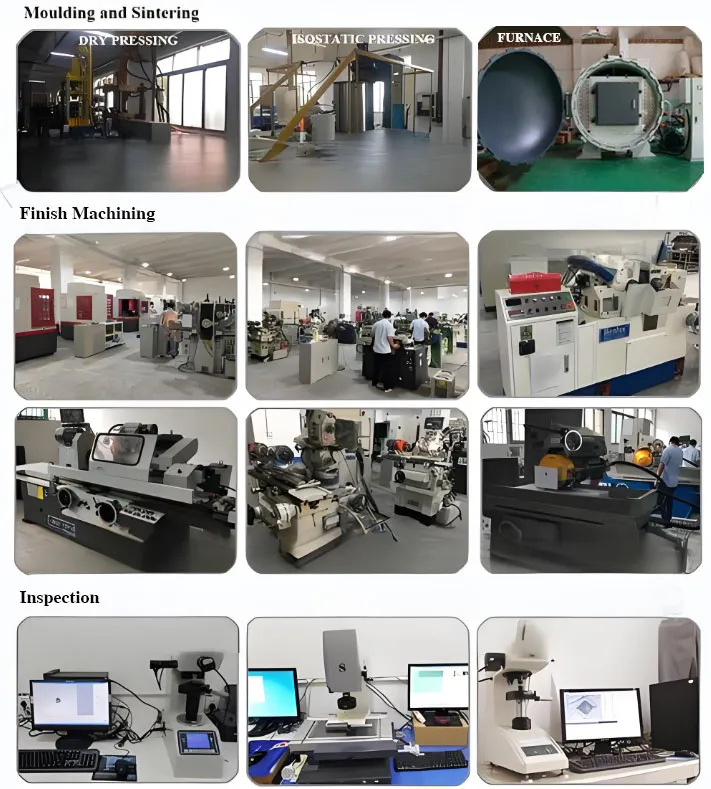
Process of Ceramic Products
Payment Term
T/T, Western Union, Paypal, Credit Card etc.
Shipment Term
By air, by sea, by express, as customers request.
5 FAQs About Ceramic Filler Pumps
Q1: What is the corrosion resistance of ceramic pumps?
Ceramic pumps have excellent acid and alkali resistance, resisting strong acid and alkali erosion to avoid pump body rust and rupture, thus prolonging equipment life.
Q2: What about the filling accuracy of ceramic pumps?
Ceramic filler pumps, made of high-precision advanced ceramic materials and special technologies, have high product precision with a filling accuracy of generally ≤ 0.5%.
Q3: What is the service life and maintenance cost of ceramic pumps?
Ceramic pumps feature a long service life and low maintenance costs. Although their price is slightly higher, their overall value is higher, making them suitable for demanding industries.
Q4: What precautions should be taken when installing ceramic pumps?
The pump inlet should be lower than the liquid source surface and as close as possible to the source. If the pump is installed above the liquid surface, a liquid - filled screw hole or valve should be set in the discharge pipe for pre - startup pump filling. The suction and discharge pipes should have separate supports, with elastic receivers installed at the inlet and outlet to prevent the pipeline's weight from being directly supported by the pump.
Q5: What are the operational precautions for ceramic pumps?
Ceramic pump components can be damaged by thermal stress, so operation with sudden heat or cold should be avoided. Pay attention to the rotation direction during the first use; reverse rotation is strictly prohibited. Before starting the pump, fill the bearing housing with lubricant up to the horizontal center of the oil mark to prevent bearing overheating. During pump operation, regularly lubricate the bearing housing, changing the oil every 300 hours for the first time and then every 3,000 hours.