Ceramic Cutting Blades: High-Performance Cutting Tools
Ceramic cutting blades are considered high-performance cutting tools. These inserts are primarily used for manufacturing processes that involve hard-to-machine metals such as stainless steel, alloy steel, and other high-hardness materials. In machining, it can realize high-precision and high-efficiency cutting with long service life, which can effectively reduce the production cost. Widely used in automobile manufacturing, aerospace, machining and other industries, it is an indispensable and important tool in modern industrial production.
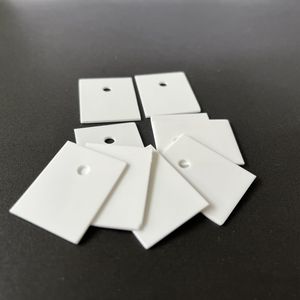
Ceramic Cutting Blades
Features of Ceramic Cutting Blades
High Hardness: Ceramic materials have extremely high hardness, second only to diamond, and can easily cope with the cutting tasks of various high hardness materials, such as stainless steel, alloy steel, high temperature alloys, and so on. This high hardness makes it less prone to wear during the machining process and keeps the cutting edge sharp, thus improving machining precision and surface quality.
Good Wear Resistance: Ceramic cutting blades exhibit a slow rate of wear during extended cutting processes, resulting in a long service life. This reduces the frequency of tool changes and lowers production costs, particularly when processing hard and wear-resistant materials, where their advantages are most evident.
High Temperature Resistance: ceramic material has excellent high temperature resistance, and can maintain stable cutting performance in a high temperature environment. It does not soften or deform at high temperatures like traditional metal tools, so it can withstand higher cutting speeds and greater cutting loads, thus increasing productivity.
Strong Chemical Stability: Ceramic cutting blades demonstrate good chemical stability when in contact with most metal materials. This minimizes chemical reactions with the workpiece material, reducing tool wear and preventing chemical corrosion of the workpiece surface. As a result, the quality of the machined surface is ensured.
High Precision: Ceramic cutting blades are manufactured with high precision, ensuring excellent dimensional and geometric accuracy. This makes them particularly suitable for high-precision part machining, meeting the demands of precision machining processes.
Good Environmental Performance: ceramic inserts do not require to use of a lot of cutting fluid in the process of using, reducing the pollution of the environment. At the same time, its long service life reduces the frequency of tool replacement, further reducing resource consumption and waste generation.
Specifications Table of Ceramic Cutting Blades
| Parameter |
Description |
| Material |
Base material used for the cutting blade |
| Hardness |
Indicates the blade's resistance to wear and deformation |
| Density |
Mass per unit volume of the material |
| Fracture Toughness |
Resistance to crack propagation under stress |
| Thermal Conductivity |
Ability to conduct heat |
| Thermal Expansion Coefficient |
Degree of expansion per degree of temperature increase |
| Maximum Operating Temperature |
Highest temperature at which the blade can operate without degradation |
| Edge Radius |
Radius of the cutting edge, affecting sharpness and durability |
| Cutting Speed |
Recommended speed for cutting operations |
| Feed Rate |
Rate at which the blade advances into the material |
| Depth of Cut |
Maximum depth of cut per pass |
| Coating |
Surface treatment to enhance performance |
| Application |
Typical materials and industries where the blade is used |
| Size and Shape |
Dimensions and form factor of the blade |
| Edge Type |
Type of cutting edge |
|
Applications of Ceramic Cutting Blades
Automotive Manufacturing: In the automotive industry, the precision and efficiency of machining automotive parts are extremely high. Ceramic cutting inserts are suitable for machining critical components such as engine blocks, crankshafts, and connecting rods. They can efficiently cut high-strength aluminum alloys and cast iron materials.
Aerospace: Aerospace parts are usually made of high-strength, high-temperature resistant alloys such as titanium alloys and nickel-based alloys. These materials have high hardness and are difficult to process, which makes traditional cutting tools difficult to handle. Ceramic cutting inserts, with their high hardness and high temperature resistance, can easily cope with the cutting needs of these materials to ensure the machining accuracy and surface quality, to meet the stringent requirements of aerospace parts.
Machining Industry: In general machining, ceramic cutting inserts can be used to process a variety of metal materials. Its high cutting speed and low wear rate make it outstanding in mass production, which can significantly improve processing efficiency and product quality. For example, in mold manufacturing, ceramic inserts can be used for the precision machining of high-hardness mold steel to ensure the dimensional accuracy and surface finish of molds.
Wood Processing: Although ceramic blades are mainly used in metal processing, they are also used in wood processing. Some high-precision wood processing equipment, such as carving machines, milling machines, etc., will use ceramic inserts to process high-hardness wood or composite materials. The high wear resistance of ceramic inserts can ensure the service life of the tool, reduce the frequency of replacement, and improve productivity.
Company Profile
Luoyang Tongrun Nano Technology Co. Ltd. (TRUNNANO) is a trusted global chemical material supplier & manufacturer with over 12-year-experience in providing super high-quality chemicals and nanomaterials, including boride powder, nitride powder, graphite powder, ceramic products, 3D printing powder, etc.
The company has a professional technical department and Quality Supervision Department, a well-equipped laboratory, and equipped with advanced testing equipment and after-sales customer service center.
If you are looking for high-quality Ceramic Products please feel free to contact us or click on the needed products to send an inquiry.
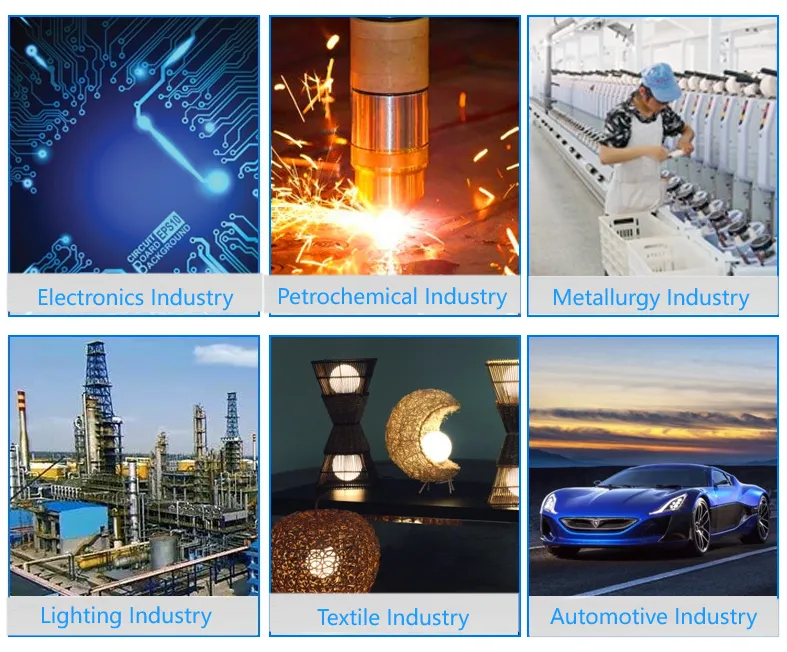
Applications of Ceramic Products
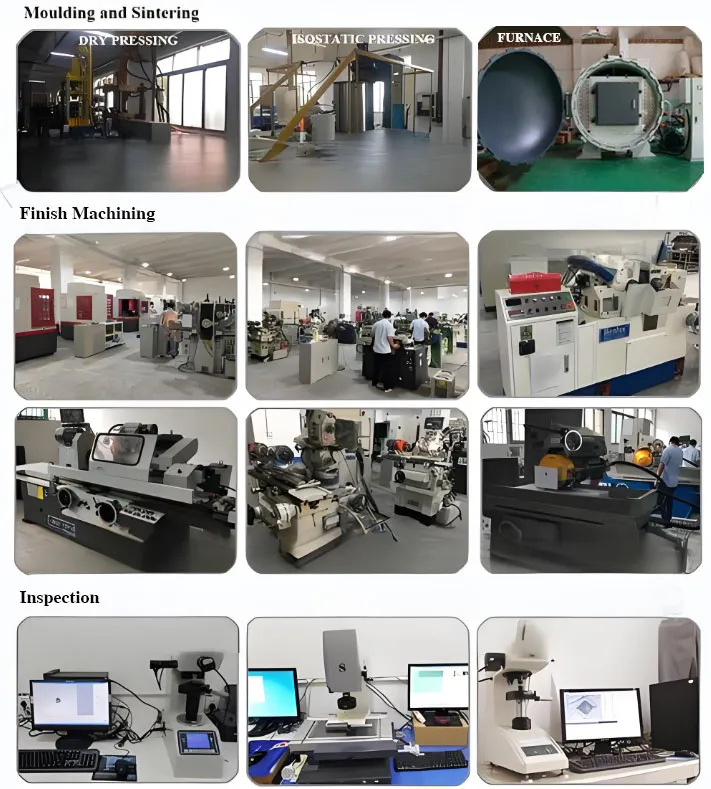
Process of Ceramic Products
Payment Term
T/T, Western Union, Paypal, Credit Card etc.
Shipment Term
By air, by sea, by express, as customers request.
5 FAQs of Ceramic Cutting Blades
Q1: How to Control Cutting Speed When Using Ceramic Cutting Blades?
The cutting speed of ceramic cutting tools can be 2 to 10 times higher than that of carbide cutting tools. However, excessively high cutting speeds may lead to rapid tool wear, while overly low speeds can compromise cutting quality. The appropriate cutting speed should be determined based on the hardness and properties of the material being machined.
Q2: Can Ceramic Cutting Inserts Be Used for Cutting Under Impact Loads?
Ceramic materials have relatively low flexural strength and poor impact toughness. Therefore, ceramic cutting inserts are not suitable for cutting processes involving low-speed, impact loads. Otherwise, the inserts may fracture.
Q3: How to Extend the Service Life of Ceramic Cutting Inserts?
In the process of use, the appropriate cutting speed should be maintained to avoid lateral pressure or shear force, regularly check the wear of the blade, timely replacement of excessive wear or no longer sharp blade, while the workpiece is stably fixed on the appropriate table to prevent the workpiece from moving or sliding, increasing the risk of safety.
Q4: What Is the Difference Between Ceramic Cutting Blades and Metal-Ceramic Blades?
Ceramic cutting blades are primarily composed of ceramic materials such as alumina and silicon nitride. In contrast, metal-ceramic blades consist of hard phases like TiCN/TiC/TiN, with Co or Ni added as bonding phases, and may include other elements in the form of nitrides, carbides, or carbonitrides. In terms of performance, metal-ceramic blades exhibit higher strength and toughness, while ceramic blades outperform in hardness, high-temperature resistance, and chemical stability. The applicable materials and machining scenarios also differ between the two.
Q5: Will Ceramic Cutting Blades Break If Dropped on the Ground?
No, because the ceramic knife is made of ceramic powder through ultra-high temperature sintering, its texture is much tighter than ordinary ceramics, can accordingly withstand much greater pressure. However, care should be taken to avoid dropping or impacting the ceramic knife to avoid damaging the blade.