Overview of Ceramic Ignitors
Ceramic Ignitor is a kind of ignition device made of ceramic material. It mainly consists of ceramic electrodes, insulators and leads. When working, the ceramic medium is penetrated by high-voltage electricity, generating sparks, thus igniting combustible materials. Its advantages include high temperature resistance, corrosion resistance, good insulation performance, long service life, and simple structure, compact size. Commonly used in gas stoves, water heaters, fireplaces and other equipment, can efficiently and safely realize the ignition function, for people's life and industrial applications to provide convenience.
Features of Ceramic Ignitors
Superior High-Temperature Resistance
Ceramic materials exhibit extremely high melting points, enabling ignitors to maintain structural stability in intense heat. Even during spark generation—when instantaneous temperatures surge—the ceramic components resist deformation or damage, ensuring consistent, accurate ignition.
Excellent Electrical Insulation
Ceramic is an excellent insulating material that can effectively isolate the high-voltage electrode from the surrounding environment and prevent leakage and short-circuit phenomena from occurring. This not only improves the safety of the igniter but also ensures the efficient transfer of ignition energy so that the spark can ignite the target fuel precisely.
Robust Corrosion Resistance
Ceramic ignitors withstand a wide range of fuels and corrosive gases, including natural gas, liquefied petroleum gas, and specialized fuels, without degradation. This durability extends their lifespan and reduces replacement costs in harsh environments.
Simple and Compact Design
Designed with a minimalist structure—featuring ceramic electrodes, insulators, and leads—these ignitors are compact and easy to install in various devices like gas stoves, water heaters, and fireplaces. Their small footprint avoids space constraints and preserves equipment aesthetics.
High ignition efficiency
The ceramic igniter is able to produce a stable spark with fast ignition speed and high success rate. It can ignite the fuel in an instant without the need for long preheating or complicated operation, which improves the efficiency of the equipment and user experience.
Long service life
Due to the ceramic material's high temperature resistance, corrosion resistance and good insulation, the ceramic igniter has a relatively long service life. Under normal use conditions, its performance is stable and not prone to fail.
High safety
The ceramic igniter gives full consideration to safety in the design and manufacturing process. Its high-voltage electrode is tightly wrapped by ceramic material, which avoids direct human contact with high-voltage electricity.
Specifications of Ceramic Ignitors
| Parameter |
Description |
Typical Value/Range |
| Model Number |
Unique identifier for the ignitor |
Example: CI-1234 |
| Type |
Type of ignitor |
Ceramic Piezoelectric Ignitor |
| Material |
Main material used |
High-temperature ceramic (e.g., alumina, zirconia) |
| Operating Voltage |
Voltage required for operation |
N/A (Piezoelectric) or 3-24V DC (Electronic) |
| Output Voltage |
Voltage generated for spark |
10,000-20,000V (Piezoelectric) |
| Spark Energy |
Energy delivered per spark |
0.1-1.0 Joule |
| Spark Frequency |
Frequency of sparks produced |
1-2 sparks per second |
| Operating Temperature |
Temperature range for reliable operation |
-20°C to +200°C |
| Ignition Distance |
Optimal distance from the spark to the gas jet |
4-6 mm |
| Life Cycle |
Number of ignition cycles before replacement |
100,000-500,000 cycles |
| Dimensions |
Physical size of the ignitor |
Length: 50-100 mm, Width: 10-20 mm, Height: 5-10 mm |
| Weight |
Weight of the ignitor |
20-50 grams |
| Connection Type |
Type of electrical connection |
Screw terminals, soldered connections, or plug-in connectors |
| Mounting Method |
How the ignitor is mounted |
Surface mount, threaded mount, or bracket mount |
| Insulation Resistance |
Electrical insulation capability |
>100 MΩ at 25°C |
| Humidity Resistance |
Resistance to moisture |
90% RH at 40°C (non-condensing) |
| Corrosion Resistance |
Resistance to corrosive gases |
Suitable for natural gas, propane, and other common fuels |
| Safety Certification |
Regulatory certifications |
UL, CE, CSA (varies by region) |
| Warranty |
Manufacturer's warranty period |
1-2 years |
|
Applications of Ceramic Ignitors
Household Appliances:
Core components in gas stoves, where they rapidly ignite gas for cooking, and gas water heaters, providing instant hot water for daily use. Their reliability ensures safe, consistent performance in residential settings.
Commercial and Industrial Equipment:
Ceramic ignitors are used in large gas stoves, ovens and steamers. These appliances require frequent ignition and require high ignition efficiency. Ceramic igniters ignite the gas quickly and consistently, ensuring efficient cooking. These devices need to operate in high-temperature, highly corrosive environments, and the high-temperature and corrosion resistance of ceramic ignitors makes them an ideal ignition choice. It can quickly ignite fuel, ensure the stability of the combustion process, and improve the efficiency of energy utilization, while reducing equipment failures and safety hazards caused by ignition failure.
Company Profile
Luoyang Tongrun Nano Technology Co. Ltd. (TRUNNANO) is a trusted global chemical material supplier & manufacturer with over 12-year-experience in providing super high-quality chemicals and nanomaterials, including boride powder, nitride powder, graphite powder, ceramic products, 3D printing powder, etc.
The company has a professional technical department and Quality Supervision Department, a well-equipped laboratory, and equipped with advanced testing equipment and after-sales customer service center.
If you are looking for high-quality Ceramic Products please feel free to contact us or click on the needed products to send an inquiry.

Applications of Ceramic Products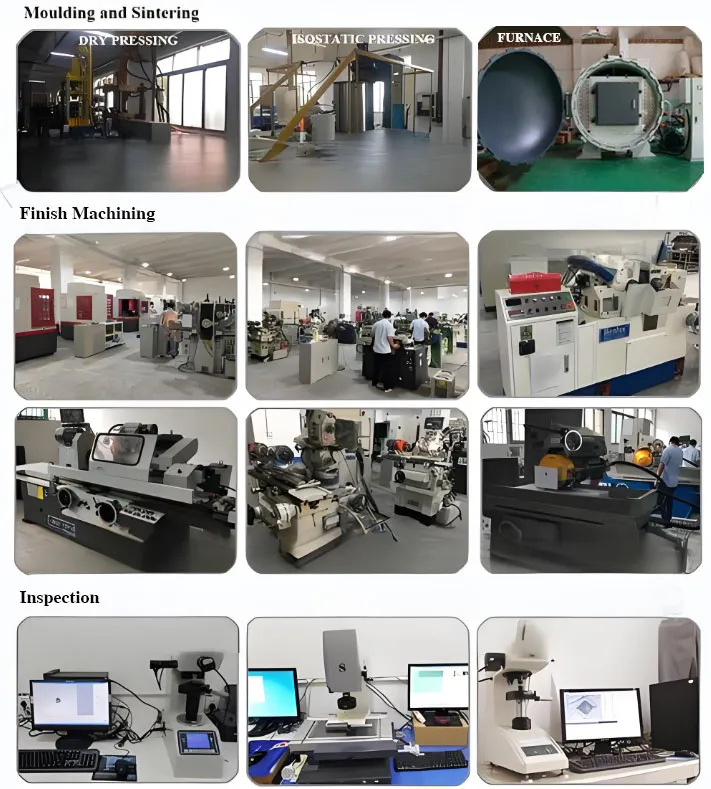
Process of Ceramic Products
Shipment Term
By air, by sea, by express, as customers request.
5 Frequently Asked Questions (FAQs)
Q1: How does a ceramic ignitor generate sparks?
Ceramic ignitors leverage the piezoelectric effect or semiconductor properties of ceramics. For example, piezoelectric types produce high voltage when mechanical force causes internal charge imbalance, creating sparks at the electrode tips to ignite fuel.
Q2: What safety precautions should be followed during use?
Ensure proper grounding to minimize electrical hazards.
Maintain a 4–5mm gap between the ignition needle and gas outlet.
Apply perpendicular force when triggering—avoid excessive pressure.
Never energize the ignitor without a connected nozzle to prevent component damage.
Use in non-corrosive environments and allow adequate heat dissipation.Install in dry, clean environments free of corrosive substances.
Q3: What are the key installation requirements?
Secure the ignitor firmly using appropriate mounting methods to ensure stability.
Shield the ignitor from direct flame contact in the combustion chamber and design efficient airflow for cooling.
Adjust the discharge distance between the ignition needle and gas source to 4–5mm.
Test functionality after installation to ensure proper operation.
Q4: Which devices are compatible with ceramic ignitors?
They are suitable for various gas and oil-fired equipment, including gas stoves, water heaters, fireplaces, biomass boilers, oil burners, industrial kilns, and blowtorches.
Q5: Why might a ceramic ignitor fail to ignite?
Incorrect ignition gap (too close or too far)—adjust to 4–5mm.
Inadequate or unstable gas supply—check pipelines and valves.
Physical damage (e.g., worn electrodes or failed piezoelectric ceramics)—replace the ignitor.
Faulty wiring or loose connections—inspect and repair the circuit.
Improper installation is preventing contact with gas—reposition the ignitor.
Dirty or carbon-coated surfaces—clean the ignition tip regularly.