Overview of Ceramic Emitter
A ceramic emitter is a device that utilizes the properties of ceramic materials to achieve a specific function. It is often used in infrared heating, ultrasonic emission and other fields. For instance, a ceramic infrared emitter can produce efficient infrared radiation, which offers high thermal effect, rapid warming, and long life. It is widely applied in industrial heating, drying, and home heating. Additionally, ceramic ultrasonic emitters can generate ultrasonic waves through the vibration of piezoelectric ceramics, which are used for cleaning, ranging, and detection purposes.
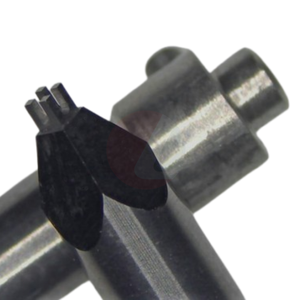
Ceramic Emitter
Types of Ceramic Emitter
Ceramic emitters mainly come in the following types:
Ceramic infrared emitters: These include plate, tube, lamp, and special shapes.Ceramic ultrasonic emitters.Other types: Such as ceramic laser emitters and ferroelectric ceramic beam emitters, which are used in specific areas like laser emission and electron beam emission.
Features of Ceramic Emitter
Ceramic emitters possess a variety of features:
High efficiency and energy saving: For example, ceramic infrared emitters can achieve up to 96% infrared thermal effect. Compared to traditional heating elements, they can significantly reduce energy consumption when achieving the same heating effect.
Stable performance: Made from high-quality ceramic materials like high-purity clay, they have good resistance to high temperatures, corrosion, and abrasion. They can work stably in harsh environments. For instance, a nano-ceramic coating can enhance the corrosion and abrasion resistance of a missile launcher by more than 10 times, and the solid ceramic element of a ceramic infrared heater can last up to 10,000 hours.
Safe and reliable: Some ceramic emitters do not produce light, such as ceramic heating bulbs, and will not disturb the normal sleeping habits of animals. They are environmentally and biologically friendly. Moreover, some ceramic emitters also have explosion-proof, leakage-proof, and other safety features. For example, the CEMB vibration emitter, which uses a stainless steel and ceramic composite sensing structure, is suitable for explosive environments.
Precise and controllable: Piezoelectric ceramic emitters can precisely control the emitted ultrasound and other physical quantities through accurate control of the input electrical signal, enabling high-precision measurement and positioning functions.
Wide range of applications: They cover fields such as infrared heating, ultrasonic emission, and vibration monitoring, meeting the diverse needs of different industries.
Specifications Table of Ceramic Emitter
| Parameter |
Description |
Typical Value |
| Material |
Type of ceramic material used for the emitter |
Alumina (Al₂O₃) or Zirconia (ZrO₂) |
| Operating Temperature Range |
Temperature range within which the emitter functions effectively |
500°C to 1500°C |
| Emissivity |
Ability to emit infrared radiation |
0.85 to 0.95 |
| Power Rating |
Maximum power the emitter can handle |
500 to 2000 |
| Voltage Range |
Voltage range required for operation |
110 to 240 |
| Wavelength Range |
Spectrum of infrared radiation emitted |
2 to 20 |
| Dimensions |
Physical size of the emitter |
Length: 100 mm, Width: 50 mm, Thickness: 10 mm |
| Surface Area |
Effective radiating surface area |
5000 |
| Thermal Conductivity |
Ability to conduct heat |
30 to 50 |
| Heating Time |
Time required to reach operating temperature |
5 to 15 |
| Cooling Time |
Time required to cool down from operating temperature |
10 to 20 |
| Durability |
Lifespan under normal operating conditions |
5000 to 10000 |
| Mounting Options |
Ways the emitter can be installed |
Surface mount, bracket mount |
| Safety Features |
Safety mechanisms to prevent overheating or damage |
Over-temperature protection, thermal fuse |
|
Applications of Ceramic Emitter
Ceramic emitters are widely used in many fields:
Industrial field: Ceramic infrared emitters are used in the production of plastic packaging and blister molding products to heat the plastic sheet for blister molding. They are also used in the production of automobile interior parts to heat the EVA skin for molding, as well as in the heat processing and curing of PU conveyor belts. Ceramic ultrasonic transmitters are used for industrial cleaning to remove oil and stains from parts' surfaces efficiently. They are also used for material flaw detection and the detection of internal defects.
Agriculture and Farming: Ceramic infrared emitters can provide a warm environment for pups and chicks, aiding their growth and development. They can also provide the right temperature for plant growth and promote photosynthesis. Additionally, ceramic ultrasonic emitters can be used for insect repellent by using specific frequency ultrasound to drive away pests, reducing the use of pesticides.
Medical field: Ceramic infrared emitters are used in medical equipment such as infrared thermography to detect abnormalities in human tissue or organs, assisting in disease diagnosis. Some ceramic emitters are also used for physical therapy, utilizing the infrared heat effect to promote blood circulation and relieve pain.
Security field: Ceramic infrared light beads, as a nighttime monitoring auxiliary light source, can provide infrared lighting for surveillance cameras in low-light or no-light environments, enabling 24-hour, uninterrupted monitoring. They are widely used in parking lots, streets, and other places.
Home field: Ceramic infrared heaters can be used for home heating, characterized by rapid warming and high thermal efficiency. Ceramic ultrasonic transmitters are used for home cleaning, such as cleaning glasses, jewelry, and other small items.
Company Profile
Luoyang Tongrun Nano Technology Co. Ltd. (TRUNNANO) is a trusted global chemical material supplier & manufacturer with over 12-year-experience in providing super high-quality chemicals and nanomaterials, including boride powder, nitride powder, graphite powder, ceramic products, 3D printing powder, etc.
The company has a professional technical department and Quality Supervision Department, a well-equipped laboratory, and equipped with advanced testing equipment and after-sales customer service center.
If you are looking for high-quality Ceramic Products please feel free to contact us or click on the needed products to send an inquiry.
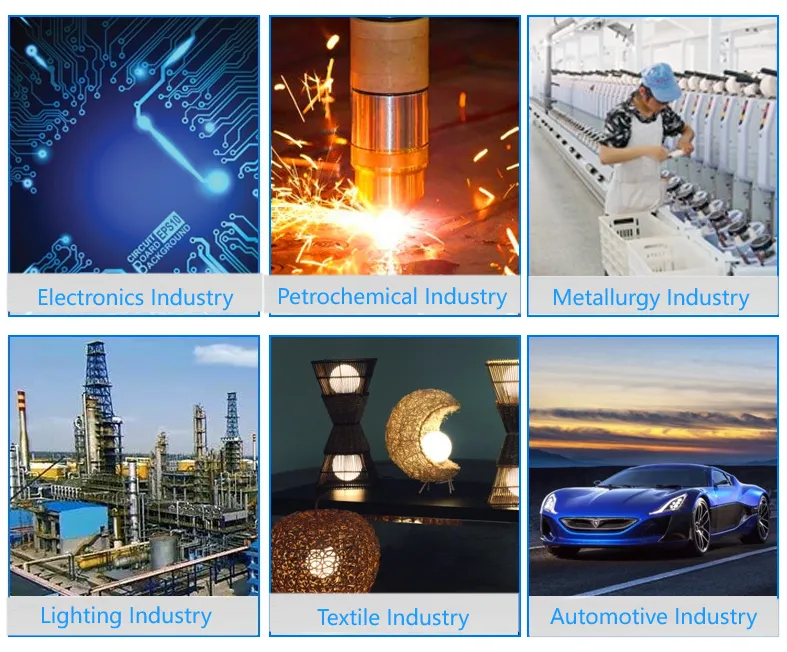
Applications of Ceramic Products
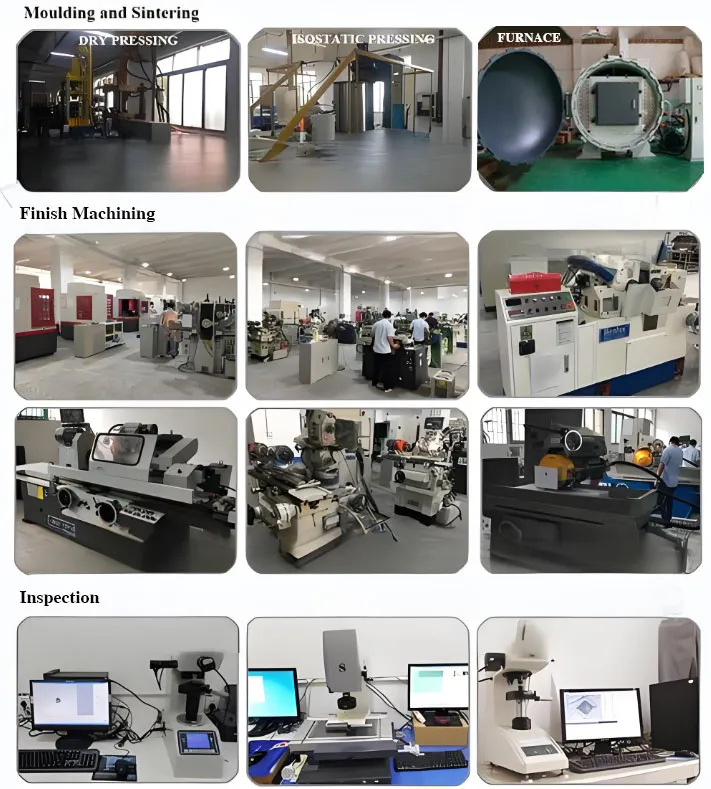
Process of Ceramic Products
Payment Term
T/T, Western Union, Paypal, Credit Card etc.
Shipment Term
By air, by sea, by express, as customers request.
5 FAQs of Ceramic Emitter
Q1: What is the core principle of ceramic emitters?
Ceramic emitters achieve their functions through the piezoelectric effect or infrared radiation properties of the material. For example, piezoelectric ceramics vibrate under the action of an electric field to generate ultrasonic waves (such as in ultrasonic cleaners). Infrared ceramic emitters emit infrared rays of specific wavelengths by heating the ceramic substrate with a resistance wire (such as in industrial drying equipment).
Q2: What are the advantages of ceramic emitters over traditional metal emitters?
High temperature resistance: They can work above 800℃ for a long time.
Corrosion resistance: Nano-ceramic coatings can increase the corrosion resistance of equipment by more than 10 times (e.g., in missile launcher applications).
Energy efficient: Infrared thermal effect is up to 96%, which is more than 30% more energy efficient than traditional heating elements.
Safety: No light, explosion-proof design
Q3: What are the innovative applications of ceramic emitters in agriculture?
Plant growth: Infrared emitters provide precise temperature control for greenhouses and promote photosynthesis.
Pest control: Ultrasonic emitters repel pests through specific frequencies, reducing pesticide use.
Irrigation system: Ceramic negative pressure irrigation transmitter realizes water-saving agriculture and improves water utilization efficiency.
Q4: How to choose the right ceramic emitter?
Power matching: Choose according to the heating area or ultrasonic demand (e.g., 150W for small pet boxes, 600W for industrial drying).
Environmental adaptability: In a high-humidity environment, choose moisture-proof models.
Q5: What factors affect the service life of ceramic emitters?
Temperature: Long-term high temperatures (>800°C) may cause the ceramic substrate to deteriorate.
Mechanical shock: Handle gently, avoid violent collision (such as high-power ceramic emitter tubes need professional packaging).
Voltage stability: Use voltage regulators to prevent voltage fluctuations from damaging the components.