Ceramic Metal Seals: An Overview
Ceramic metal seals represent a sophisticated sealing technology that integrates ceramic and metal materials. By capitalizing on the high hardness, high-temperature resistance, and corrosion resistance of ceramics, as well as the toughness and processability of metals, these seals are extensively utilized across industries such as aerospace, electronics, and chemicals. Through specialized processes like sintering and brazing, a robust bond is created between ceramic and metal at the interface. This effectively prevents the leakage of gases or liquids, ensuring reliable sealing performance and stability even in demanding environments.

Ceramic Metal Seals
Features of Ceramic Metal Seals
Specifications Table of Ceramic Metal Seals
|
Applications of Ceramic Metal Seals
Ceramic metal seals find application in a variety of fields:
Electronics: In the electronics industry, ceramic metal seals are commonly used in the packaging of high-precision electronic components. For example, semiconductor chips, optoelectronic devices and other sealing requirements are extremely high; ceramic metal seals can prevent the entry of external gases, moisture, etc., to protect the chip from contamination and corrosion, thereby extending the service life of electronic components. At the same time, in some high-vacuum electronic equipment, such as electron beam welding machines, vacuum coating equipment, ceramic metal seals can maintain a stable vacuum environment to ensure the normal operation of the equipment.
Chemical Industry: Plays a vital role in chemical equipment, such as reactors, pipeline connections, and valves. They prevent the leakage of corrosive media like acids, alkalis, and salts, avoiding equipment corrosion and environmental pollution.
Company Profile
Luoyang Tongrun Nano Technology Co. Ltd. (TRUNNANO) is a trusted global chemical material supplier & manufacturer with over 12-year-experience in providing super high-quality chemicals and nanomaterials, including boride powder, nitride powder, graphite powder, ceramic products, 3D printing powder, etc.
The company has a professional technical department and Quality Supervision Department, a well-equipped laboratory, and equipped with advanced testing equipment and after-sales customer service center.
If you are looking for high-quality Ceramic Products please feel free to contact us or click on the needed products to send an inquiry.
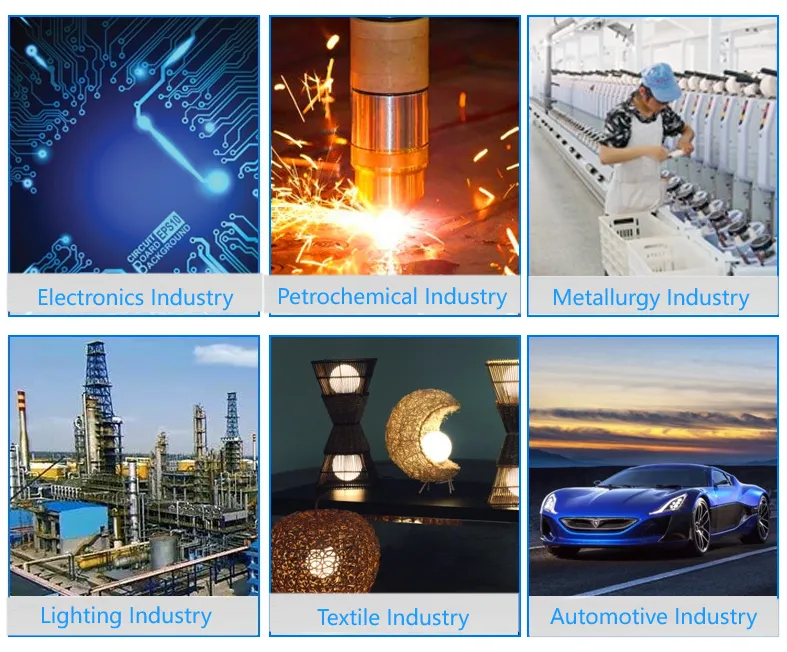
Applications of Ceramic Products
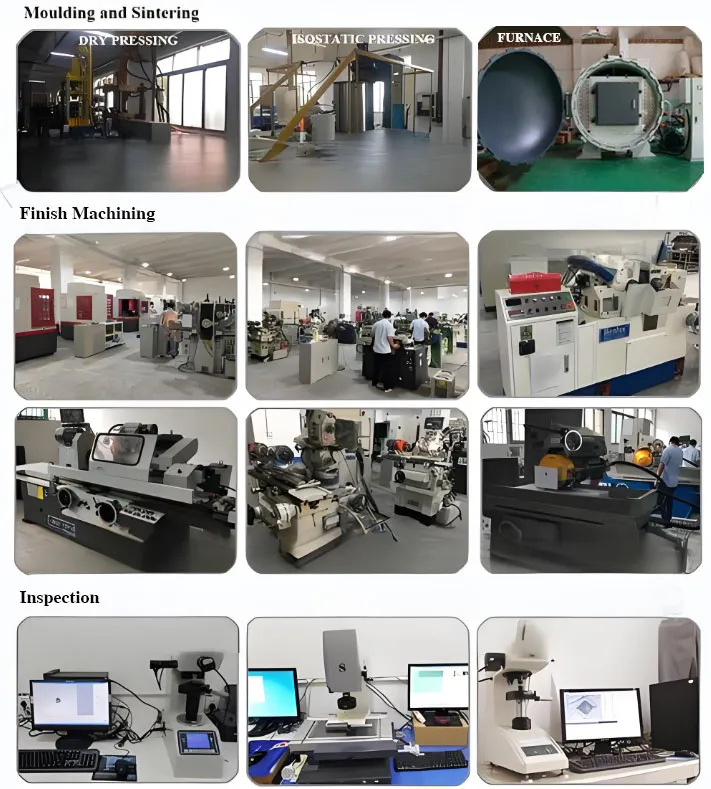
Process of Ceramic Products
Payment Term
T/T, Western Union, Paypal, Credit Card etc.
Shipment Term
By air, by sea, by express, as customers request.
5 FAQs of Ceramic Metal Seals
Q1: What is the principle of ceramic-to-metal seals?
Ceramic-to-metal seals are created by coating the ceramic surface with a layer of metal powder to form a uniform, dense, and weldable layer. This layer is then sintered at high temperatures to create a strong metallurgical bond. After sintering, the ceramic parts are welded to the metal parts (e.g., via vacuum welding) to form a unified structure, achieving the ceramic-metal seal.
Q2: What is the difference between ceramic-to-metal and glass-to-metal seals?
Glass-to-metal seals rely on the chemical bond between glass and the oxide film on the metal surface, whereas ceramic-to-metal seals involve sintering a metal powder coating on the ceramic surface to form a weldable layer that is then welded to the metal. Compared to glass-to-metal seals, ceramic-to-metal seals offer better high-temperature and corrosion resistance, as well as higher mechanical strength. However, they are more complex and costly to produce.
Q3: Are ceramic-to-metal seals expensive to produce?
Yes, the production cost of ceramic metal seals is relatively high. This is due to the high cost of ceramic and metal materials, as well as the complex production processes involved, such as high-temperature sintering, precision machining, and stringent quality testing. The high requirements for equipment and production environment further increase the production cost.
Q4: How can the airtightness of ceramic-to-metal seals be improved?
To enhance the airtightness of ceramic-to-metal seals, suitable ceramic and metal materials should be selected, and the seal structure design should be optimized. The quality and uniformity of the metallization layer should be improved, and the welding process should be carefully controlled. Additionally, machining accuracy and surface roughness should be strictly controlled during production. Finally, advanced testing equipment, such as helium mass spectrometry leak detectors, should be used to test the airtightness of the product.
Q5: What are the precautions for making ceramic-metal seals?
When producing ceramic-metal seals, it is crucial to select appropriate ceramic and metal materials based on the sealing requirements and determine a reasonable seal structure and size. The processing precision and surface quality should be strictly controlled to ensure the uniformity and density of the metallized layer. During welding, precise control of welding parameters is necessary to prevent defects. Finally, airtightness testing and other quality inspections should be conducted to ensure the reliability of the seals.