Overview of Alumina Ceramic Standard Parts
Alumina ceramic standard parts are ceramic materials with high-purity alumina (Al₂O₃) as the main component, and the content of alumina is usually above 95%. It is characterized by high strength, high hardness, high wear resistance, high insulation, high-temperature resistance and excellent chemical stability. The manufacturing process consists of raw material preparation, molding, sintering (usually at temperatures of 1400-1700°C to improve density and mechanical properties) and post-processing.
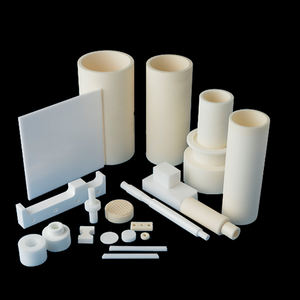
alumina ceramic standard parts
Alumina ceramic standard parts can be divided into a variety of specifications based on shape, size, performance and other criteria; common products include ceramic substrates, ceramic tubes, ceramic rods, ceramic balls, etc., widely used in the following fields:
Electronic industry: used in circuit boards, insulators, electronic components substrates, etc., to meet the needs of high-temperature, high-frequency environments.
Mechanical industry: manufacturing bearings, seals, gears, valves and other wear-resistant parts to extend the service life of equipment.
Aerospace: applied to spacecraft thermal protection systems, engine components and other extreme environmental scenarios.
Medical field: making bioceramics, artificial joints, dental implants, etc., relying on good biocompatibility and wear resistance.
Chemical industry: chemical filler balls, inorganic microfiltration membranes, corrosion-resistant coatings, etc., to resist acid, alkali and chemical corrosion.
Other fields: transparent ceramics, semiconductor components, high-voltage insulators, laser tubes and other high-precision scenarios.
Core performance characteristics of alumina ceramic standard parts
Hardness: Mohs hardness up to grade 9, second only to diamond and silicon carbide, Vickers hardness 1800-2200 HV, suitable for bearings, cutting tools and other wear-resistant scenes.
Strength: Compressive strength up to 2000-4000 MPa (far more than most metals), tensile strength 100-200 MPa, modulus of elasticity 300-400 GPa, both high rigidity and brittleness.
High-temperature resistance: melting point of about 2072°C, low coefficient of thermal expansion (7×10-⁶/°C), excellent thermal stability, better than ordinary ceramics in resistance to cold and thermal shocks, thermal conductivity 30 W/(m・K), suitable for high-temperature heat dissipation parts.
Insulation: room temperature resistivity>10¹⁴Ω・cm, dielectric strength 10-25 kV/mm, dielectric constant 9-10 (1 MHz), high-frequency signal transmission loss is low; it is the ideal material for electronic insulation substrate.
Corrosion resistance: in addition to hydrofluoric acid and hot concentrated alkali, it can resist strong acid, alkali and molten metal erosion, suitable for chemical reactor lining.
Antioxidant: It does not react with oxygen at high temperatures and can be used for a long time in an inert environment.
Optical properties: Transparent alumina ceramics have high light transmittance and high surface gloss of polished parts, which can be used for optical windows, lamp reflectors, etc.
Biocompatibility: High-purity products can be implanted into the human body and used in the medical field.
Economy: abundant raw material reserves, medium and low purity products with mature technology and controllable cost, better cost performance than most precision ceramics.
Alumina ceramic standard parts specification parameter table
| Property |
Specification |
| Material Composition |
High-purity alumina (Al₂O₃) with a typical purity of 95% to 99.9% |
| Density |
3.95 to 4.02 g/cm³ |
| Hardness |
Mohs hardness: 9; Vickers hardness: 1800-2200 HV |
| Tensile Strength |
100-200 MPa |
| Compressive Strength |
2000-4000 MPa |
| Flexural Strength |
300-500 MPa |
| Elastic Modulus |
300-400 GPa |
| Thermal Properties |
- Melting point: 2072°C
- Thermal expansion coefficient: 7×10⁻⁶/°C (room temperature to 1000°C)
- Thermal conductivity: 30 W/(m·K) at room temperature
- Specific heat capacity: 0.88 kJ/(kg·K) |
| Electrical Properties |
- Insulation resistance: >10¹⁴ Ω·cm at room temperature
- Dielectric constant (ε): 9-10 at 1 MHz
- Dielectric strength: 10-25 kV/mm |
| Chemical Stability |
- Highly resistant to acids, bases, and most chemicals (except hydrofluoric acid and hot concentrated alkalis)
- Excellent oxidation resistance at high temperatures |
| Optical Properties |
- High transparency (for transparent alumina ceramics)
- High gloss surface finish (for polished parts) |
| Surface Finish |
- Roughness: <0.1 µm (for polished surfaces)
- Coating options: Available for specific applications (e.g., PVD coatings) |
| Dimensional Accuracy |
- Tolerance: ±0.01 mm for standard parts
- Custom tolerances available based on specific requirements |
| Common Shapes |
- Discs, rods, tubes, rings, spheres, plates, etc. |
| Standard Sizes |
- Customizable based on application requirements |
| Color |
White (natural color of alumina ceramic) |
| Applications |
- Electronics (insulators, substrates)
- Mechanical (bearings, wear parts)
- Chemical (reactor linings, corrosion-resistant components)
- Medical (implants, dental components)
- Aerospace (high-temperature components) |
|
Company Profile
Luoyang Tongrun Nano Technology Co. Ltd. (TRUNNANO) is a trusted global chemical material supplier & manufacturer with over 12-year-experience in providing super high-quality chemicals and nanomaterials, including boride powder, nitride powder, graphite powder, ceramic products, 3D printing powder, etc.
The company has a professional technical department and Quality Supervision Department, a well-equipped laboratory, and equipped with advanced testing equipment and after-sales customer service center.
If you are looking for high-quality Ceramic Products please feel free to contact us or click on the needed products to send an inquiry.
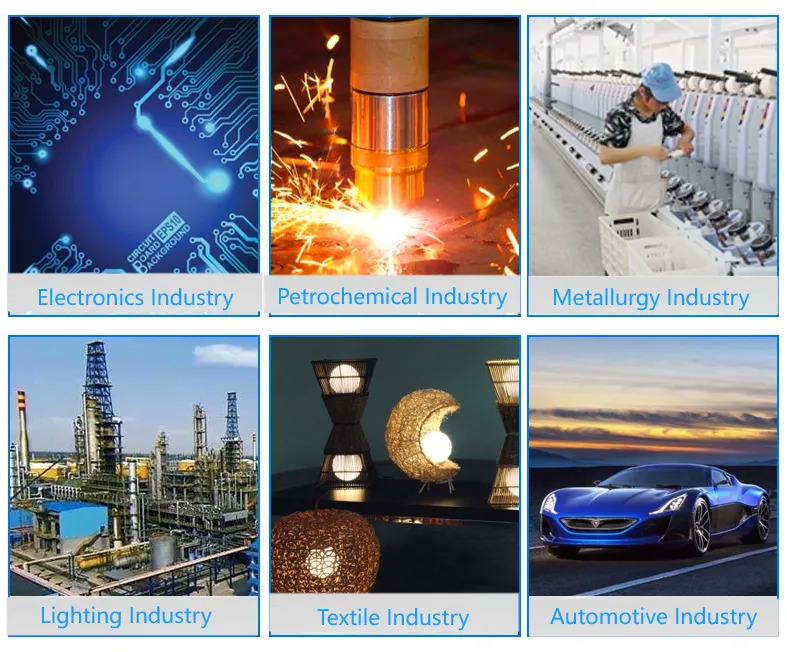
Applications of Ceramic Products
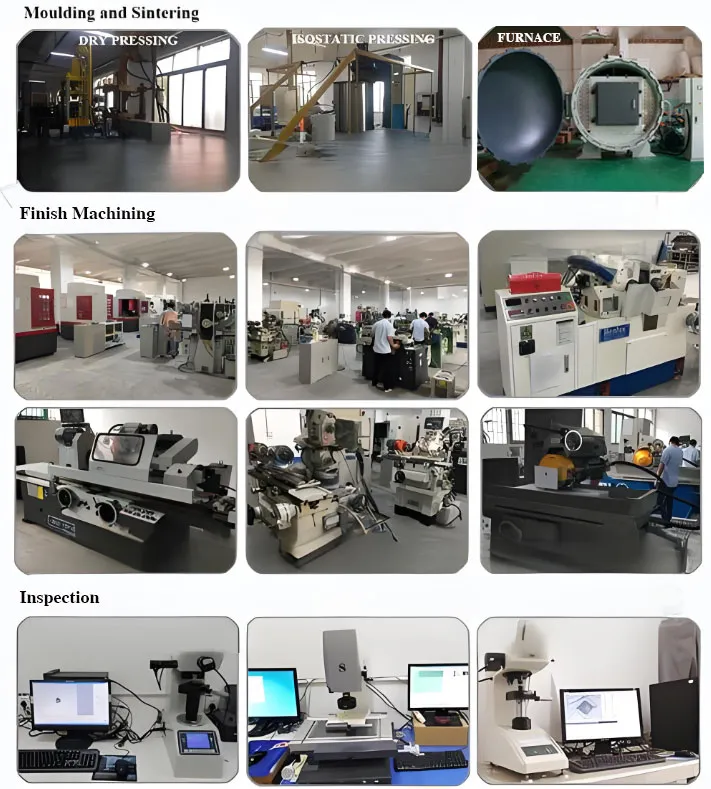
Process of Ceramic Products
Payment Term
T/T, Western Union, Paypal, Credit Card etc.
Shipment Term
By air, by sea, by express, as customers request.
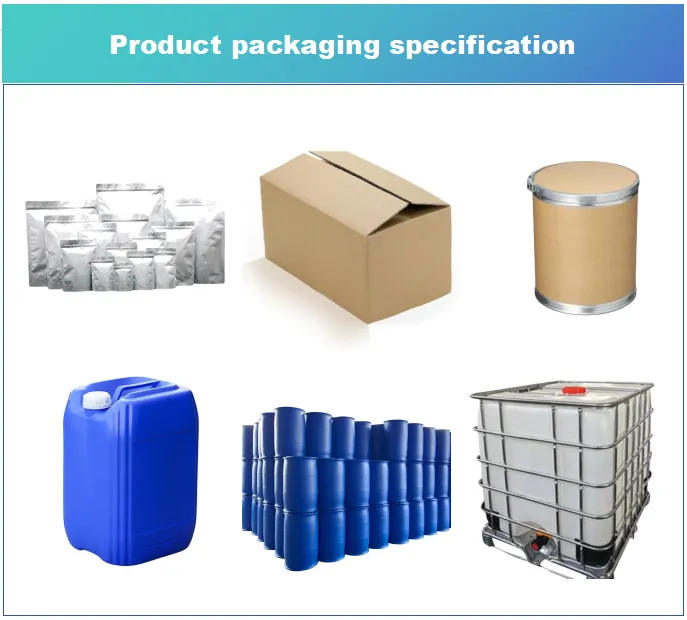
5FAQs of alumina ceramic standard parts
Q1: What is the manufacturing process of alumina ceramic standard parts?
It mainly includes raw material preparation, molding (pressing / injection/casting, etc.), sintering (1400-1700°C) and post-processing (grinding, polishing), and the density and mechanical properties are enhanced by high-temperature sintering.
Q2: How difficult is it to process alumina ceramics?
Due to the high hardness characteristics, special equipment such as diamond tools, laser processing, electric discharge machining (EDM) or ultrasonic processing is required.
Q3: What factors affect the cost of FAQs products?
The cost is related to purity (high-purity products cost more), specification size, and processing precision. Medium and low-purity products have more controllable costs due to the mature process.
Q4: How to choose the right purity of aluminum oxide?
99% purity for high insulation and high hardness requirements; 95% purity for cost-sensitive scenarios, balancing performance and budget.
Q5: What is the chemical resistance of alumina ceramics?
Alumina ceramics are resistant to most chemicals except hydrofluoric acid and hot concentrated alkali and are widely used in chemical corrosion-resistant parts (e.g., packing balls and filter membranes).