Overview of Alumina Ceramic Plungers
Alumina ceramic plunger is a key component for a wide range of industrial applications. It is made of high-purity alumina (Al₂O₃) powder through molding and high-temperature sintering processes. Its hardness and abrasion resistance are second only to diamond, which can effectively resist the wear of materials on the plunger surface; meanwhile, it has excellent corrosion resistance and high-temperature resistance and can operate stably under severe working conditions. The smooth surface and high-precision dimensions ensure a good sealing effect and reduce the risk of leakage. They are widely used in plunger pumps in the hydraulic, mining and chemical industries, significantly improving the service life and efficiency of the equipment.
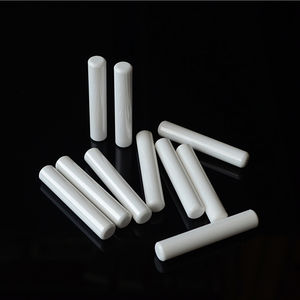
Alumina Ceramic Plunger
Mechanical and Friction Properties
Ultra-high hardness: Vickers hardness of 1800-2000 HV, suitable for high wear scenarios (e.g., slurry transportation). Self-lubricating properties: Micro-porous structure of the working surface creates a lubrication mechanism that reduces sliding resistance, reduces friction loss of traditional plunger pumps, and improves energy efficiency. High precision machining: dimensional tolerance ±0.05 mm and surface roughness Ra 0.1-0.5 µm (after polishing) ensure a precise fit to the pump body and minimize leakage.
Chemical and thermal stability
Corrosion resistance: resistant to strong acids, strong bases (except hydrofluoric acid) and corrosive media, it can be used for a long time in chemical reactors acid and alkali transportation systems. High-temperature resistance: working temperature range - 50°C to 1800°C, strong oxidation resistance under high temperature, suitable for metallurgy, glass manufacturing and other high-temperature environments. Biocompatibility: high purity products meet the hygiene standard of the food and pharmaceutical industry and can be used in direct contact with drugs and food materials.
Detailed Table of Alumina Ceramic Plungers
| Parameter |
Description |
Typical Value/Range |
| Material |
Main material used for the plunger |
99.5% - 99.9% Alumina (Al₂O₃) |
| Density |
Material density |
3.9 - 4.0 g/cm³ |
| Hardness |
Vickers hardness |
1800 - 2000 HV |
| Flexural Strength |
Ability to withstand bending forces |
350 - 400 MPa |
| Compressive Strength |
Ability to withstand compressive forces |
2500 - 3000 MPa |
| Fracture Toughness |
Resistance to crack propagation |
4 - 5 MPa·m½ |
| Dielectric Strength |
Electrical insulation capability |
15 - 20 kV/mm |
| Thermal Conductivity |
Ability to conduct heat |
20 - 30 W/m·K |
| Coefficient of Thermal Expansion |
Expansion rate with temperature change |
7 - 8 x 10⁻⁶ /°C |
| Surface Finish |
Surface roughness |
Ra 0.1 - 0.5 µm (polished) |
| Dimensional Tolerance |
Precision of dimensions |
±0.05 mm (typical) |
| Corrosion Resistance |
Resistance to chemical attack |
Excellent in most acids and alkalis |
| Operating Temperature Range |
Temperature range for normal operation |
-50°C to 1800°C (depending on application) |
| Maximum Working Pressure |
Maximum pressure it can withstand |
Up to 100 MPa (depending on design) |
| Lubrication Requirement |
Need for lubrication |
Low or no lubrication required due to self-lubricating properties |
| Color |
Appearance |
White or off-white |
| Customization |
Ability to customize dimensions and shapes |
Available based on customer requirements |
|
Applications of Alumina Ceramic Plunger
Mechanical Manufacturing and Hydraulic Systems
Hydraulic piston pumps: used in high-pressure hydraulic systems, such as construction machinery and oil exploration equipment, with high wear resistance to extend the life of the pump body and reduce maintenance frequency. Precision injection mold: in the manufacture of electronic equipment, as an injection mold plunger, the use of high insulation and processing accuracy to ensure the quality of electronic components molding.
Chemical and Corrosive Environments
Metering pump plunger: in the strong acid (such as sulfuric acid), strong alkali (such as sodium hydroxide) medium transportation, instead of metal plunger to avoid corrosion failure to enhance the stability of the chemical process. Reactor stirring shaft seal: withstand high-temperature corrosive gases to prevent leakage of media to protect the safety of chemical reaction.
Food and Pharmaceutical Industry
Food processing equipment: conveyor pumps for dairy products and beverage production, in line with FDA standards of biocompatibility to ensure food safety. Pharmaceutical machinery: injection filling machine plungers to avoid metal ions contamination of the liquid to meet the high cleanliness requirements of drug production.
High temperature and special working conditions
Metallurgical industry: material pushing plungers in high-temperature furnaces, resistant to molten metal erosion above 1600°C. New energy field: lithium battery slurry transfer pump plunger, resistance to acidic components in the slurry to ensure production continuity.
Company Profile
Luoyang Tongrun Nano Technology Co. Ltd. (TRUNNANO) is a trusted global chemical material supplier & manufacturer with over 12-year-experience in providing super high-quality chemicals and nanomaterials, including boride powder, nitride powder, graphite powder, ceramic products, 3D printing powder, etc.
The company has a professional technical department and Quality Supervision Department, a well-equipped laboratory, and equipped with advanced testing equipment and after-sales customer service center.
If you are looking for high-quality Ceramic Products please feel free to contact us or click on the needed products to send an inquiry.
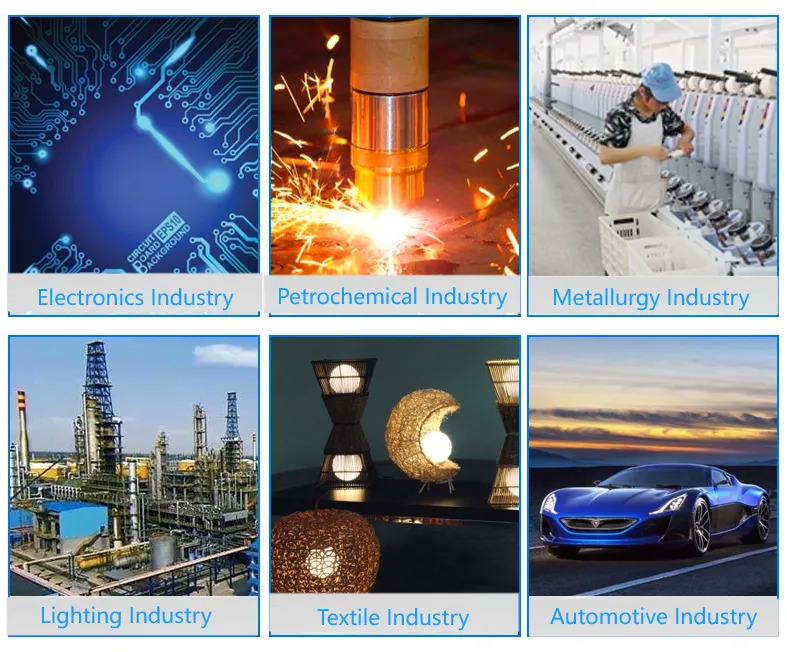
Applications of Ceramic Products
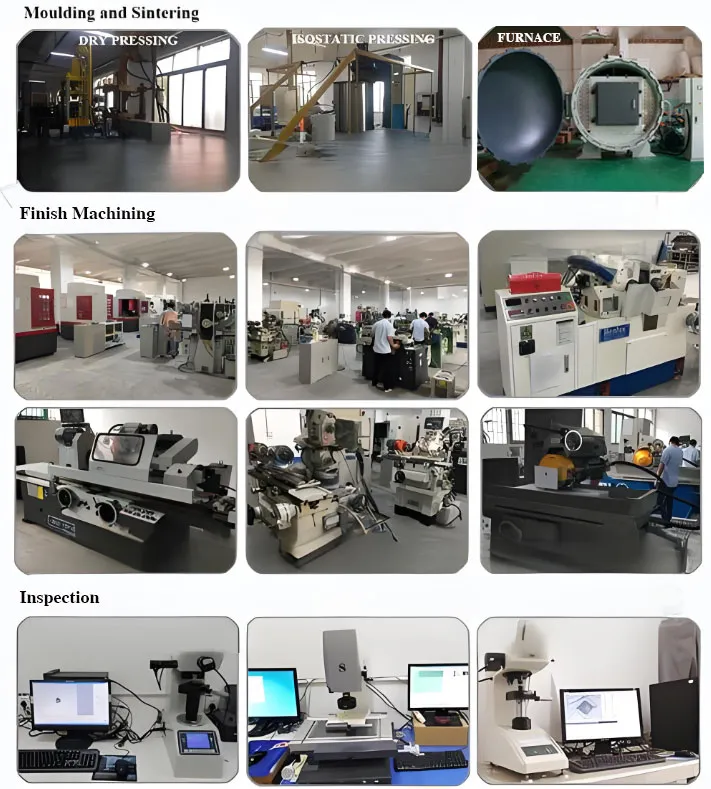
Process of Ceramic Products
Payment Term
T/T, Western Union, Paypal, Credit Card etc.
Shipment Term
By air, by sea, by express, as customers request.
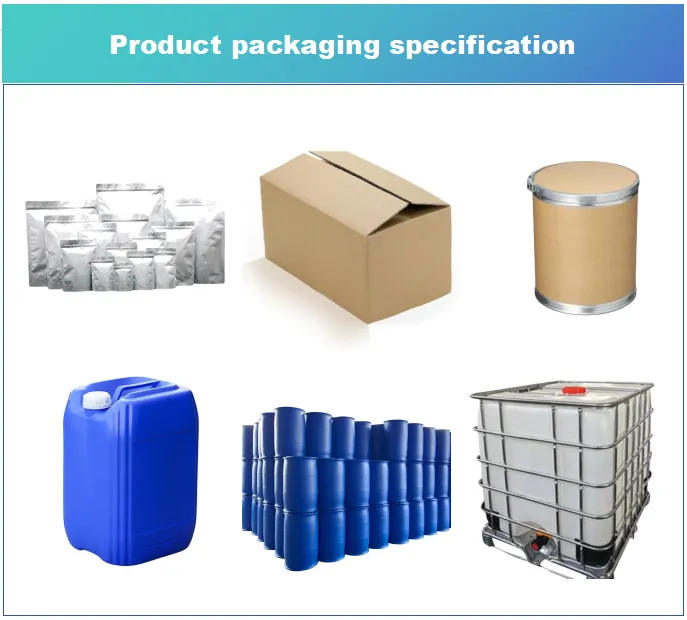
5FAQs of Alumina Ceramic Plunger
Q1: What are the core advantages of alumina ceramic plungers over metal plungers?
Compared with metal plungers, it has 10-20 times higher wear resistance, stronger corrosion resistance, and lighter weight (1/3 of the density of metal), which reduces the load on the equipment; compared with plastic plungers, it has better high-temperature resistance and dimensional stability, and the overall cost is lower.
Q2: What should I pay attention to when installing and using alumina ceramic plungers?
When installing the plunger, make sure that the gap between the plunger and the sleeve is ≤0.03 mm and the contact surface is clean and free of impurities; use the appropriate filtered hydraulic oil (accuracy ≤10 μm), and replace it regularly to prevent particle wear; high-temperature working conditions require a cooling system to avoid cracking of the plunger due to the temperature difference; and it is forbidden to run in idle or overloaded operation to prevent the sealing parts from failing.
Q3: How to determine whether the plunger needs to be replaced?
Plungers need to be replaced in time when the following conditions occur: the depth of wear on the surface is more than 0.2 mm, or there is a penetrating crack; the leakage increases by more than 30% compared with the initial value, resulting in unstable pressure in the system; the clearance with the sleeve is more than 0.1 mm, which affects the precision of pumping.
Q4: What are the factors affecting plunger service life?
The service life mainly depends on the characteristics of the working medium (granularity, corrosiveness), operating parameters (pressure, temperature, frequency), and maintenance level (lubrication, cleanliness). Usually, high-quality products can be used for 5-10 years under normal working conditions.
Q5: Does the high cost affect the price/performance ratio?
Although the initial purchase cost is 2-3 times higher than a metal plunger, the overall cost can be reduced by 40-60% due to its long life (less frequent replacement), low maintenance (no corrosion, no lubrication), and high reliability (less downtime loss), making it especially suitable for long term, continuous operation in industry.