Ceramic pistons and plungers are mechanical parts made of ceramic materials. Ceramic pistons have the advantages of high hardness, good abrasion resistance, high temperature resistance, etc. They are commonly used in engines and other equipment, which can effectively reduce wear and improve service life. Ceramic piston is mostly used in hydraulic system, its strong corrosion resistance, can adapt to harsh working conditions, and high precision, the two are widely used in the field of machinery, promote the performance of related equipment.

Ceramic Pistons and Plungers
Ceramic pistons and plungers come in various types. Based on material, ceramic pistons can be categorized into alumina ceramic pistons, silicon carbide ceramic pistons, and silicon nitride ceramic pistons. Alumina ceramic pistons are known for their good insulation and wear resistance, as well as relatively low cost; silicon carbide ceramic pistons feature high hardness and good thermal stability, making them suitable for high-temperature environments; silicon nitride ceramic pistons boast high strength, good toughness, and excellent thermal shock resistance. In terms of shape, they can be divided into cylindrical pistons, oval pistons, etc. According to their applications, they can be classified as engine pistons, compressor pistons, and so on.
Ceramic plungers also exhibit a diverse range of types. By material, they can be divided into zirconia ceramic plungers and silicon carbide ceramic plungers.
|
Ceramic pistons are mainly used where high temperatures, high pressures and high wear resistance are required. In aerospace, ceramic pistons are used in high-performance engines, where their high-temperature resistance and low-density properties reduce engine weight while improving combustion efficiency and reliability. In the automotive industry, ceramic pistons are used in high-performance racing engines to reduce energy loss and improve power output. In addition, in compressors, vacuum pumps and other equipment, ceramic pistons can extend the service life of the equipment and reduce maintenance costs by virtue of their wear resistance and corrosion resistance, for example, in some chemical compressors.
Ceramic plungers are extensively used in hydraulic systems and metering equipment. In hydraulic pumps, ceramic plungers can withstand high pressure and frequent reciprocating motion, reducing wear and improving the efficiency and life of hydraulic pumps. In metering pumps, the high precision and low friction coefficient of ceramic plungers ensure accurate liquid delivery, meeting the strict flow requirements of the chemical and pharmaceutical industries. For instance, in electronic chip manufacturing, cleaning equipment, ceramic plungers can precisely control the flow of cleaning fluid while preventing equipment corrosion.
The high performance of ceramic pistons and plungers makes them indispensable in the industrial sector. They not only enhance equipment operational efficiency but also reduce maintenance costs, driving the development of related industries.
Company Profile
Luoyang Tongrun Nano Technology Co. Ltd. (TRUNNANO) is a trusted global chemical material supplier & manufacturer with over 12-year-experience in providing super high-quality chemicals and nanomaterials, including boride powder, nitride powder, graphite powder, ceramic products, 3D printing powder, etc.
The company has a professional technical department and Quality Supervision Department, a well-equipped laboratory, and equipped with advanced testing equipment and after-sales customer service center.
If you are looking for high-quality Ceramic Products please feel free to contact us or click on the needed products to send an inquiry.

Applications of Ceramic Products
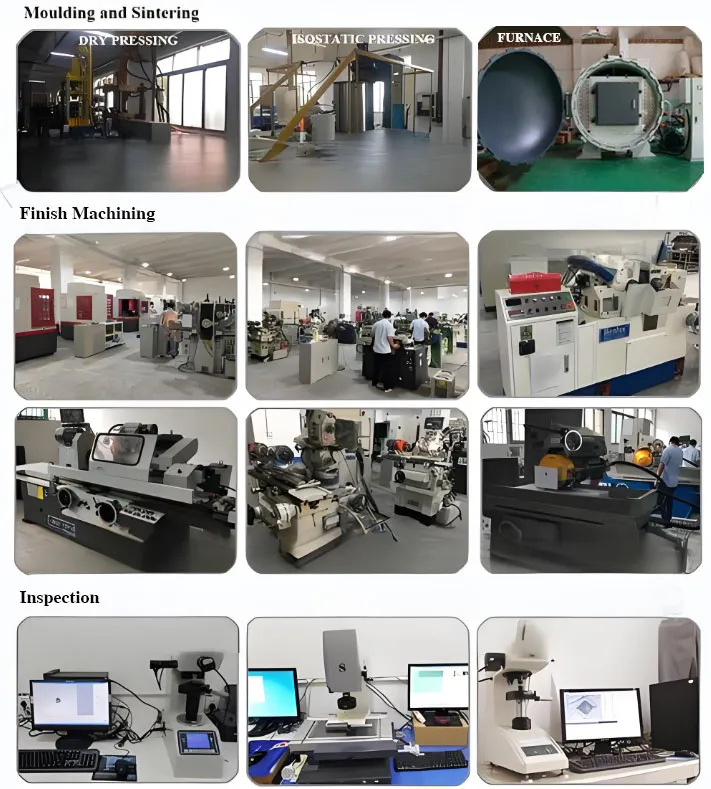
Process of Ceramic Products
Payment Term
T/T, Western Union, Paypal, Credit Card etc.
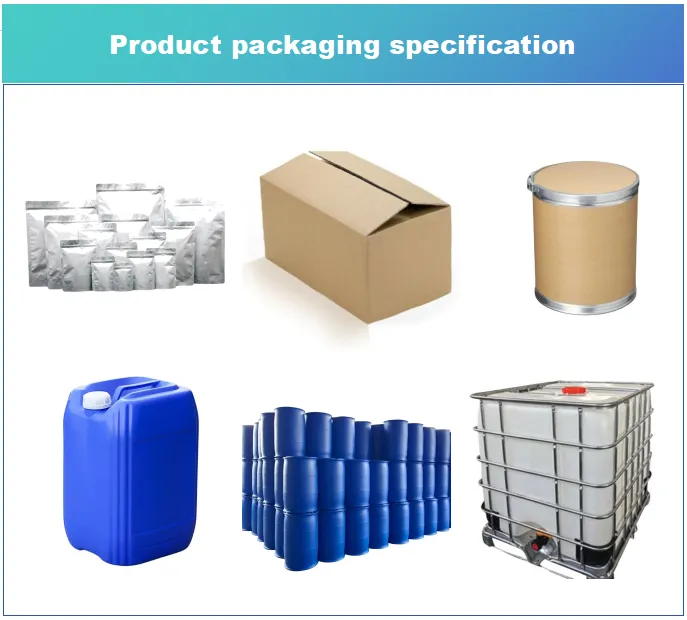
Shipment Term
By air, by sea, by express, as customers request.
5 FAQs About Ceramic Pistons and Plungers
Q1: What is the typical service life of a ceramic plunger?
Compared to metal plungers, ceramic plungers are generally designed for a service life of around 3 years. However, the actual service life may vary depending on specific operating conditions, usage frequency, maintenance, and other factors.
Q2: Why do ceramic plungers blow out?
Possible reasons include the loosening of the plunger rod compression nut, the plunger seal being pressed too tightly, no water intake after the pump is turned on, or the cylinder failing to absorb water, causing the plunger temperature to exceed 80°C and resulting in a blowout.
Q3: What is the temperature resistance of ceramic pistons?
Ceramic pistons generally have better temperature resistance than metal pistons and can withstand higher working temperatures. The upper limit of temperature resistance varies for pistons made of different materials. For example, alumina ceramic pistons are suitable for lower-temperature applications, while high-performance ceramic pistons can maintain stable performance in higher-temperature environments.
Q4: What is the application range of ceramic pistons?
Ceramic pistons can be used in harsh conditions such as high temperature, high pressure, high corrosion, etc., such as in aerospace and aviation engines. In some chemical equipment, ceramic pistons can also resist the erosion of chemical media to ensure the normal operation of the equipment.
Q5: What is the mechanical strength of ceramic pistons?
Compared with metal pistons, ceramic pistons have relatively lower mechanical strength but can still meet usage requirements within a certain range. However, in cases requiring very high mechanical strength, it may be necessary to use special ceramic materials or structures to enhance their strength.