Overview of Aluminum Nitride High Thermal Conductivity Wear Ring
Aluminum Nitride High Thermal Conductivity Wear Ring is a high-performance ceramic product made from aluminum nitride as the primary raw material, featuring excellent thermal conductivity that enables it to conduct heat quickly and effectively reduce the operating temperature of the equipment. At the same time, it exhibits excellent wear resistance, enabling it to withstand high-speed friction loss and thereby extending the equipment's service life. Additionally, the wear ring exhibits good chemical stability and insulation, making it widely used in electronics, machinery, and other fields to enhance the performance and reliability of key equipment components.

Aluminum Nitride High Thermal Conductivity Wear Rings
Characteristics of Aluminum Nitride High Thermal Conductivity Wear Rings
High thermal conductivity
Outstanding thermal conductivity: the thermal conductivity far exceeds that of ordinary materials and can reach 170-230W/(m・K), which can rapidly export the heat, greatly improve the heat dissipation efficiency of the equipment, and effectively avoid the performance degradation and failure caused by the accumulation of heat, and provide a stable working environment for the electronic chip and other high-heat generating components.
Excellent wear resistance
High surface hardness: through a special process, the surface hardness can reach HV1200-1500, which can withstand high-speed and high-frequency friction. In scenarios such as mechanical transmission, it significantly reduces wear and prolongs the overall service life of the equipment.
High strength and rigidity
Excellent compressive performance: compressive strength up to 350-400MPa can withstand greater pressure and impact and still maintain structural integrity in poor working conditions.
Strong chemical stability
Excellent corrosion resistance: strong resistance to acids, alkalis, and other chemicals, making it less prone to chemical reactions and material deterioration in the chemical industry, metallurgy, and other corrosive environments.
Reliable insulation performance
Low dielectric constant: The dielectric constant is as low as 8-9, which not only dissipates heat efficiently in electrical equipment but also plays a good insulating role, ensuring the safe and stable operation of the equipment.
Aluminum Nitride High Thermal Conductivity Wear Ring Specification Table
|
Applications of Aluminum Nitride High Thermal Conductivity Wear Rings
Electronic information field
5G and Artificial Intelligence: With the development of 5G communication and artificial intelligence technology, chip integration and computing speed increase, but the heat problem is becoming increasingly serious. The wear ring can quickly dissipate heat from the chip, and its excellent thermal conductivity can reduce the junction temperature of the chip by 15-20 degrees Celsius, effectively preventing performance degradation and life-shortening due to overheating and laying the foundation for stable operation of servers, data centers, and other large-scale electronic equipment.
High-power semiconductor devices, such as IGBT modules (insulated gate bipolar transistor modules) and other equipment, not only bear the burden of heat dissipation but also ensure the safe operation of the device in high-voltage, high-current environments due to their good insulation properties.
New Energy Vehicle Industry
Heat dissipation in electric drive systems: In vehicle inverters, the power conversion process generates a significant amount of heat, and the use of this wear-resistant ring can quickly dissipate the heat, improving the inverter's efficiency by 3%-5%. Its wear-resistant characteristics can adapt to the vibration and impact in the vehicle environment, ensuring the long-term stable operation of the equipment.
Battery management system: accurately controls the temperature of the battery pack, avoiding safety hazards caused by local overheating, improving battery range and service life, and providing technical support for the popularization and development of new energy vehicles.
Machining field
High-speed friction scenario: as a protective ring for key moving parts of machine tools, automated production lines and other equipment, it can withstand friction at a linear speed of more than 10m/s, and the amount of wear and tear is reduced by more than 60% compared with traditional materials, which significantly reduces the frequency and cost of equipment maintenance.
Precision machining assistance: rapid conduction of heat generated during the cutting process, preventing overheating and wear of cutting tools, and improving machining accuracy and surface quality.
Aerospace
Extreme environment application: With excellent high-temperature, high-temperature resistance, and radiation resistance, it is used in key components of aviation engines and satellite electronic equipment. In extreme high-altitude environments, it can not only efficiently dissipate heat to ensure the normal operation of the equipment but also resist high-speed airflow wash and space particle radiation, thereby enhancing the reliability and safety of the aircraft.
Medical equipment field
Large medical equipment, such as CT and MRI scanners, helps dissipate heat quickly to ensure the stability and accuracy of the imaging system. At the same time, its good biocompatibility and chemical stability help avoid adverse effects on the human body, providing reliable protection for medical diagnosis and treatment.
Company Profile
Luoyang Tongrun Nano Technology Co. Ltd. (TRUNNANO) is a trusted global chemical material supplier & manufacturer with over 12-year-experience in providing super high-quality chemicals and nanomaterials, including boride powder, nitride powder, graphite powder, ceramic products, 3D printing powder, etc.
The company has a professional technical department and Quality Supervision Department, a well-equipped laboratory, and equipped with advanced testing equipment and after-sales customer service center.
If you are looking for high-quality Ceramic Products please feel free to contact us or click on the needed products to send an inquiry.
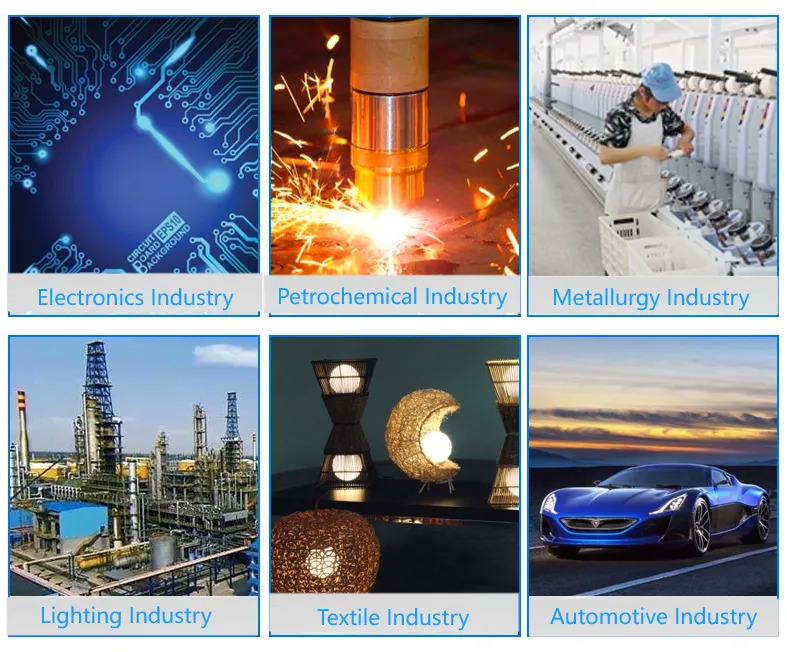
Applications of Ceramic Products
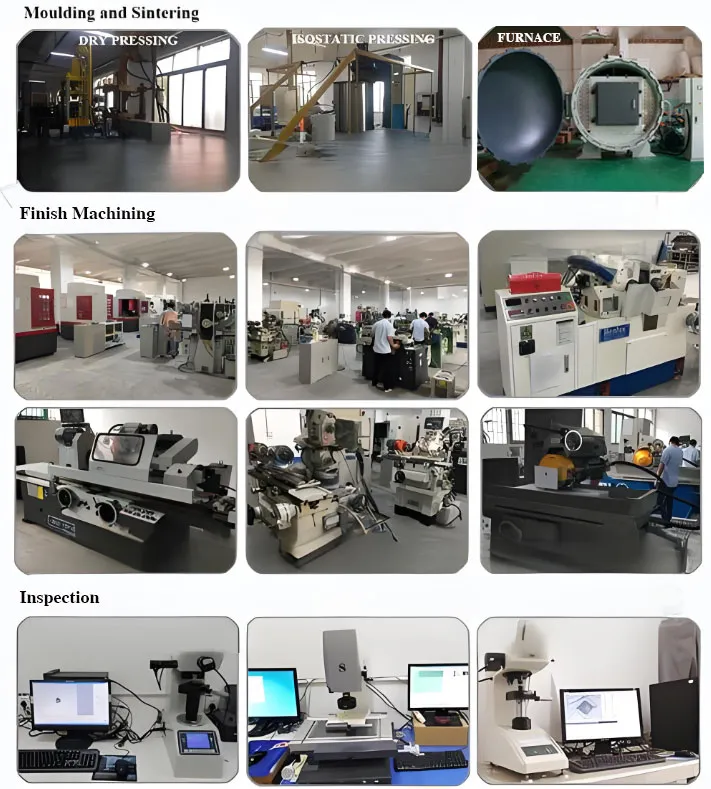
Process of Ceramic Products
Payment Term
T/T, Western Union, Paypal, Credit Card etc.
Shipment Term
By air, by sea, by express, as customers request.
Frequently Asked Questions about Aluminum Nitride High Thermal Conductivity Wear Rings
Q1: Will the performance of Aluminum Nitride High Thermal Conductivity Wear Rings decrease after long-term use?
Under normal working conditions, Aluminum Nitride Wear Rings can be in service for several years. However, high temperatures, high humidity, or high-stress environments may accelerate wear or hydrolysis. It is recommended to check the surface wear regularly (if grooves need to be replaced in a timely manner).
Q2: Are aluminum nitride products environmentally friendly?
Most Aluminum Nitride ceramics are RoHS compliant and do not contain hazardous substances such as lead and mercury, making them suitable for use in electrical and electronic equipment. Some manufacturers also offer FDA-approved products to meet the needs of the medical field.
Q3: Do you support customized Aluminum Nitride High Thermal Conductivity Wear Rings?
It can be customized according to size (e.g.,, inner diameter 6-410mm, thickness 2-20mm), shape (ring, shaped), and performance requirements (e.g.,, higher thermal conductivity or hardness). We need to provide drawings or parameter requirements.
Q4: What is the price of Aluminum Nitride High Thermal Conductivity Wear Rings?
The price varies according to the specification, process and batch quantity. The unit price for small samples is approximately $10-$ 100, while large sizes or high-precision products can cost thousands of dollars. Therefore, we suggest contacting our suppliers for a customized quote.
Q5: Is aluminum nitride material fragile?
Aluminum nitride ceramics are hard but brittle, so avoid impact or collision with sharp objects. Impact resistance can be improved by optimizing the structural design (e.g., adding chamfers) or by using a composite process (e.g., metal inlay).