Overview of Silicon Carbide Roller
Silicon Carbide Roller is a kind of industrial roller made of silicon carbide as the main raw material. It has high strength, high hardness, high temperature resistance, wear resistance, oxidation resistance and other excellent properties. Widely used in metallurgy, glass, ceramics and other industries, Silicon Carbide Roller can be used in transmission, heating, molding and other processes, can withstand heavy loads at high temperatures, it is a kind of industrial key component with excellent performance.
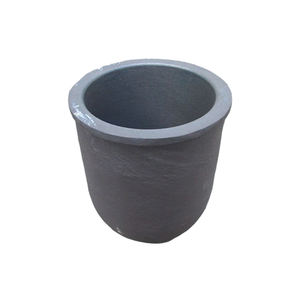
Silicon Carbide Roller
Features of Silicon Carbide Roller
The following features characterize Silicon Carbide Rollers:
High Hardness and Strength: Silicon carbide is extremely hard, second only to diamond. Rollers made from this material can withstand significant pressure and load without deforming, ensuring stable, long-term operation in industrial settings.
Good High-Temperature Resistance: Silicon carbide rollers can withstand high-temperature environments, can be used normally at temperatures of 1600 ℃ or even higher, and still maintain good mechanical properties at high temperatures, will not be damaged due to thermal stress, suitable for a variety of high-temperature processing techniques.
Excellent Wear Resistance: The high hardness and stable crystal structure of silicon carbide rollers provide excellent wear resistance. Even under harsh working conditions with high speeds, high pressure, and abrasive scrubbing, they can effectively resist wear, prolonging their service life and reducing maintenance costs.
Good Thermal Conductivity: Silicon carbide has a high thermal conductivity, which can quickly and evenly transfer heat, so that the processed material is heated evenly, improving product quality, and also helps to improve production efficiency.
Strong Chemical Stability: Silicon Carbide Rollers exhibit excellent chemical stability and are resistant to corrosion in various chemical environments. Whether in acidic or alkaline conditions, they maintain stable performance, making them suitable for a wide range of production scenarios with different chemical requirements.
Specifications Table of Silicon Carbide Roller
| Item |
Data |
| SiC content |
>85% |
| Density |
>3.02 g/cm³ |
| Porosity |
<0.1% |
| Bending strength at 20℃ |
260 MPa |
| Bending strength at 1200℃ |
280 MPa |
| Compressive strength at 20℃ |
≥900 MPa |
| Hardness |
2400 kg/mm² |
| Thermal conductivity at 1200℃ |
45 W/(m·K) |
| Coefficient of thermal expansion |
4.5×10⁻⁶ /℃ |
| Maximum service temperature |
1380℃ |
|
Applications of Silicon Carbide Roller
Glass Industry: In the glass annealing furnace, Silicon Carbide Roller can withstand high temperature and maintain good rigidity to ensure the smooth transmission of glass in the annealing process, reduce scratches and deformation on the glass surface, and improve the flatness and quality of glass. At the same time, its good thermal conductivity helps to heat the glass uniformly, making the annealing effect better.
Ceramic Industry: Silicon carbide rollers are used in the drying and sintering processes of ceramic tiles. During drying, they quickly conduct heat, ensuring even drying of ceramic tile blanks and reducing defects caused by uneven drying. In the sintering process, they withstand high temperatures, ensuring smooth sintering and molding of ceramic tiles. Their wear and corrosion resistance prevent contamination of the tiles, improving tile quality and production efficiency.
Metallurgical Industry: In the heat treatment of metal strips, silicon carbide rollers support and transport metal strips in high-temperature environments. Their high strength and high-temperature performance ensure the metal strips maintain good shape and performance during treatment, improving the quality and performance of the metal materials.
Electronics Industry: In semiconductor wafer processing, silicon carbide rollers are used for wafer transfer and positioning. Their high-precision surface quality and stable performance ensure accurate wafer positioning, reducing breakage and defects, and improving the production yield of semiconductor devices.
Company Profile
Luoyang Tongrun Nano Technology Co. Ltd. (TRUNNANO) is a trusted global chemical material supplier & manufacturer with over 12-year-experience in providing super high-quality chemicals and nanomaterials, including boride powder, nitride powder, graphite powder, ceramic products, 3D printing powder, etc.
The company has a professional technical department and Quality Supervision Department, a well-equipped laboratory, and equipped with advanced testing equipment and after-sales customer service center.
If you are looking for high-quality Ceramic Products please feel free to contact us or click on the needed products to send an inquiry.
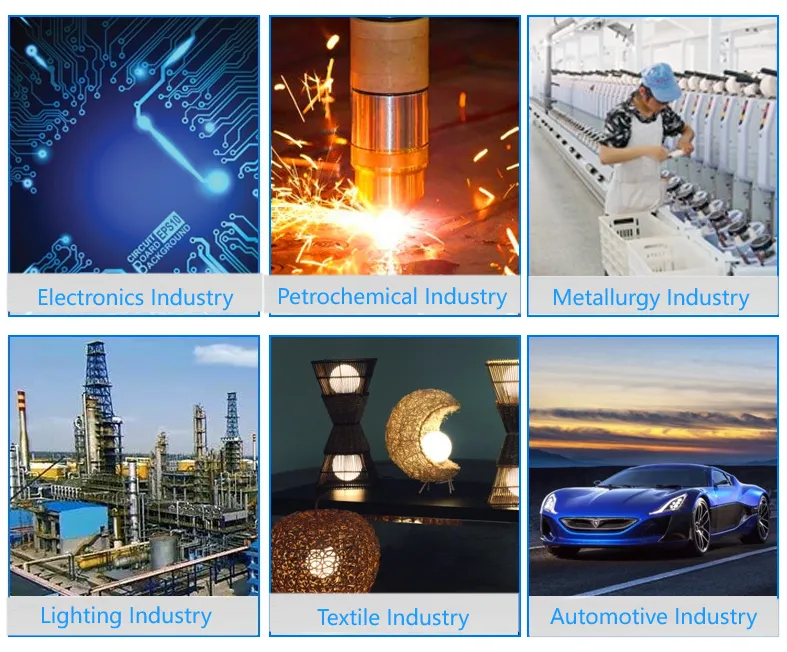
Applications of Ceramic Products
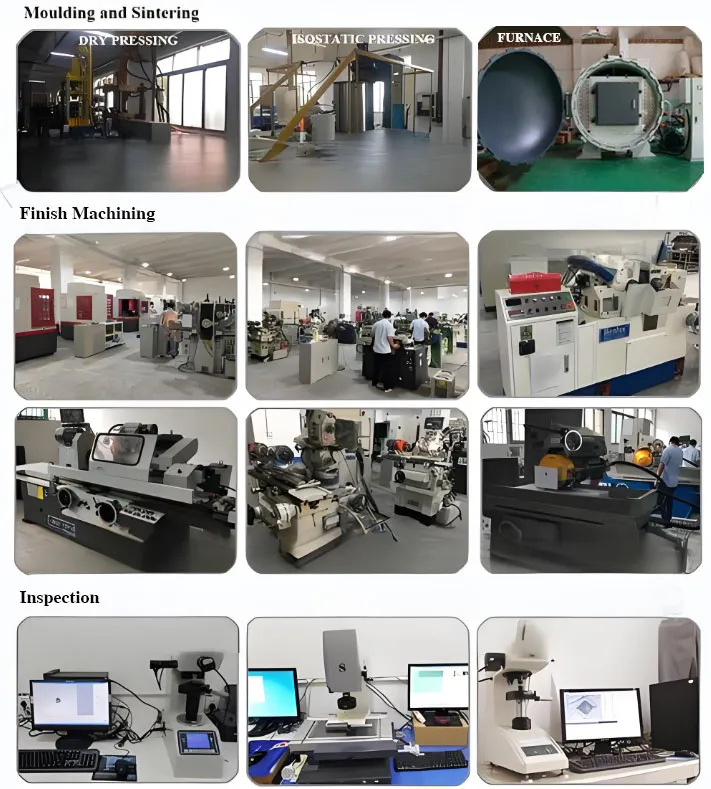
Process of Ceramic Products
Payment Term
T/T, Western Union, Paypal, Credit Card etc.
Shipment Term
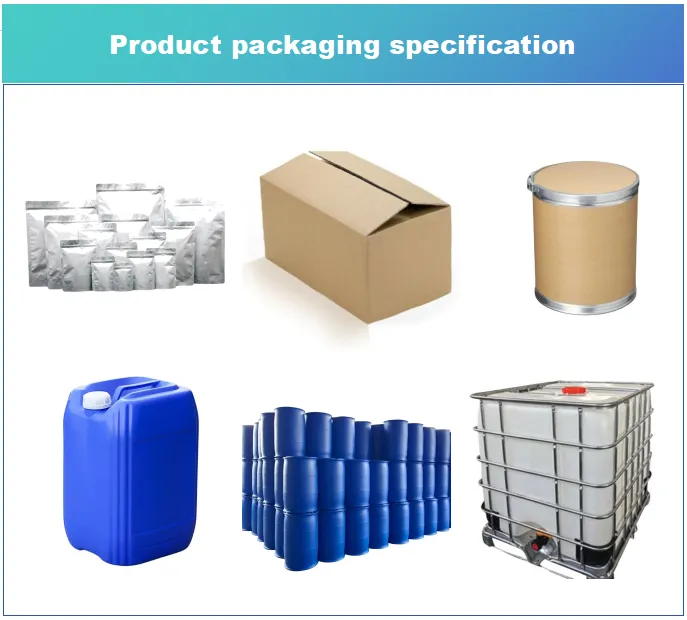
By air, by sea, by express, as customers request.
5 FAQs of Silicon Carbide Roller
Q1: What is the difference between silicon carbide rollers and traditional materials (e.g., steel, ceramics)?
Compared to steel, silicon carbide has only one-third the density but offers better high-temperature resistance (above 1600°C) and wear resistance, with no risk of oxidation. Compared to alumina ceramics, silicon carbide has more than three times the thermal conductivity, better thermal shock resistance, and a service life up to 10 times longer. For example, in lithium kilns, the high-temperature carrying capacity of silicon carbide rollers is five times higher than that of alumina ceramics, and they are less likely to rupture due to thermal stress.
Q2: What is the high-temperature limit of silicon carbide rollers?
Ordinary reaction-sintered silicon carbide rollers can withstand long-term use below 1380°C. High-refractoriness and low-expansion products (e.g., those with added flux and special sintering processes) can operate stably at temperatures between 1800°C and 2200°C. These rollers have a thermal expansion coefficient as low as 4×10⁻⁶/°C, offering excellent thermal shock resistance.
Q3: In which industries are silicon carbide rollers typically used?
Glass Industry: Used in annealing furnaces to ensure uniform heating of glass and reduce deformation. For example, a glass factory increased its product yield by 15% after adopting silicon carbide rollers.
Ceramic Industry: Used in roller kilns to support billet sintering, with high-temperature creep resistance and a lifespan of over 12 months.
Metallurgical Industry: Used in the heat treatment of steel strips, where they withstand high temperatures and heavy loads, and their surfaces are less prone to tumor formation.
Lithium Industry: Used for the transmission of positive and negative electrode materials, with corrosion resistance and the ability to operate long-term in a strong ionic environment.
Q4: How to extend the service life of silicon carbide rollers?
Avoid Sudden Cooling and Heating: In roller kilns, the rate of temperature rise and fall should be controlled at 3~5°C/min to prevent thermal stress cracking.
Regular Cleaning: Remove glass, liquid or ceramic glaze adhering to the surface to avoid localized corrosion.
Surface Treatment: Use tungsten carbide-coated molds or super-hard material coatings to reduce wear during extrusion molding.
Reasonable Load: Control the load-bearing weight according to the diameter and length of the rollers (e.g., Φ50mm rollers can bear
50kg/m at 1400°C).
Q5: How long is the service life of silicon carbide rollers?
Glass Annealing Furnace: Typically 2~3 years.
Ceramic Kiln: 1~2 years.
Lithium Industry: About 6~12 months due to more severe working conditions.
By optimizing the formula (e.g., adding nano carbon black), the lifespan of some high-end products can be extended to over 3 years.