Overview of Alumina Components
Alumina components are industrial parts with alumina (Al₂O₃) as the core material. With its excellent physical, chemical and mechanical properties, alumina components have become the key basic materials in modern industrial fields such as electronics, machinery, chemical industry and aerospace.
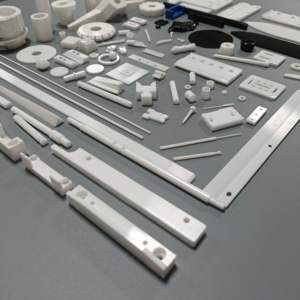
Alumina Components
Mechanical and wear-resistant properties: alumina components have a Mohs hardness of 9 (second only to diamond), a flexural strength of 350-400 MPa, and a compressive strength of 3000-3500 MPa, which makes them excellent in high-load friction scenarios, such as mechanical seals and abrasive balls, etc., and they can withstand long-term high-strength wear and tear while maintaining their structural integrity, which significantly reduces the frequency of equipment maintenance.
Electrical insulation properties: dielectric strength > 15 kV/mm, dielectric constant 10-11 (1 MHz), stable insulation in high-voltage environments. Typical applications include integrated circuit substrates, chip packaging materials, etc., effectively preventing leakage and short-circuit risk to ensure the safe operation of electronic equipment in high-power working conditions.
Chemical Stability: Inert in a wide range of pH 1-14, with acid/alkali corrosion resistance >98%. In the chemical industry, it is used in the manufacture of corrosion-resistant pipelines, reactor lining, etc., which can withstand strong corrosive media such as sulfuric acid and sodium hydroxide for a long time, and its service life is 3-5 times longer than that of metal parts.
Thermal stability and environmental adaptability: coefficient of thermal expansion 7.5-8.0×10-⁶/K, can maintain dimensional stability in a wide temperature range from - 50°C to 1700°C. In the aerospace field, it is used as the engine heat shield material, which can withstand the impact of high-temperature gas at 1500°C, and at the same time, it will not be brittle under an extremely low-temperature environment.
Aluminum Oxide Component Specifications
| Parameter |
Specification |
| Material |
Aluminum Oxide (Al₂O₃) |
| Purity |
≥99.5% |
| Hardness |
Mohs Scale: 9 |
| Density |
3.95-4.00 g/cm³ |
| Porosity |
<1% |
| Flexural Strength |
350-400 MPa |
| Compressive Strength |
3000-3500 MPa |
| Thermal Conductivity |
20-30 W/m·K |
| Thermal Expansion Coefficient |
7.5-8.0 x 10⁻⁶/K |
| Dielectric Constant |
10-11 (at 1 MHz) |
| Dielectric Strength |
>15 kV/mm |
| Chemical Resistance |
Excellent resistance to acids and alkalis |
| Operating Temperature Range |
-50°C to 1700°C |
| Surface Finish |
Smooth, with surface roughness <0.5 µm |
| Dimensional Tolerance |
±0.1 mm (standard) |
| Color |
White |
| Shape |
Customizable (e.g., discs, rods, tubes) |
| Application |
Electronics, mechanical seals, wear parts, insulators |
|
Applications of Aluminum Oxide Components
Electronic Information Field
Semiconductor manufacturing: used as the inner lining of MOCVD equipment, resistant to 1200°C high temperature and trimethylaluminum corrosion, guaranteeing the purity of GaN epitaxial wafer growth;
5G communication: used in base station RF module heat dissipation substrate, thermal conductivity 20-30 W/m・K, 5 times higher than traditional FR-4 substrate.
High-end manufacturing field
Aero-engine: turbine blade coating material, reducing substrate temperature by 300°C through thermal barrier coating technology, improving fuel efficiency by 5%;
Precision molds: injection mold cores, surface hardness HRC 80+, a life expectancy of more than a million times, suitable for optical lenses and other high-precision parts production.
Energy and environmental protection field
Fuel cell: solid oxide fuel cell (SOFC) electrolyte support layer, achieving ionic conductivity ≥ 0.1 S/cm at 800°C;
Environmental protection equipment: catalytic combustion carrier for industrial waste gas treatment, resistant to 1000°C high temperature and sulfur oxide corrosion, catalytic efficiency increased by 20%.
Medical and health field
Orthopedic implants: artificial hip joint head, coefficient of friction < 0.02, wear rate < 0.1 mm/10 years, biocompatibility certified by ISO 10993;
Medical devices: dental implant abutments with hydroxyapatite-coated surfaces, 40% faster osseointegration.
Company Profile
Luoyang Tongrun Nano Technology Co. Ltd. (TRUNNANO) is a trusted global chemical material supplier & manufacturer with over 12-year-experience in providing super high-quality chemicals and nanomaterials, including boride powder, nitride powder, graphite powder, ceramic products, 3D printing powder, etc.
The company has a professional technical department and Quality Supervision Department, a well-equipped laboratory, and equipped with advanced testing equipment and after-sales customer service center.
If you are looking for high-quality Ceramic Products please feel free to contact us or click on the needed products to send an inquiry.
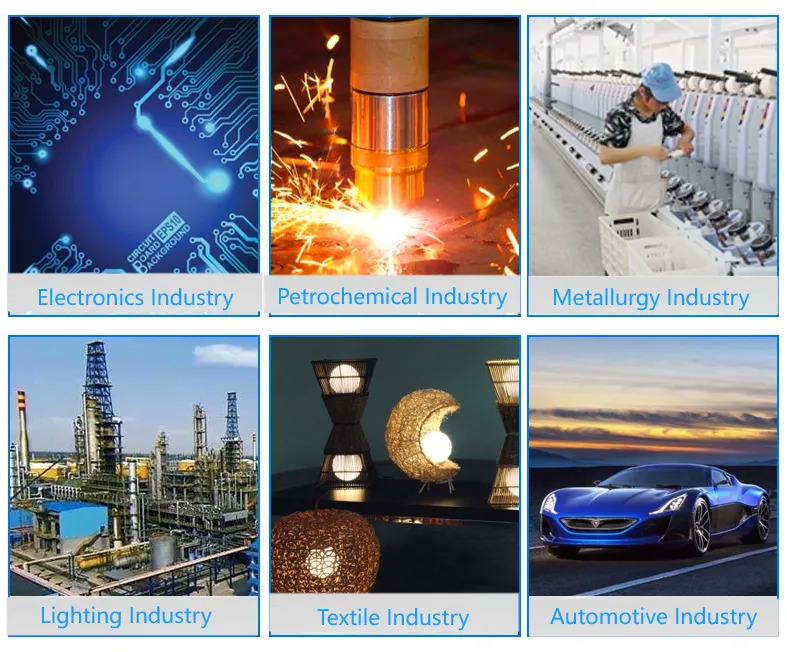
Applications of Ceramic Products
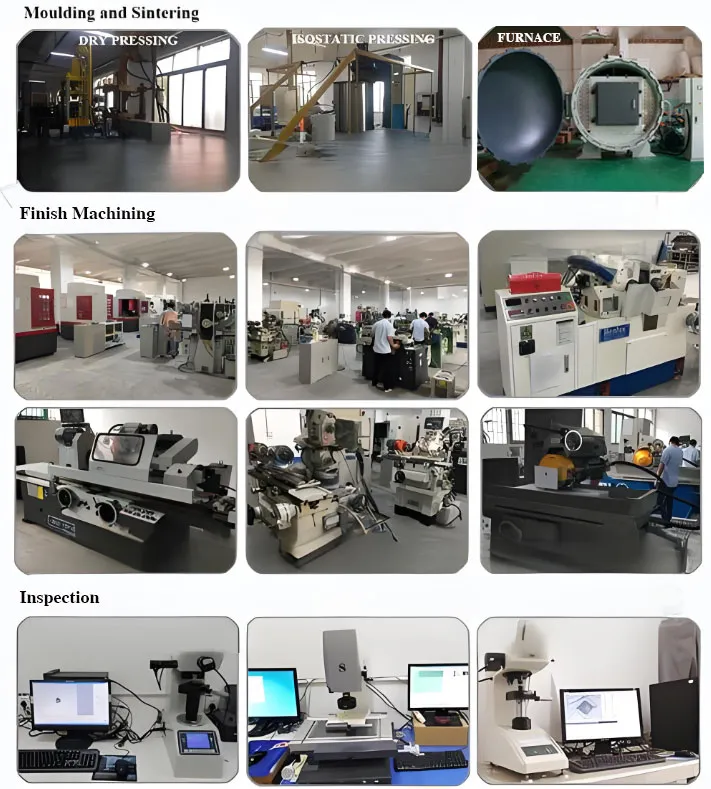
Process of Ceramic Products
Payment Term
T/T, Western Union, Paypal, Credit Card etc.
Shipment Term
By air, by sea, by express, as customers request.
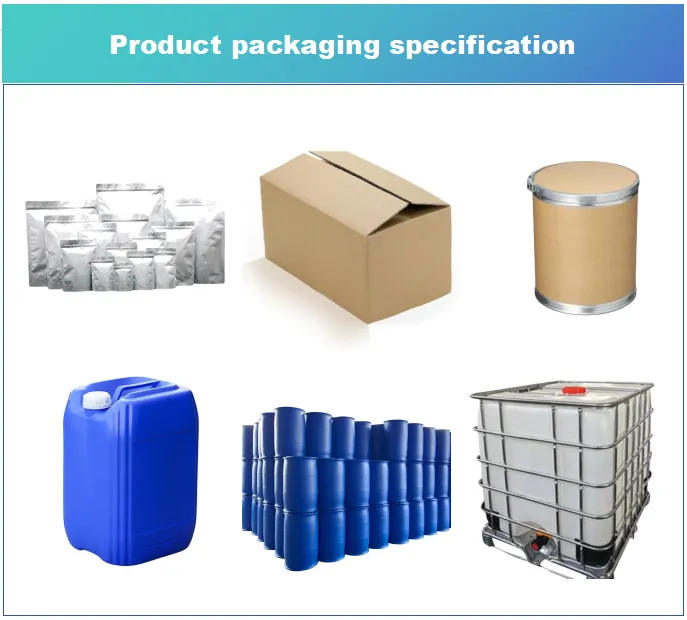
5 Five Frequently Asked Questions about Aluminum Oxide Components
Q1: How do I assess the wear life of an aluminum oxide component?
Through abrasive wear testing (e.g., ASTM G65 standard), standard specimens wear < 0.01 mg/km at 10 N load, 200 rpm, and life prediction model error < 5%.
Q2: What is the cost difference between high-purity and conventional alumina components?
The cost of 99.9% purity components is 20-30% higher than 99.5% products, mainly due to the additional investment in nano-powder raw materials and vacuum sintering process, which is suitable for semiconductor, medical and other impurity-sensitive scenarios.
Q3: Can alumina components be used in a DC high-voltage electric field environment?
DC dielectric strength > 25 kV/mm, volume resistivity > 10¹⁴ Ω・cm, which meets the insulation requirements of ±800 kV ultra-high voltage equipment and has passed the State Grid type test.
Q4: What are the specific indicators for biocompatibility testing of alumina components?
The cytotoxicity test (ISO 10993-5) shows that the cell survival rate of the extracted liquid is > 95%; the sensitization test (ISO 10993-10) shows no positive reaction, which is in line with the standard for medical implants.
Q5: What is the oxidation resistance of alumina components at extreme temperatures?
Oxidized weight gain < 0.5 mg/cm² at 1600°C in air atmosphere, dense Al₂O₃ protective film forms on the surface, preventing further oxidation, suitable for open-top high-temperature kilns.