Unveiling the Synergy: The Science and Applications of Ultrafine Zinc Stearate in Emulsion Systems
Views : 527
Author : Vincy
Update time : 2025-08-21 16:13:29
Ultrafine zinc stearate, a modified form of traditional zinc stearate, has emerged as a critical additive in modern industrial formulations, particularly in emulsion-based systems. Its unique particle size distribution, surface properties, and chemical stability enable it to enhance performance across diverse sectors, from cosmetics to advanced materials. This article explores the synthesis, functional mechanisms, and applications of ultrafine zinc stearate in emulsions, emphasizing its role in improving stability, texture, and durability. By dissecting its interaction with emulsion components and real-world use cases, we aim to provide a comprehensive understanding of this multifunctional material.
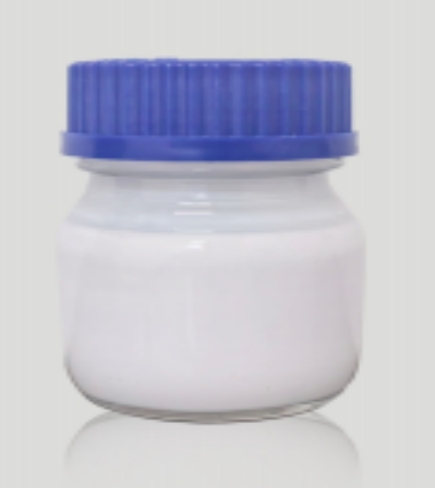
Ultrafine zinc stearate
1.Ultrafine Zinc Stearate: Composition and Synthesis
1.1 Molecular Structure and Particle Characteristics Zinc stearate is a zinc salt of stearic acid (C18H36O2Zn), a long-chain fatty acid. Ultrafine zinc stearate distinguishes itself through its sub-micron particle size (typically <1 µm), achieved via advanced milling or precipitation techniques. This reduction in particle size significantly increases surface area, altering its physical and chemical behavior compared to conventional zinc stearate. 1.1.1Surface Energy and Agglomeration Resistance The high surface energy of ultrafine particles promotes better dispersion in liquid media, reducing agglomeration—a common challenge in traditional zinc stearate applications. 1.1.2Morphological Control Synthesis methods like wet grinding or solvent precipitation allow precise control over particle shape (e.g., spherical, flake-like), enabling tailored functionality for specific emulsion systems. 1.2 Synthesis Methods 1.2.1Precipitation Method Zinc ions (Zn²⁺) react with stearate anions (C18H35O2⁻) in a controlled environment to form ultrafine particles. Adjusting pH, temperature, and solvent composition optimizes particle size and distribution. 1.2.2Mechanical Milling High-energy ball milling physically reduces particle size by breaking down bulk zinc stearate. This method is cost-effective but requires post-processing to eliminate residual impurities. 1.2.3Sol-Gel Process A less common but precise technique involving condensation of zinc and stearic acid precursors, yielding nanoparticles with uniform morphology.
2.Emulsion Systems: Fundamentals and Challenges
2.1 Definition and Types of Emulsions Emulsions are colloidal dispersions of two immiscible liquids (e.g., oil and water), stabilized by surfactants or emulsifiers. They are classified as:
Oil-in-Water (O/W): Droplets of oil dispersed in water (e.g., lotions, creams).
Water-in-Oil (W/O): Droplets of water dispersed in oil (e.g., butter, sunscreens).
2.2 Key Stability Challenges 2.2.1Phase Separation Emulsions are thermodynamically unstable, prone to creaming (oil droplets rising) or sedimentation (water droplets sinking) due to density differences. 2.2.2Ostwald Ripening Smaller droplets dissolve and redeposit onto larger ones, accelerating instability over time. 2.2.3Environmental Stressors Temperature fluctuations, pH changes, and mechanical shear (e.g., pumping, stirring) can disrupt emulsion integrity.
3.Role of Ultrafine Zinc Stearate in Emulsion Stability
3.1 Mechanisms of Stabilization 3.1.1Steric Hindrance Ultrafine zinc stearate particles adsorb onto droplet surfaces, forming a protective layer that prevents coalescence. Their small size ensures dense coverage, enhancing steric repulsion between droplets. 3.1.2Viscosity Modulation By interacting with continuous-phase components (e.g., polymers, thickeners), ultrafine zinc stearate increases emulsion viscosity, slowing droplet movement and phase separation. 3.1.3Electrostatic Stabilization In some formulations, zinc stearate may ionize slightly, imparting a negative charge to droplets and promoting repulsion via electrostatic forces. 3.2 Synergistic Effects with Surfactants 3.2.1Co-Stabilization When combined with surfactants like sodium lauryl sulfate (SLS) or polysorbates, ultrafine zinc stearate reduces the critical micelle concentration (CMC), enhancing emulsification efficiency. 3.2.2Reduction of Surfactant Dosage Its stabilizing properties allow formulators to decrease surfactant content, minimizing skin irritation in cosmetics or environmental impact in industrial applications.
4.Applications Across Industries
4.1 Cosmetics and Personal Care 4.1.1Sunscreens Ultrafine zinc stearate improves the spreadability of zinc oxide-based sunscreens, ensuring uniform UV protection without a white cast. 4.1.2Makeup Products In foundations and powders, it acts as a matting agent, absorbing excess oil while maintaining a smooth texture. 4.2 Pharmaceuticals 4.2.1Topical Drug Delivery Emulsions stabilized by ultrafine zinc stearate enhance the bioavailability of lipophilic drugs by improving skin penetration and controlled release. 4.2.2Ophthalmic Formulations Its biocompatibility makes it suitable for eye drops, where it prevents droplet coalescence without irritating sensitive tissues. 4.3 Coatings and Paints 4.3.1Anti-Settling Agent In waterborne coatings, ultrafine zinc stearate prevents pigment sedimentation, ensuring consistent color distribution and reducing waste. 4.3.2Scratch Resistance By forming a hard, lubricious film on dried coatings, it enhances surface durability against abrasion. 4.4 Plastics and Polymers 4.4.1Lubrication and Mold Release Added to polymer melts, it reduces friction between particles, facilitating smooth processing and preventing adhesion to molds. 4.4.2Flame Retardancy In polyolefins, zinc stearate catalyzes char formation during combustion, improving fire resistance without compromising mechanical properties.
5.Advantages Over Traditional Additives
5.1 Enhanced Performance at Lower Concentrations Due to its high surface activity, ultrafine zinc stearate requires doses 30–50% lower than conventional grades to achieve equivalent stabilization. 5.2 Environmental and Safety Benefits 5.2.1Reduced Heavy Metal Content Modern synthesis methods minimize trace impurities (e.g., lead, arsenic), aligning with regulatory standards like REACH and FDA. 5.2.2Biodegradability Unlike synthetic polymers or silicone-based stabilizers, zinc stearate degrades naturally, reducing long-term environmental impact. 5.3 Cost-Effectiveness Despite higher initial production costs, its efficiency extends product shelf life and reduces rework, offsetting expenses over time.
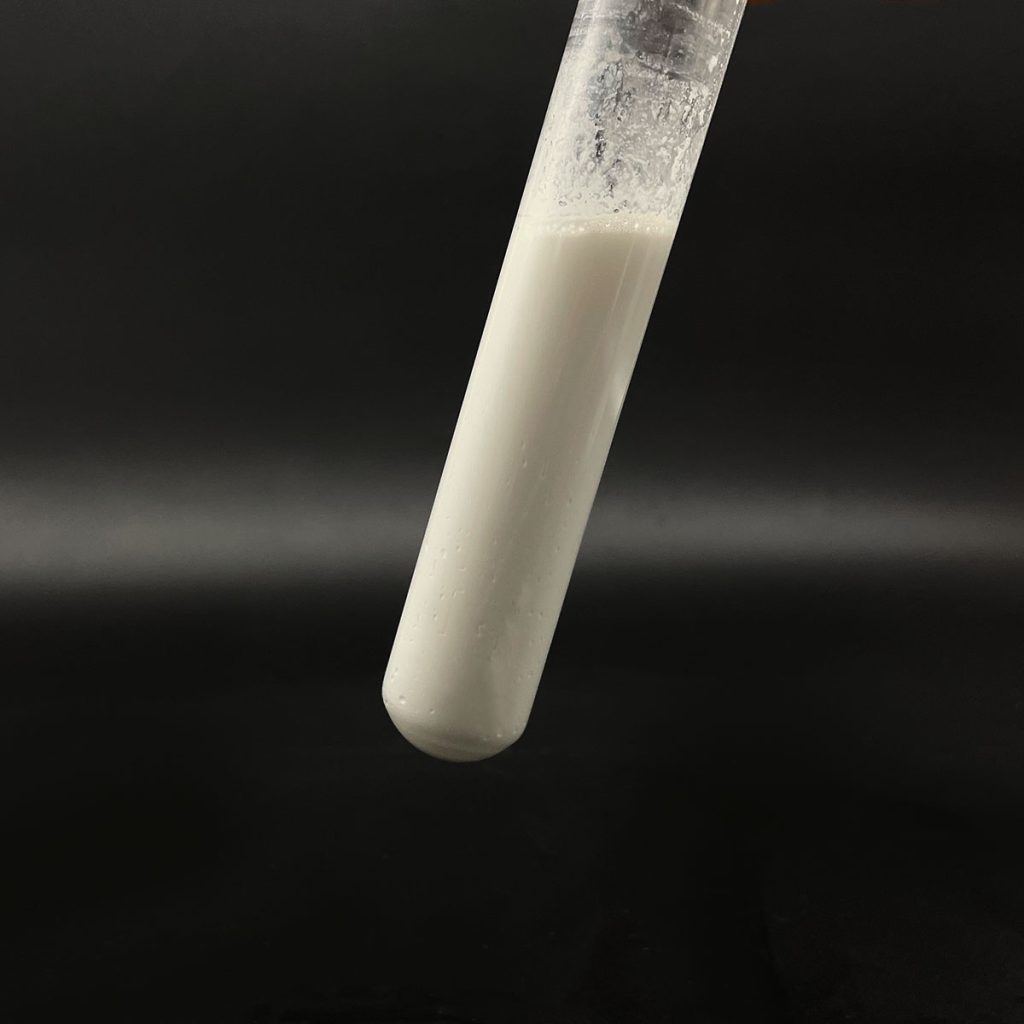
Ultrafine zinc stearate
6.Future Perspectives and Innovations
6.1 Nanotechnology Integration Researchers are exploring zinc stearate nanoparticles (10–100 nm) for ultra-stable emulsions in drug delivery and nanoencapsulation, where traditional additives fail. 6.2 Mixed materials Combining ultrafine zinc stearate with graphene oxide or cellulose nanocrystals could yield multifunctional emulsions with electrical conductivity or self-healing properties. 6.3 Sustainable Synthesis Green chemistry approaches, such as bio-based stearic acid from plant oils or microwave-assisted precipitation, aim to reduce energy consumption and waste in production.
7. Conclusion
Ultrafine zinc stearate represents a paradigm shift in emulsion technology, offering unparalleled stability, versatility, and sustainability. Its ability to address longstanding challenges in formulation science positions it as an indispensable tool across industries, from cosmetics to advanced materials. As research continues to unlock its full potential, this material is poised to redefine the boundaries of emulsion-based applications, driving innovation in an increasingly complex and demanding market. By bridging the gap between theoretical chemistry and practical engineering, ultrafine zinc stearate exemplifies how nanoscale modifications can yield macroscale benefits—a testament to the power of material science in shaping the future of industry.
8. Supplier
TRUNNANOis a globally recognized Ultrafine zinc stearate manufacturer and supplier of compounds with more than 12 years of expertise in the highest quality nanomaterials and other chemicals. The company develops a variety of powder materials and chemicals. Provide OEM service. If you need high quality Ultrafine zinc stearate, please feel free to contact us. You can click on the product to contact us. (sales5@nanotrun.com) Tags: Ultrafine zinc stearate, zinc stearate, zinc stearateemulsion