Unveiling the Micron Divide: A Comparative Analysis of Ultrafine Zinc Stearate and Conventional Zinc Stearate Powder
Views : 284
Author : Vincy
Update time : 2025-12-03 15:45:00
1. Superfine Zinc Stearate vs. Conventional Zinc Stearate Powder: Fundamental Properties and Core Distinctions
This article delves into the critical differences between superfine zinc stearate powder and its conventional counterpart. While both are chemically identical compounds, primarily serving as lubricants and release agents, their physical characteristics, manufacturing processes, performance attributes, and application scopes diverge significantly due to variations in particle size and morphology. Understanding these distinctions is paramount for industries seeking optimal performance and efficiency.
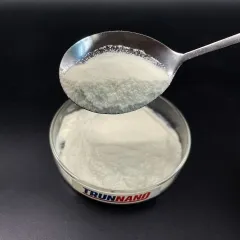
Zinc Stearate
2. Physical and Chemical Characteristics: The Impact of Particle Size
The most striking difference lies in the microscopic realm of particle dimensions. This fundamental variation cascades into a range of distinct physical properties that directly influence functionality. 2.1 Particle Size and Morphology 2.1.1 Particle Dimensions: Conventional zinc stearate powder typically consists of particles ranging from several micrometers to tens of micrometers in diameter. In contrast, superfine zinc stearate features significantly reduced particle sizes, often falling within the sub-micrometer to low micrometer range, sometimes approaching the nanometer scale. This drastic reduction in size represents the core distinction. 2.1.2 Surface Area and Porosity: The substantial increase in total surface area per unit mass is a direct consequence of miniaturization. Superfine particles possess vastly greater surface areas compared to conventional powder aggregates of similar weight. This heightened surface exposure can influence interactions with other materials. Morphologically, superfine powders may exhibit different crystalline habits or agglomeration tendencies compared to the coarser, more irregular particles of the conventional type. 2.2 Flowability, Dispersibility, and Sensory Attributes 2.2.1 Flow Behavior: Counterintuitively, extremely fine powders like superfine zinc stearate can sometimes exhibit poorer flowability than coarser powders due to increased interparticle forces like van der Waals attraction and electrostatic effects. Conventional powder, with larger particles and less surface interaction, generally flows more freely. However, specific processing or additives can mitigate this issue in superfine grades. 2.2.2 Dispersion Quality: Superfine zinc stearate demonstrates superior dispersibility in various media, including polymers, coatings, and rubber compounds. Its small size allows it to integrate more uniformly, reducing the formation of lumps or clusters. Conventional powder, with larger particles, is more prone to agglomeration and requires more energy or shear force to achieve comparable dispersion. 2.2.3 Hiding Power and Texture: In applications like paints, coatings, or cosmetics, the finer particles of superfine zinc stearate provide better coverage (hiding power) and a smoother, less gritty feel compared to the perceptible texture left by coarser conventional powder.
3. Manufacturing Processes: Engineering the Particle
The divergent properties stem directly from fundamentally different production methodologies designed to either create or refine the particle size. 3.1 Conventional Zinc Stearate Production 3.1.1 Precipitation Method: The primary route involves reacting aqueous solutions of zinc salts, such as zinc chloride or zinc sulfate, with sodium stearate. Sodium stearate itself is typically produced by neutralizing stearic acid with sodium hydroxide. The reaction yields zinc stearate as a precipitate, which is then filtered, washed, and dried. This process naturally results in particles of a certain, relatively larger size distribution. 3.1.2 Milling and Classification: To achieve specific particle size targets within the conventional range, the dried precipitate may undergo mechanical grinding (milling) using equipment like ball mills, jet mills, or hammer mills. Subsequent classification steps, such as sieving or air separation, help isolate fractions within the desired micron range. The final product reflects the limitations and typical outcomes of these size-reduction techniques. 3.2 Superfine Zinc Stearate Production 3.2.1 Controlled Precipitation and Nucleation: Achieving superfine particles often starts with a carefully controlled precipitation process. Factors like reactant concentration, temperature, pH, mixing speed, and the use of specific additives are meticulously optimized to promote rapid nucleation of a large number of tiny crystals while simultaneously inhibiting their subsequent growth. This creates a high population of small primary particles. 3.2.2 Advanced Comminution Techniques: While some superfine grades arise directly from controlled precipitation, others are produced by subjecting conventionally precipitated material to intense, specialized milling processes. High-energy bead mills, sophisticated jet pulverization systems, or even wet grinding followed by spray drying can fracture larger particles into much smaller ones. These methods require precise control to avoid excessive heat generation or contamination and to achieve narrow particle size distributions characteristic of superfine products.
4. Application Domains: Matching Performance to Need
The choice between superfine and conventional zinc stearate hinges on the specific requirements of the end-use application, where subtle performance differences become critical. 4.1 Conventional Zinc Stearate Applications 4.1.1 General Purpose Lubrication: Due to its good balance of lubricity and cost-effectiveness, conventional zinc stearate finds wide use as an internal and external lubricant in plastics processing (e.g., PVC, polyolefins), facilitating mold release and improving material flow during extrusion or injection molding. 4.1.2 Release Agent in Rubber and Thermoplastics: It serves effectively as a mold release agent in rubber vulcanization and thermoplastic processing, preventing sticking to molds and forming surfaces. 4.1.3 Cost-Sensitive Formulations: In applications where extreme dispersion or ultra-smoothness is not paramount, and cost considerations are significant, conventional powder remains a viable and economical choice. Examples include some bulk plastic compounding or general-purpose anti-tack coatings. 4.2 Superfine Zinc Stearate Applications 4.2.1 High-Performance Polymer Compounding: The superior dispersibility of superfine zinc stearate makes it indispensable in demanding polymer applications. It ensures uniform distribution within the matrix, leading to consistent lubrication, enhanced surface finish in molded parts, and minimized risk of defects like fish eyes or silver streaking. This is particularly crucial in transparent films, optical-grade plastics, and high-end coatings. 4.2.2 Cosmetics and Personal Care: The fine particle size and smooth feel of superfine zinc stearate make it ideal for use in powders, foundations, eye shadows, and antiperspirant sticks. It acts as a lubricant, opacifier, and absorbent without imparting a gritty sensation. 4.2.3 Specialized Coatings and Paints: In high-gloss paints, inks, and specialty coatings, the excellent hiding power and ability to produce a smooth, matte, or semi-matte finish without visible graininess make superfine zinc stearate a preferred additive. It also functions effectively as a flatting agent. 4.2.4 Pharmaceuticals and Food Contact: Certain grades of superfine zinc stearate meet stringent regulatory standards for use as a lubricant in tablet manufacturing or as a release agent in food packaging materials, where purity and minimal leachables are critical. Its fine texture is advantageous in these sensitive applications.
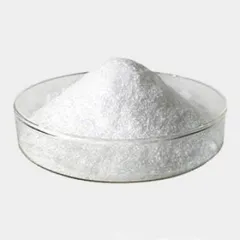
Superfine Zinc Stearate
5. Future Prospects: Innovation and Sustainability
The landscape for zinc stearate is evolving, driven by demands for higher performance, greener processes, and novel functionalities. 5.1 Nano-Zinc Stearate Exploration 5.1.1 Pushing the Boundaries: Research continues into producing true nano-scale zinc stearate particles. These could offer unprecedented surface area and reactivity, potentially opening doors to new applications in catalysis, advanced composites, or highly efficient drug delivery systems, though challenges in stability and scalability remain. 5.1.2 Enhanced Functionality: Nanoparticles might exhibit unique optical, electrical, or antimicrobial properties beyond the scope of current micro-sized powders, driving innovation in diverse fields. 5.2 Sustainable Manufacturing Initiatives 5.2.1 Green Chemistry Routes: There is a growing impetus to develop synthesis methods that minimize waste, reduce energy consumption, and utilize renewable or less hazardous raw materials. Exploring alternative precursors or solvent-free reactions aligns with global sustainability goals. 5.2.2 Energy-Efficient Processing: Optimizing milling and classification technologies to reduce the energy footprint associated with producing superfine powders is a key focus area. Innovations in equipment design and process control aim for greater efficiency. 5.3 Tailored Solutions and Functionalization 5.3.1 Surface Modification: Coating superfine zinc stearate particles with specific chemicals can tailor their compatibility with particular polymer matrices or modify their surface energy, further enhancing dispersion and performance in niche applications.
6. Conclusion
In conclusion, while sharing the same chemical identity, superfine zinc stearate powder and conventional zinc stearate powder occupy distinct niches defined by their physical structure. The shift towards miniaturization unlocks superior dispersibility, sensory qualities, and performance in high-end applications, albeit often at a higher cost and requiring more sophisticated manufacturing. Conventional powder retains its value in cost-effective, less demanding roles. As technology advances, the drive towards even finer particles, sustainable production, and tailored functionalities will continue to shape the evolution of these essential industrial additives, ensuring they meet the ever-increasing demands of modern materials science and manufacturing. The choice between them is no longer merely about chemistry, but about engineering performance at the micron level.
7. Supplier
TRUNNANOis a globally recognized Ultrafine Zinc Stearate manufacturer and supplier of compounds with more than 12 years of expertise in the highest quality nanomaterials and other chemicals. The company develops a variety of powder materials and chemicals. Provide OEM service. If you need high quality Ultrafine Zinc Stearate, please feel free to contact us. You can click on the product to contact us. Tags: Superfine Zinc Stearate, Superfine Zinc Stearate, Ultrafine Zinc Stearate