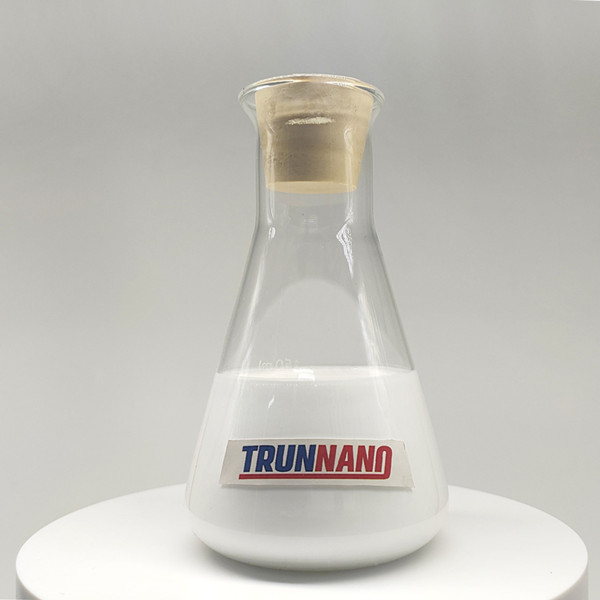
In the intricate world of industrial additives, two unassuming compounds often work behind the scenes to transform materials: zinc stearate emulsion and calcium stearate emulsion. Though chemically similar, these white, milky liquids play vastly different roles due to subtle atomic variations. Understanding their distinct natures is key to unlocking their full potential across manufacturing landscapes. This exploration delves into the scientific principles, production methods, practical applications, and future trajectories that set these essential emulsions apart.
Calcium stearate emulsion
Molecular Architecture: The Foundation of Divergent Behavior
The core difference lies in the central metal ion—zinc versus calcium. Both compounds share a long-chain fatty acid structure (stearic acid), but swapping the metal creates unique chemical personalities. Zinc stearate possesses a divalent zinc ion, forming a neutral molecule with excellent lubricating and water-repellent properties. Its layered crystal structure allows molecules to slide past each other easily, reducing friction. Conversely, calcium stearate contains a divalent calcium ion, resulting in a bulkier molecular arrangement. This structure gives it stronger binding capabilities and enhanced thermal stability. While both repel water (hydrophobic), calcium stearate exhibits slightly higher affinity for polar surfaces, making it a superior internal lubricant and acid scavenger. These molecular nuances dictate their behavior as powders, which are then dispersed into water to form stable emulsions through specialized processing.
Crafting the Emulsions: From Powder to Performance Fluid
Manufacturing these emulsions follows parallel yet distinct paths. Both start with high-purity stearic acid reacting with respective metal oxides or hydroxides under controlled heat. For zinc stearate, zinc oxide reacts with molten stearic acid, while calcium stearate forms from calcium hydroxide and the same fatty acid. The resulting fine powders undergo rigorous milling to achieve consistent particle size. The critical transformation occurs during emulsification: the powder is mixed into water with surfactants (surface-active agents) that reduce surface tension. High-shear mixing breaks the particles into microscopic droplets, creating a stable colloidal suspension. Zinc stearate emulsions often require more vigorous agitation due to the powder's lower density and tendency to float. pH adjustment is crucial; calcium stearate emulsions typically perform best at alkaline conditions, whereas zinc variants may tolerate slight acidity. Stabilizers like polymers or protective colloids prevent particle aggregation, ensuring uniform application on target surfaces.
Industrial Arena: Where Each Reigns Supreme
Zinc Stearate Emulsion: The Master of Release and FlowThis emulsion’s claim to fame lies in its exceptional slip and anti-blocking properties. As a release agent, it creates an invisible barrier between materials—think plastic films sliding effortlessly off molds or rubber products demolding without tearing. In powder metallurgy, it coats metal powders, preventing oxidation and ensuring smooth compaction. Textile manufacturers rely on its soft-touch feel and mold resistance when applied to fabrics. Paper mills use it to coat surfaces, imparting water repellency and a glossy finish. Crucially, its low toxicity makes it suitable for food-contact applications like chewing gum base or pharmaceutical tablet coatings. However, its relatively poor heat resistance limits use in high-temperature processes.Calcium Stearate Emulsion: The Versatile Stabilizer and LubricantWhere zinc stearate excels in release, calcium stearate dominates as a stabilizer and internal lubricant. PVC manufacturers prize it for preventing thermal degradation during extrusion—it captures hydrochloric acid released during heating, averting polymer breakdown. In plastics processing, it reduces melt viscosity, enabling smoother flow through machinery. As a waterproofing agent, it penetrates concrete and cement admixtures, blocking capillary water ingress. The construction industry applies it to sealants and paints for enhanced durability. Its brightening effect also makes it valuable in cosmetics and talcum powders. Unlike zinc variants, calcium stearate withstands higher temperatures, expanding its utility in demanding environments like engineering plastics compounding.
Environmental Evolution: Greener Horizons Ahead
Regulatory pressures and sustainability goals are reshaping both industries. Traditional stearate emulsions face scrutiny over raw material sourcing and biodegradability. Innovators are exploring bio-based alternatives derived from plant oils instead of petrochemical stearic acid. Waterborne formulations are replacing solvent-based systems to minimize VOC emissions. Nanotechnology offers promising avenues—nanoparticle-sized emulsions could enhance performance at lower concentrations. For zinc stearate, research focuses on improving dispersion stability for advanced coating technologies. Calcium stearate development targets multifunctionality, such as combining stabilization with flame-retardant properties. Lifecycle analyses increasingly guide formulation choices toward circular economy models, where emulsions can be recycled or safely degraded post-use.

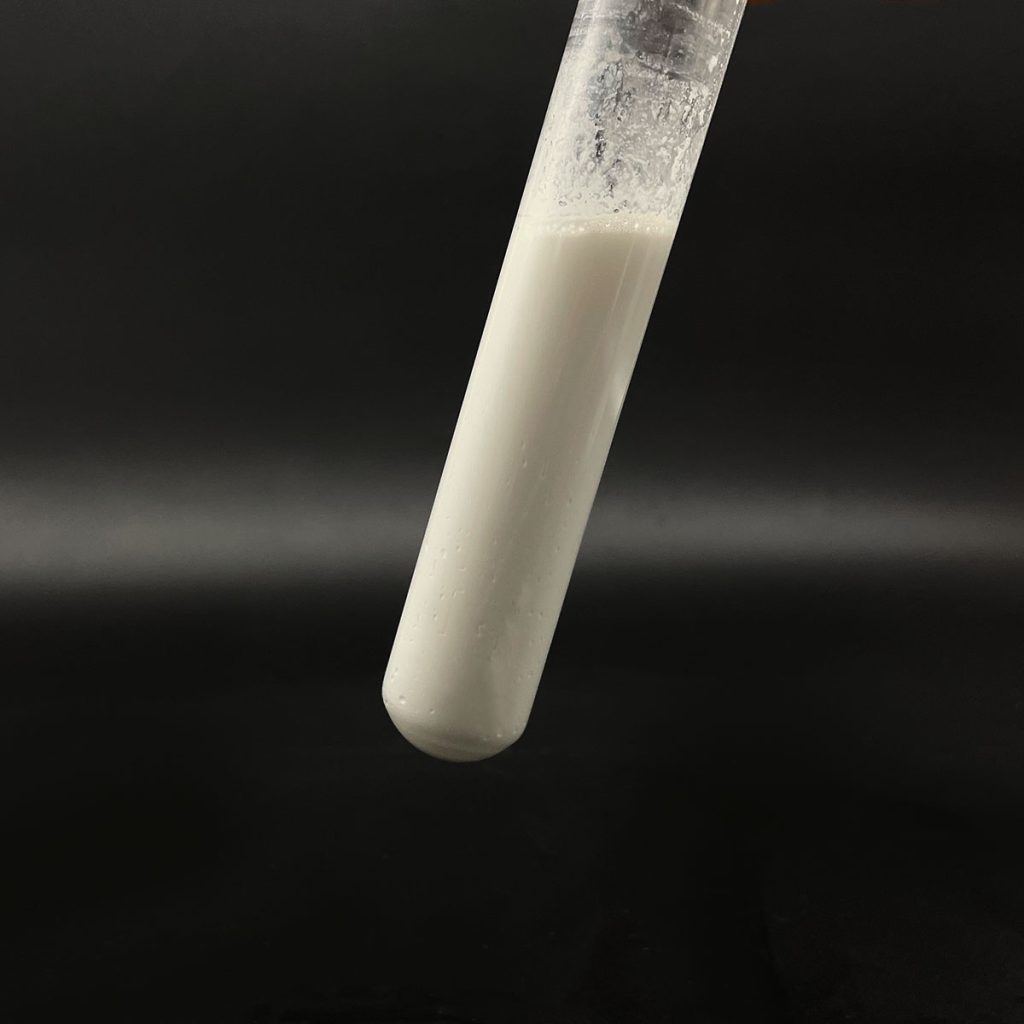
Zinc stearate emulsion
The Choice Decoded: Matching Chemistry to Application
Selecting between these emulsions hinges on specific performance needs. When slip, anti-blocking, or mold release is paramount—especially in food-grade contexts—zinc stearate emulsion is the logical choice. Its ability to create non-stick surfaces with minimal interference makes it indispensable in packaging, medical devices, and consumer goods. Conversely, applications demanding thermal stabilization, internal lubrication, or acid neutralization point toward calcium stearate emulsion. PVC processing, high-temperature polymer compounding, and construction materials universally depend on its robust protective qualities. Cost considerations also play a role; calcium stearate generally offers better value in large-scale industrial applications despite similar raw material costs.
Conclusion: Two Sides of the Same Metallic Coin
Zinc and calcium stearate emulsions exemplify how minor atomic substitutions yield profoundly different industrial heroes. The lightweight, slippery nature of zinc stearate makes it the invisible shield against adhesion and friction, while the robust, stabilizing character of calcium stearate acts as the mighty glue holding materials together under stress. Their manufacturing journeys converge in emulsification science yet diverge in final application dominance. As industries pivot toward sustainable solutions, both emulsions evolve through green chemistry and nanotechnology innovations. Understanding their distinct dance of molecules empowers engineers to select precisely the right partner—be it the slick performer or the steadfast guardian—for any material challenge. The future promises smarter, safer, and more efficient versions of these unsung workhorses, continuing their silent revolution across global manufacturing.
Supplier
TRUNNANO is a globally recognized Zinc stearate emulsion , Calcium stearate emulsion, Stearate emulsion manufacturer and supplier of compounds with more than 12 years of expertise in the highest quality nanomaterials and other chemicals. The company develops a variety of powder materials and chemicals. Provide OEM service. If you need high quality zinc stearate emulsion and calcium stearate emulsion, please feel free to contact us. You can click on the product to contact us.
Tags: Zinc stearate emulsion , Calcium stearate emulsion, Stearate emulsion