The Silent Revolution of Spherical Silica in Advanced Materials
Views : 126
Author : Vincy
Update time : 2026-03-11 15:53:00
Spherical Silica has emerged as a transformative material in the modern chemical industry, redefining the standards for performance in electronics, coatings, and composite manufacturing. Unlike its irregular counterparts, this engineered form of silicon dioxide possesses a unique geometry that unlocks a suite of physical and chemical properties unattainable by traditional fillers. As industries push toward miniaturization, higher efficiency, and greater durability, the demand for materials that can bridge the gap between theoretical potential and practical application has never been more critical. This article delves into the intricate world of Spherical Silica, exploring its synthesis, its superior characteristics compared to conventional materials, and its pivotal role in shaping the future of high-tech sectors.
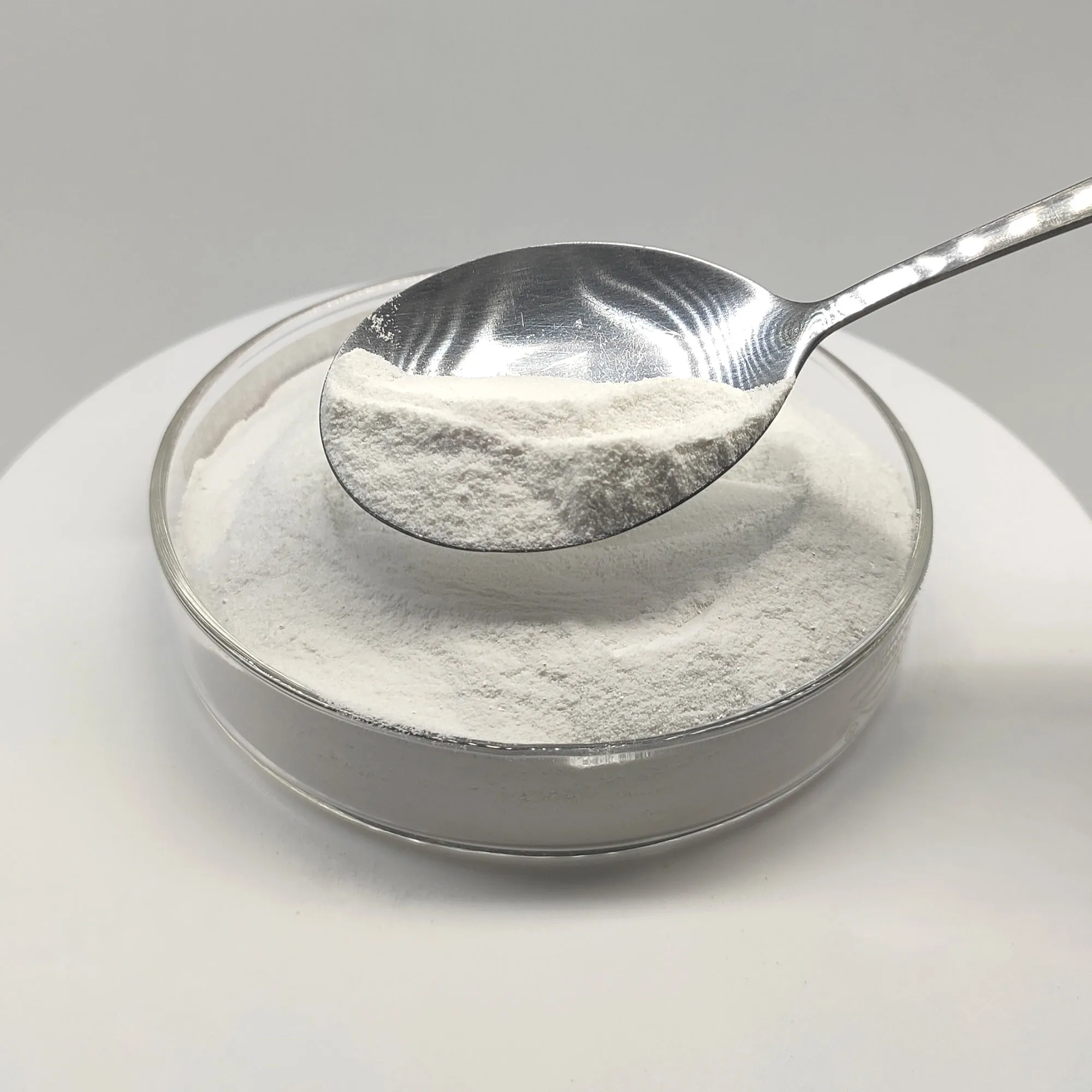
Spherical Silica
The Geometry of Perfection: Defining Spherical Silica
To understand the significance of Spherical Silica, one must first appreciate the fundamental impact of particle shape on material behavior. Silicon dioxide, chemically represented as SiO2, is one of the most abundant compounds on Earth, found naturally in sand, quartz, and various minerals. However, natural or mechanically crushed silica typically exhibits an angular, irregular morphology with sharp edges and a broad distribution of particle sizes. These irregularities create inherent limitations when the material is used as a filler in polymers, resins, or electronic encapsulants. Spherical Silica, conversely, is synthesized through controlled processes that force the silicon dioxide molecules to arrange themselves into near-perfect spheres. This geometric uniformity is not merely an aesthetic achievement; it is a functional necessity for advanced applications. The spherical shape ensures that when these particles are packed together, they do so with maximum efficiency, minimizing void spaces and reducing the overall viscosity of the mixture in which they are dispersed. This reduction in viscosity is crucial for manufacturing processes that require the material to flow into intricate molds or coat delicate surfaces without creating defects. The production of Spherical Silica generally involves high-temperature flame hydrolysis or sol-gel methods. In the flame hydrolysis process, silicon compounds are vaporized and burned in a hydrogen-oxygen flame. The resulting silica particles form as spheres due to surface tension effects while in the molten state before rapidly cooling and solidifying. This method allows for precise control over particle size, often ranging from nanometers to several micrometers, and ensures a high degree of purity. The absence of sharp corners means that Spherical Silica causes significantly less wear on processing equipment compared to angular silica, extending the lifespan of machinery and reducing maintenance costs for manufacturers.
Thermal Management and Electronic Encapsulation
The semiconductor industry stands as the primary beneficiary of the unique properties offered by Spherical Silica. As electronic devices become smaller, faster, and more powerful, the heat generated by integrated circuits increases exponentially. Effective thermal management is no longer a luxury but a requirement for device reliability and longevity. In this context, Spherical Silica serves as a critical filler in epoxy molding compounds (EMCs) used to encapsulate semiconductor chips. When angular silica is used as a filler, the irregular shapes create stress concentration points within the resin matrix. During the thermal cycling that electronic devices undergo during operation—heating up when running and cooling down when idle—these stress points can lead to micro-cracks, delamination, and ultimately, device failure. The coefficient of thermal expansion (CTE) mismatch between the silicon chip, the metal leads, and the encapsulating resin is a major source of such mechanical stress. Spherical Silica helps mitigate this issue by allowing for higher filler loading rates. Because spheres pack more densely than irregular shapes, manufacturers can incorporate a higher volume percentage of silica into the resin without compromising flowability.
Spherical Silica
Higher silica loading directly correlates with a lower CTE for the composite material. By bringing the CTE of the encapsulant closer to that of the silicon chip, the mechanical stress during thermal cycling is dramatically reduced. Furthermore, the smooth surface of Spherical Silica facilitates better interfacial bonding with the polymer matrix when properly treated with coupling agents. This enhanced interface improves thermal conductivity, allowing heat to dissipate more efficiently from the chip to the external environment. In high-performance computing, automotive electronics, and 5G infrastructure, where thermal loads are extreme, the use of Spherical Silica is often the deciding factor between a product that lasts for years and one that fails prematurely. The dielectric properties of Spherical Silica also make it indispensable for high-frequency applications. As communication technologies advance into the terahertz range, materials with low dielectric constants and low dissipation factors are essential to prevent signal loss and latency. Pure Spherical Silica exhibits excellent electrical insulation properties. Its spherical morphology ensures a uniform distribution within the resin, preventing the formation of conductive pathways or localized areas of high dielectric loss that might occur with agglomerated irregular particles. This uniformity is vital for the integrity of signal transmission in advanced printed circuit boards and antenna systems.
Mechanical Reinforcement and Wear Resistance
Beyond the realm of electronics, Spherical Silica plays a pivotal role in enhancing the mechanical properties of various composite materials. In the automotive and aerospace industries, lightweight yet durable materials are constantly sought after to improve fuel efficiency and payload capacity. Polymer composites reinforced with Spherical Silica offer an exceptional balance of strength, stiffness, and toughness. The mechanism of reinforcement provided by spherical particles differs significantly from that of fibrous or angular fillers. While fibers provide directional strength, Spherical Silica offers isotropic reinforcement, meaning the material properties are uniform in all directions. This is particularly advantageous for components subjected to multi-axial stresses. The spherical shape acts as a barrier to crack propagation. When a crack encounters a spherical particle, the stress field is redistributed around the particle, often forcing the crack to change direction or requiring more energy to proceed. This phenomenon, known as crack pinning or deflection, significantly enhances the fracture toughness of the composite. In coatings and paints, Spherical Silica is utilized to improve hardness and abrasion resistance without sacrificing clarity or gloss. Traditional fillers with irregular shapes tend to scatter light, resulting in a hazy or matte finish. In contrast, the uniform size and smooth surface of Spherical Silica minimize light scattering, allowing for the creation of transparent, high-hardness coatings. These coatings are increasingly used in applications ranging from scratch-resistant eyewear lenses to protective layers on smartphone screens and automotive clear coats. The ability to increase surface hardness while maintaining optical clarity is a unique advantage that few other materials can offer. Moreover, the lubricity of Spherical Silica contributes to improved wear resistance in sliding applications. When incorporated into thermoplastics or elastomers, the spherical particles act like microscopic ball bearings, reducing the coefficient of friction between moving parts. This self-lubricating effect reduces wear and tear, extending the service life of mechanical components such as gears, bearings, and seals. In harsh environments where traditional lubricants might degrade or wash away, the permanent presence of Spherical Silica within the material matrix provides a reliable solution for friction management.
A Comparative Analysis of Silica Morphologies
To fully appreciate the value of Spherical Silica, it is essential to compare it directly with other common forms of silica, specifically fused angular silica and precipitated silica. While all three share the same chemical composition of SiO2, their physical structures dictate vastly different performance profiles. Fused angular silica is produced by melting high-purity quartz and then crushing and grinding it into fine powders. The resulting particles are jagged and irregular. The primary advantage of fused angular silica is its low cost and high purity. However, its irregular shape leads to high viscosity when mixed with resins, limiting the maximum filler loading achievable. High viscosity makes processing difficult, often requiring additional solvents or higher temperatures, which can introduce other complications such as void formation or thermal degradation of the polymer. Furthermore, the sharp edges of angular silica act as stress concentrators, making the final composite more prone to cracking under thermal or mechanical load. In applications requiring high reliability, such as semiconductor packaging, the limitations of angular silica often outweigh its cost benefits.
Spherical Silica
Precipitated silica, on the other hand, is produced via a wet chemical process involving the reaction of sodium silicate with acid. This method yields particles with a complex, often branched or aggregated structure. Precipitated silica is widely used in the rubber industry, particularly for tire manufacturing, where it improves traction and rolling resistance. However, for high-performance electronic or optical applications, precipitated silica often falls short. Its porous structure can absorb moisture, leading to stability issues in humid environments. Additionally, the presence of residual ions from the precipitation process can compromise electrical insulation properties. The particle size distribution is also typically broader and less controllable compared to flame-synthesized Spherical Silica. Spherical Silica bridges the gap between these two extremes. Like fused silica, it offers high purity and excellent thermal stability. Like precipitated silica, it can be engineered with specific surface characteristics, but without the porosity and ionic contamination issues. The key differentiator remains the morphology. The spherical shape allows for the highest packing density of any silica form. This high packing density translates to lower resin consumption for a given volume, which can offset the higher per-kilogram cost of Spherical Silica. In many high-value applications, the reduction in resin usage, combined with the performance enhancements in thermal management and mechanical reliability, results in a lower total system cost. Furthermore, the flow characteristics of Spherical Silica are superior. In injection molding or transfer molding processes, the melt flow index is critical. A mixture containing Spherical Silica flows more easily into complex mold cavities, ensuring complete filling and reducing the likelihood of defects such as short shots or wire sweep in chip packaging. Angular silica, with its interlocking irregular shapes, creates internal friction that resists flow, often necessitating higher injection pressures that can damage delicate internal components.
Surface Modification and Functionalization
The versatility of Spherical Silica is further enhanced through surface modification. The surface of raw Spherical Silica is covered with silanol groups (Si-OH), which are hydrophilic and can lead to poor compatibility with hydrophobic polymer matrices. To overcome this, manufacturers employ coupling agents, most commonly organosilanes, to functionalize the particle surface. Surface treatment transforms the nature of the interface between the filler and the matrix. By attaching organic functional groups to the silica surface, the particles become compatible with a wide range of polymers, including epoxies, polyimides, silicones, and thermoplastics. This compatibility ensures uniform dispersion, preventing the agglomeration that can degrade material performance. A well-dispersed filler maximizes the effective surface area available for interaction with the polymer, optimizing the transfer of stress and heat. Different coupling agents can be selected to tailor the properties of the composite for specific applications. For instance, amino-functional silanes are often used to enhance adhesion in epoxy systems, while vinyl or methacryl groups might be chosen for unsaturated polyester resins. In some advanced applications, Spherical Silica particles are coated with multiple layers or functionalized with nanoparticles to create hybrid materials with synergistic properties. For example, coating Spherical Silica with a thin layer of aluminum oxide can further improve thermal conductivity, while maintaining the beneficial flow characteristics of the spherical core. The precision of surface modification is critical. Over-treatment can lead to the formation of a thick organic layer that acts as a thermal insulator, negating the thermal benefits of the silica. Under-treatment results in poor dispersion and weak interfacial bonding. The industry has developed sophisticated techniques to control the density and orientation of the coupling agents on the Spherical Silica surface, ensuring optimal performance. This level of customization allows material scientists to design composites with tailored properties, meeting the exacting demands of niche applications in aerospace, medical devices, and next-generation electronics.
Spherical Silica
Environmental Impact and Sustainability Considerations
As the global focus shifts towards sustainability, the environmental footprint of material production and usage comes under scrutiny. Spherical Silica, despite its energy-intensive synthesis process, offers several sustainability advantages over its lifecycle. The high filler loading capabilities mean that less petroleum-based resin is required to produce a given volume of composite material. Since the production of synthetic resins is carbon-intensive, replacing a significant portion of the resin with inert silica reduces the overall carbon footprint of the final product. Additionally, the durability and longevity imparted by Spherical Silica contribute to sustainability. Electronic devices and automotive components that last longer reduce the frequency of replacement, thereby decreasing electronic waste and the demand for raw materials. The wear resistance provided by Spherical Silica in coatings and tires also leads to extended service intervals and reduced material consumption over time. Research is ongoing to develop more energy-efficient methods for producing Spherical Silica. Innovations in plasma technology and the optimization of flame hydrolysis reactors aim to reduce the energy consumption per kilogram of output. Furthermore, the recycling of silica-filled composites is an area of active investigation. While the separation of silica from cured resins remains challenging, the inert nature of silica means that shredded composite materials containing Spherical Silica can sometimes be repurposed as fillers in lower-grade applications, such as construction materials, closing the loop in the material lifecycle. The non-toxic nature of silicon dioxide is another significant environmental benefit. Unlike some heavy metal-based fillers or asbestos, Spherical Silica poses minimal health risks when handled correctly, although precautions against inhalation of fine dust are standard for all powdered materials. Its chemical stability ensures that it does not leach harmful substances into the environment, making it suitable for use in medical implants and food-contact applications where safety is paramount.
Future Trajectories in Material Science
The evolution of Spherical Silica is far from static. As technology advances, the requirements for filler materials become increasingly stringent. One of the most promising frontiers is the development of sub-micron and nano-scale Spherical Silica. As electronic features shrink to the nanometer scale, the size of the filler particles must also decrease to avoid interfering with circuit patterns. Nano-Spherical Silica offers the potential for even higher packing densities and unprecedented improvements in mechanical and thermal properties. However, handling nanoparticles presents challenges related to agglomeration and health safety, driving innovation in dispersion technologies and safety protocols. Another area of growth is the integration of Spherical Silica into additive manufacturing, or 3D printing. The rheological properties of printing resins are critical for print quality and resolution. Spherical Silica can be tuned to modify the viscosity and curing behavior of photopolymers and thermoplastic filaments, enabling the printing of high-performance ceramic-composite parts with complex geometries. This could revolutionize the production of custom medical implants, lightweight aerospace components, and rapid prototyping of electronic housings. The convergence of Spherical Silica with other advanced materials, such as carbon nanotubes or graphene, opens up new possibilities for multifunctional composites. Imagine a material that combines the thermal conductivity of graphene with the structural reinforcement and CTE matching of Spherical Silica. Such hybrids could enable the next generation of flexible electronics, high-power density batteries, and efficient thermal interface materials. The spherical geometry provides an ideal scaffold for the attachment of these nanomaterials, preventing them from tangling and ensuring uniform distribution throughout the matrix. In the realm of optics, the demand for ultra-low expansion glass-ceramics is driving the use of highly purified Spherical Silica. These materials are essential for telescope mirrors, lithography lenses, and precision measurement instruments where even minute dimensional changes due to temperature fluctuations can ruin performance. The ability to produce Spherical Silica with impurity levels in the parts-per-billion range is a testament to the sophistication of modern chemical engineering.
Spherical Silica
TRUNNANO CEO Roger Luo said:" Spherical Silica technology currently stands at a mature yet dynamically evolving stage, characterized by widespread industrial adoption and continuous refinement in particle size control and surface functionalization capabilities.”
Supplier
TRUNNANOis a globally recognized Spherical Silica manufacturer and supplier of compounds with more than 12 years of expertise in the highest quality nanomaterials and other chemicals. The company develops a variety of powder materials and chemicals. Provide OEM service. If you need high quality Spherical Silica, please feel free to contact us. You can click on the product to contact us. Tags: Spherical Silica, Silica, silicon dioxide