Aluminum oxide is a stable oxide of aluminum, and its chemical formula is Al2O3. Aluminum oxide is also called bauxite in mining, ceramics and materials science.
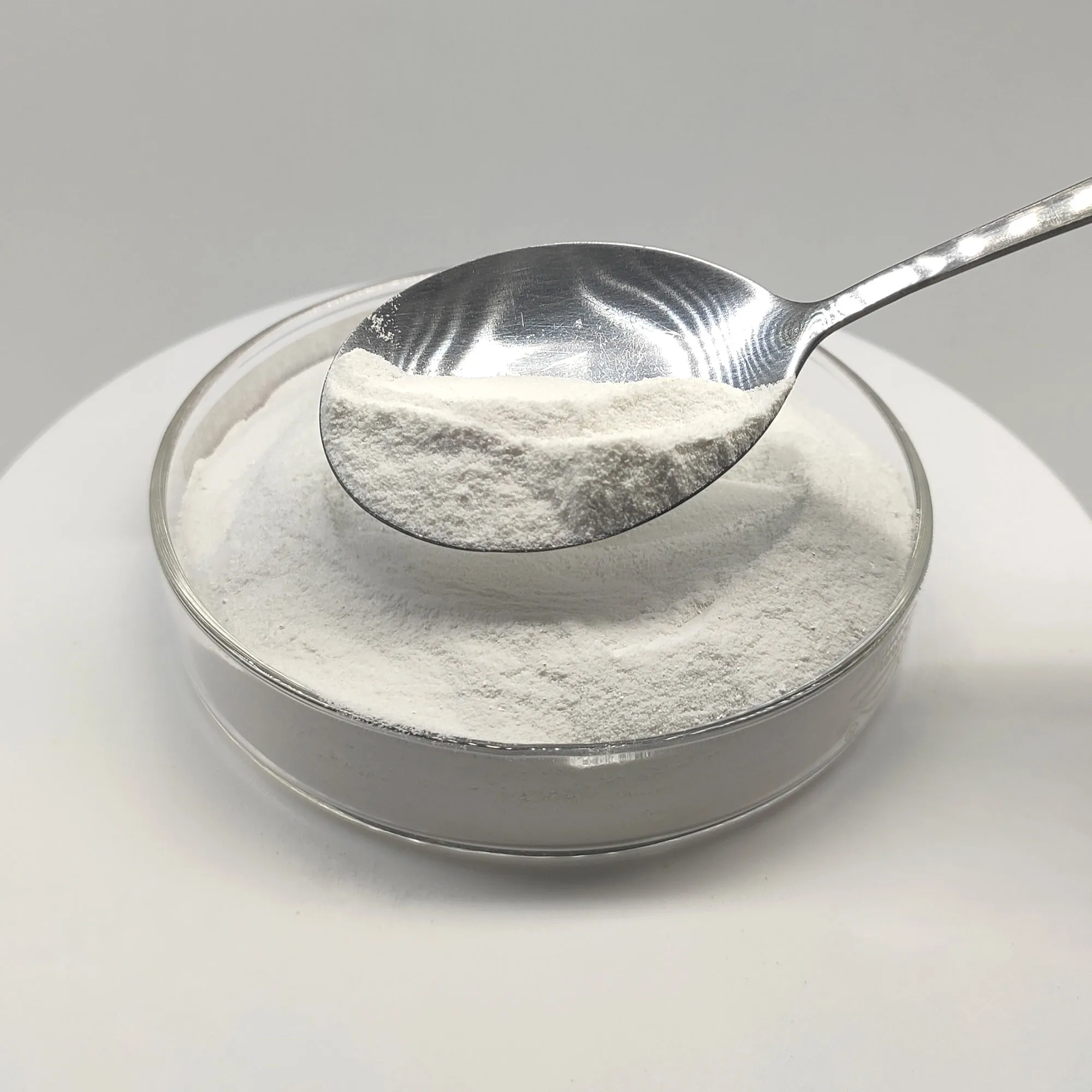
Aluminum oxide powder
Aluminum Oxide Properties
Alumina (aluminium oxide) is an inorganic substance with the chemical formula Al2O3, which is a high-hardness compound. Alumina is an amphoteric oxide, it can react with alkali to form aluminate, and it can react with acid to form aluminum salt of the acid.
Aluminum oxide is a typical amphoteric oxide (corundum is alpha-shaped and belongs to the hexagonal densest packing, is an inert compound, slightly soluble in acid and alkali, and corrosion resistant). Aluminum oxide is soluble in inorganic acids and alkaline solutions, but almost insoluble in water and Non-polar organic solvent.
Alumina has more than 10 homogeneous crystals, mainly three crystal types, namely γ-Al2O3, β-Al2O3, and α-Al2O3 (corundum). Different structures have different properties, and they are almost completely transformed into α-Al2O3 at high temperatures above 1300°C.
Aluminum Oxide Applications
At present, more than 90% of aluminum oxide is used as the raw material for electrolytic aluminum smelting, but many sectors such as electronics, petroleum, chemicals, refractories, ceramics, plastics, textiles, papermaking, and pharmaceuticals also require oxidation with various special properties.
At present, there are more than 300 kinds of non-metallurgical aluminum oxide, each with excellent physical and chemical properties, wide range of uses, and the price is much higher than that for metallurgical aluminum oxide.
For example, high-purity ultra-fine aluminum oxide, due to its high melting point, high hardness, high electrical resistance, good mechanical properties, wear resistance, corrosion resistance, green heat resistance and other excellent characteristics, is widely used for light-transmitting oxidation & sintered bodies, phosphors Carriers, single crystal materials, advanced porcelain, artificial bones, semiconductors, integrated circuit substrates, audio tape fillers, catalysts and their carriers, abrasive materials, laser materials, cutting tools, etc.

Aluminum oxide ceramic
99.99% high-purity aluminum oxide series are mainly used in high-pressure sodium lamps, new luminescent materials, special ceramics, advanced coatings, three primary colors, catalysts and some high-performance materials.
Advanced Manufacturing Processes and Material Science Innovations
The journey from raw bauxite ore to high-purity, application-specific aluminum oxide is a complex industrial process involving several sophisticated stages. The dominant method for producing metallurgical-grade alumina remains the Bayer process, invented by Karl Josef Bayer in 1888. This hydrometallurgical procedure involves digesting crushed bauxite in a concentrated sodium hydroxide solution at elevated temperatures (150–250°C) and pressures. This dissolves the aluminum oxides, forming soluble sodium aluminate, while iron oxides and other impurities remain as solid "red mud," a significant environmental byproduct. The purified solution is then cooled, seeded with fine aluminum hydroxide crystals, and precipitated. Calcining this hydroxide at temperatures around 1,000–1,100°C drives off the chemically bound water, yielding the final white powder of alumina.
However, for non-metallurgical applications requiring higher purity (>99.9%) and specific particle morphologies, the Bayer process is insufficient. For these advanced ceramics and electronic applications, alternative synthesis routes are employed. These include thermal decomposition of aluminum salts like ammonium aluminum sulfate (alum) or aluminum nitrate, sol-gel processing using alkoxides like aluminum isopropoxide, and vapor-phase methods such as chemical vapor deposition (CVD) or plasma spraying. Sol-gel processing, in particular, allows for precise control over the nanostructure, porosity, and surface area of the resulting gamma-alumina (γ-Al₂O₃), making it ideal for catalyst supports where high surface area is paramount.
Deep Dive into Crystal Structures and Phase Transitions
While the original text mentioned the three main crystalline forms (γ, β, α), the material science of alumina is far more intricate. The transition between these phases is not merely a matter of temperature but involves complex kinetic and thermodynamic changes that dictate the final material properties.
Aluminum oxide powder
Transition Aluminas (γ, δ, η, θ): These are metastable phases that occur during the calcination of aluminum hydroxides below 1,200°C. γ-Al₂O₃, with its defective spinel structure, possesses a high density of tetrahedral sites and oxygen vacancies. This makes it highly reactive and an excellent catalyst support. However, its lower density compared to the alpha phase means it undergoes significant volume shrinkage during sintering, a critical factor in ceramic manufacturing.
Alpha-Alumina (α-Al₂O₃): This is the most thermodynamically stable form. The transformation from θ-Al₂O₃ to α-Al₂O₃ is reconstructive and irreversible. It involves the nucleation and growth of the dense hexagonal corundum structure. This phase change is accompanied by a volume reduction of approximately 15%, which can lead to micro-cracking if not carefully controlled. The resulting material is chemically inert, mechanically robust, and optically transparent in the visible spectrum when perfectly pure.
Beta-Alumina (β′′-Al₂O₃): Despite its name, it is not a polymorph of Al₂O₃ but rather a sodium aluminate (Na₂O·11Al₂O₃). Its structure consists of close-packed spinel blocks separated by loosely packed planes containing mobile sodium ions. This unique structure makes it a superionic conductor, crucial for sodium-sulfur (NaS) batteries.
Cutting-Edge Applications in Electronics and Semiconductors
The demand for high-purity alumina in the semiconductor industry is driven by the relentless miniaturization of devices and the need for superior thermal management.
Substrate Materials: In integrated circuits (ICs), alumina substrates are preferred over traditional FR-4 fiberglass boards for high-power applications due to their exceptional thermal conductivity (20–30 W/mK for 96% alumina, up to 35 W/mK for 99.6% alumina) and low dielectric loss. High-purity alumina (99.99%) is essential for high-frequency applications, such as 5G/6G communication base stations, where signal integrity is paramount.
LED and Laser Technology: The use of 99.995% alumina for synthetic sapphire is a cornerstone of modern optoelectronics. Sapphire wafers serve as the substrate for Light Emitting Diodes (LEDs) because their crystal lattice matches well with gallium nitride (GaN), the primary semiconductor material used in blue and white LEDs. Furthermore, titanium-doped sapphire (Ti:sapphire) lasers are the gold standard for ultrafast pulsed lasers used in scientific research, precision machining, and medical surgery.
Advanced Packaging: With the rise of System-in-Package (SiP) and 3D IC packaging, alumina-based ceramics are used for chip carriers and hermetic seals. Their coefficient of thermal expansion (CTE) closely matches that of silicon, reducing thermal stress during heating cycles and preventing die cracking.
Aluminum oxide powder
The biocompatibility and exceptional mechanical properties of high-purity α-alumina have opened new frontiers in medicine.
Orthopedic Implants: Alumina ceramics are used for hip and knee prostheses. Compared to metals, alumina offers superior wear resistance, significantly reducing the generation of wear debris that can cause osteolysis (bone resorption) and implant loosening. Modern zirconia-toughened alumina (ZTA) composites combine the hardness of alumina with the fracture toughness of zirconia, creating bearings that last decades longer than traditional materials.
Dental Restorations: High-translucency alumina (HTA) and zirconia-alumina composites are widely used for dental crowns and bridges. They offer aesthetics comparable to natural teeth while providing the strength needed to withstand the high masticatory forces in the molar region.
Drug Delivery Systems: Nanostructured alumina, particularly mesoporous alumina synthesized via the sol-gel method, is being researched as a carrier for targeted drug delivery. Its high surface area and tunable pore sizes allow for the loading of large quantities of therapeutic agents, which can be released in a controlled manner at the target site.
Energy Storage and Environmental Catalysis
The role of alumina extends deeply into the global energy transition and environmental protection.
Solid Oxide Fuel Cells (SOFCs): Alumina is used as a sealing material and as a component in the electrolyte or interconnect layers of SOFCs. Its stability at the high operating temperatures (800–1,000°C) of these fuel cells is critical for long-term durability.
Catalysis: Beyond being a simple support, alumina is an active participant in catalytic processes. In the petroleum industry, alumina-based catalysts are used for hydrocracking and desulfurization. In automotive catalytic converters, γ-alumina washcoats provide the surface area necessary to disperse precious metals like platinum and rhodium, which convert toxic exhaust gases into harmless nitrogen, carbon dioxide, and water.
Lithium-Ion Battery Separators: Coating the polyethylene (PE) or polypropylene (PP) separators in lithium-ion batteries with a thin layer of nano-alumina dramatically improves safety. The ceramic coating provides thermal stability, preventing the separator from shrinking and causing internal short circuits at high temperatures, thus mitigating the risk of thermal runaway.
Aluminum oxide powder
Alumina's corrosion and wear resistance make it an ideal material for protective coatings applied via thermal spray techniques (Plasma Spray, HVOF).
Thermal Barrier Coatings (TBCs): While yttria-stabilized zirconia (YSZ) is the standard TBC, alumina-based composites are being developed for extreme environments, such as gas turbine engines and jet turbines. These coatings protect underlying nickel superalloy components from oxidation and hot corrosion at temperatures exceeding 1,300°C.
Industrial Wear Protection: In mining, mineral processing, and power generation, equipment such as cyclones, chutes, and slurry pumps are lined with alumina tiles or coated with alumina-based cermets. This extends the service life of capital equipment by factors of ten, drastically reducing maintenance costs and downtime.
Future Trends and Nanotechnology
The frontier of alumina research lies in nanotechnology and additive manufacturing.
Nanofibers and Nanotubes: One-dimensional alumina nanostructures are being explored for use in high-strength nanocomposites, flexible electronics, and as templates for synthesizing other nanomaterials.
3D Printing of Alumina: Selective Laser Melting (SLM) and Stereolithography (SLA) are now capable of printing complex, near-net-shape alumina components. This allows for the creation of intricate lattice structures for lightweight aerospace components or custom porous scaffolds for bone tissue engineering that were previously impossible to manufacture using traditional pressing and sintering methods.
Quantum Computing: Recent research has explored the use of ultra-high purity sapphire as a substrate for superconducting qubits. The extremely low dielectric loss tangent of sapphire at cryogenic temperatures makes it an ideal platform for maintaining quantum coherence, a key requirement for building scalable quantum computers.
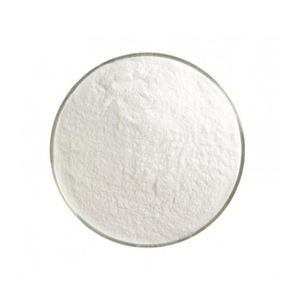
Aluminum oxide powder
If you are looking for high quality aluminum oxide powder, please feel free to contact us and send an inquiry.