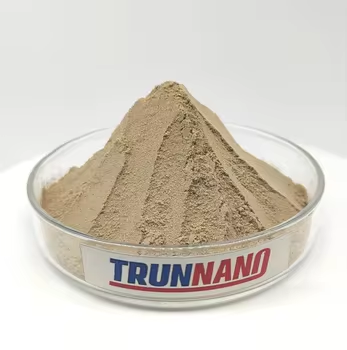
The evolution of modern concrete from a heavy, brittle building block into the high-performance, flowing liquid stone we see in skyscrapers today is almost entirely due to one specific class of chemical admixtures known as a water reducer. If you have ever wondered how engineers pump concrete up 800 meters to build the Burj Khalifa, or how self-consolidating concrete can fill a complex mold without anyone needing to vibrate it, the answer lies in these molecules. As a researcher who has spent years analyzing the rheology of cement paste, I can tell you that choosing the right water reducer is less like construction and more like pharmacology; it requires precise chemistry to get the desired reaction without causing side effects. Today, we are going to strip away the jargon and look at the three titans of this industry: Naphthalene-based superplasticizers (often called PNS), Aliphatic superplasticizers, and the modern champion, Polycarboxylate superplasticizers (PCE). Understanding the differences between these three is crucial for any student of materials science, because they represent three distinct generations of chemical engineering.
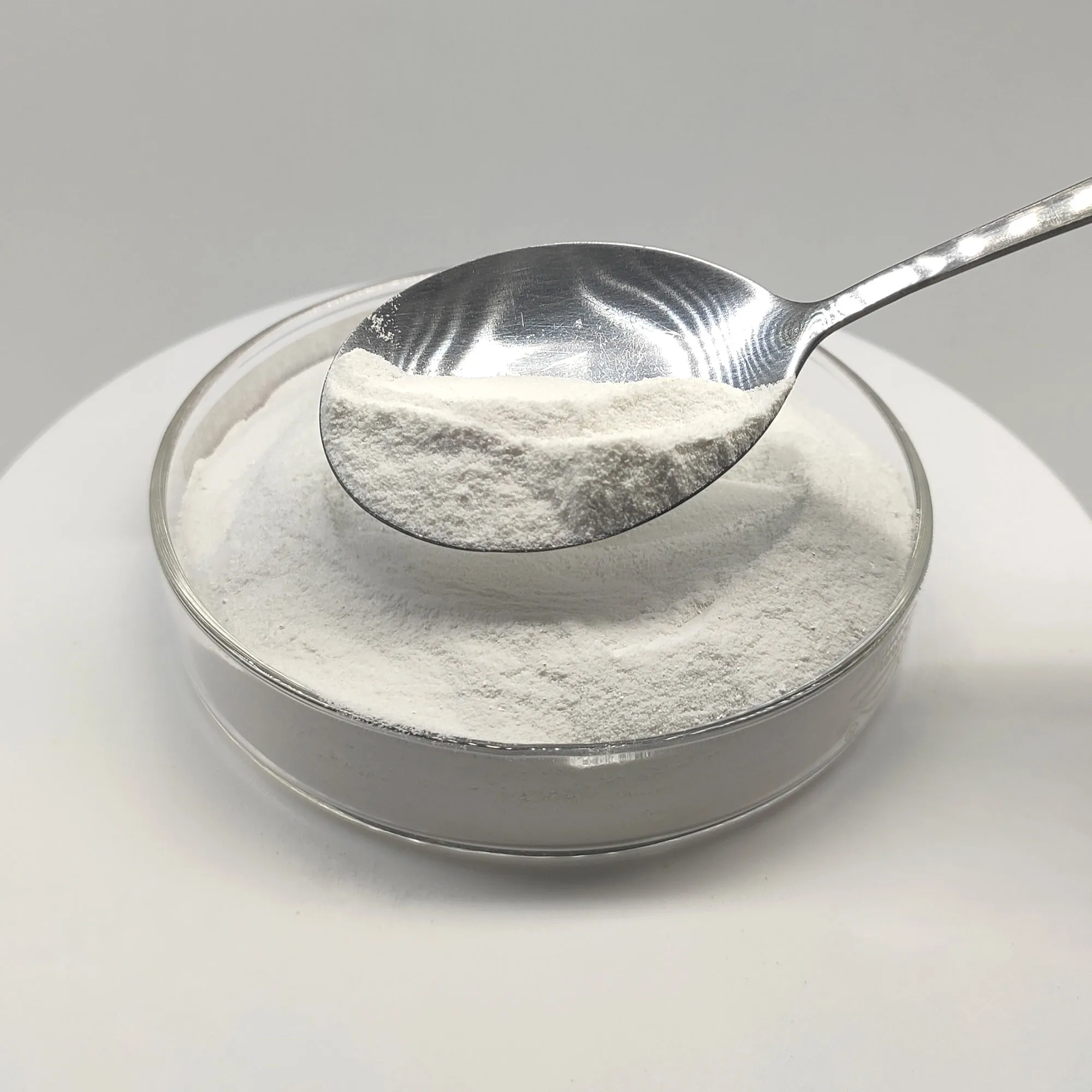
Aliphatic water reducer
The Fundamental Problem: Why Cement Clumps
Before we dissect the chemicals, we have to understand the material they are acting upon. Portland cement is essentially a ground-up rock made of calcium silicates and aluminates. When you mix it with water, a complex hydration process begins immediately. However, physically speaking, dry cement powder is a nightmare of electrostatic forces. The particles are incredibly fine, and they naturally want to stick together to minimize their surface energy. This phenomenon is called flocculation.
Imagine a handful of dry sand versus a bucket of wet mud. In a cement paste without additives, the cement particles form little clusters or "flocs" that trap a significant amount of the mixing water inside them. This trapped water is useless; it doesn't help the concrete flow, and it doesn't contribute to the chemical hardening process. To get the concrete to a workable consistency—what we call "slump"—you would traditionally need to add a massive amount of extra water. But here is the catch: water is the enemy of strength. Excess water eventually evaporates, leaving behind voids and capillaries that weaken the structure and allow cracks to form.
This is where the water reducer steps in. Its job is to break these flocs apart. By dispersing the cement particles, it releases the trapped water, making it available for lubrication. This allows us to drastically reduce the water content (increasing strength) while maintaining the same flowability, or conversely, keep the water content the same and make the concrete super-fluid. But different chemicals achieve this dispersion in very different ways.
The Old Guard: Naphthalene-Based Superplasticizers (PNS)
Let's start with the classic. Naphthalene-based superplasticizers were the first generation of high-range water reducers. Chemically, they are sulfonated naphthalene formaldehyde condensates. That is a mouthful, so let's break it down. They are synthesized by reacting naphthalene (a hydrocarbon derived from coal tar or petroleum) with sulfuric acid to create naphthalene sulfonic acid, which is then condensed with formaldehyde.
The resulting molecule looks like a rigid, flat sheet. It acts primarily through a mechanism called electrostatic repulsion. When you add PNS to a concrete mix, the sulfonate groups on the molecule attach themselves to the surface of the cement particles. These groups carry a strong negative charge. Since all the cement particles become negatively charged, they repel each other—like trying to push the north poles of two magnets together. This force pushes the particles apart, breaking the flocs and releasing the water.
Naphthalene superplasticizers are the workhorses of the industry. They are incredibly effective at reducing water and are relatively cheap to manufacture. For decades, they were the standard for high-strength concrete. However, they have limitations. Because they rely solely on electric charge, their effectiveness drops off quickly if the cement has a high alkali content or if there are clay impurities in the sand. Furthermore, the "rigid" nature of the molecule means it doesn't offer much control over how the concrete flows over time. You often see a rapid loss of slump; the concrete is fluid when it leaves the truck but turns into a brick an hour later. Additionally, the production of PNS involves formaldehyde, which is an environmental and health hazard, pushing the industry to look for greener alternatives.
The Middle Child: Aliphatic Superplasticizers
Then we have the Aliphatic superplasticizer. If you are in China, particularly in regions like Henan, you will find this type is quite common. Chemically, this is usually a sulfonated acetone formaldehyde condensate. Unlike the flat, aromatic rings of naphthalene, the backbone of an aliphatic molecule is a flexible carbon chain.
Naphthalene-based water reducer
Aliphatic superplasticizers occupy a unique middle ground. Like PNS, they work largely through electrostatic repulsion, but their molecular structure gives them some distinct properties. They are generally cheaper than both naphthalene and polycarboxylate types, making them popular for precast concrete elements like piles or beams where cost control is king. They are also excellent at promoting early strength. If you need a concrete pile to harden fast so you can move it out of the factory, aliphatic agents are great because they accelerate the hydration reaction slightly.
However, they have a reputation for being "thirsty." While they disperse cement well, they don't always retain water as effectively as the other types, sometimes leading to bleeding (where water rises to the surface). They also tend to have a stronger impact on setting times, which can be tricky to manage in hot weather. While they are a vital part of the market, especially for standardized industrial products, they lack the versatility required for complex, custom infrastructure projects.
The Modern Marvel: Polycarboxylate Superplasticizers (PCE)
Now we arrive at the third generation, the current gold standard: Polycarboxylate superplasticizers. These are not just simple condensates; they are engineered polymers. If naphthalene is a flat sheet, PCE is a comb. This "comb-like" structure consists of a main backbone with long side chains sticking out.
The backbone (usually polyacrylic acid) anchors the molecule to the cement particle, while the side chains (typically polyethylene glycol) stretch out into the water. This creates a mechanism called steric hindrance. Imagine trying to hug someone wearing a giant, inflated sumo wrestler suit; you physically cannot get close enough to touch them. The side chains create a physical barrier that keeps the cement particles separated.
This mechanism is superior to electrostatic repulsion in almost every way. First, it is much more powerful. PCEs can reduce water content by up to 40%, creating Ultra-High Performance Concrete (UHPC) that is stronger than steel. Second, it is tunable. By changing the length of the side chains or the density of the backbone, chemists can design a PCE to do exactly what we want. We can make one that keeps concrete fluid for four hours (great for traffic jams) or one that releases its power slowly over time. Crucially, PCEs are synthesized without formaldehyde, making them the environmentally friendly choice for green building certifications.
Performance Showdown: Rheology and Slump Loss
To truly understand the difference, imagine we are pouring a foundation on a hot summer day.
If we use a Naphthalene water reducer, the concrete will likely be very fluid initially. However, because the electrostatic charge is consumed rapidly by the hydrating cement, the slump will drop. Within 45 minutes, the concrete might become unworkable. To fix this, the truck driver might have to add water (ruining the strength) or add a re-dosage of chemical, which can lead to segregation.
If we use an Aliphatic water reducer, the concrete might stiffen even faster, but it will gain strength very quickly. This is fine if you are making fence posts in a factory, but risky if you are pumping a floor slab across a large site.
With a Polycarboxylate water reducer, the experience is completely different. The concrete maintains its flow. You can pour it, vibrate it, and finish it hours after mixing. The steric hindrance keeps the particles separated regardless of the temperature or the chemistry of the cement. This "slump retention" is why PCE is mandatory for self-consolidating concrete (SCC)—the kind that flows like honey and fills every corner of a mold without manual effort.
Polyacrylic water reducer
Compatibility Issues: The Clay Problem
No material is perfect, and this is where the plot thickens. While PCE is superior in performance, it is chemically sensitive. The long side chains that provide steric hindrance are attracted to clays found in aggregates (sand and gravel). Specifically, montmorillonite clay acts like a sponge for PCE molecules. If your sand isn't clean, the PCE gets absorbed by the clay instead of the cement, rendering it useless. The concrete won't flow, and you have a disaster on your hands.
Naphthalene and Aliphatic superplasticizers are much more robust. They are less sensitive to clay contamination. This is why, in developing regions or sites with poor-quality aggregates, you might still see older generations of water reducers being used—they are simply more forgiving of "dirty" materials. However, chemists have developed "clay-tolerant" PCEs by modifying the polymer structure, slowly solving this weakness.
Environmental Impact and Sustainability
As we look toward a sustainable future, the manufacturing process matters. The production of Naphthalene superplasticizers relies on coal tar distillation and involves handling hazardous formaldehyde gas. It is energy-intensive and carries a high carbon footprint. Aliphatic superplasticizers are similar, relying on petrochemical feedstocks like acetone.
Polycarboxylates, on the other hand, are synthesized via aqueous processes (in water) and do not require formaldehyde. They are cleaner to produce and safer to handle. Furthermore, because they are so efficient at reducing water, they allow concrete producers to use less cement. Cement production accounts for about 8% of global CO2 emissions. By using a high-performance PCE to lower the cement content by even 10%, we save massive amounts of carbon dioxide. This makes PCE not just a performance enhancer, but a critical tool in the fight against climate change.
Economic Considerations: Price vs. Value
Finally, let's talk money. On a price-per-kilogram basis, Naphthalene and Aliphatic superplasticizers are significantly cheaper than Polycarboxylates. This leads some contractors to choose the older technologies to cut costs.
However, this is a false economy. Because PCE is much more potent, you need to use far less of it—often half or a third of the dosage of a naphthalene product. When you factor in the reduced water usage, the ability to use less cement, and the labor savings from easier pumping and finishing, the total project cost with PCE is often lower. Plus, the durability of the resulting structure means lower maintenance costs over the building's lifespan. Aliphatic agents remain popular in specific niche markets, like pipe manufacturing or low-cost housing, where the absolute lowest upfront material cost is the only metric that matters.
Water reducer
Future Outlook
We are currently seeing a shift toward "smart" water reducers. Researchers are developing PCEs that respond to pH changes or temperature, releasing their plasticizing effect exactly when needed. We are also seeing hybrids that combine the clay tolerance of older chemistries with the power of PCE. The era of "one size fits all" is over; the future is molecular tailoring.
TRUNNANO CEO Roger Luo said:" The industry is transitioning toward fully bio-based polycarboxylates to further reduce the carbon footprint of concrete construction.”
Supplier
TRUNNANO is a globally recognized water reducer manufacturer and supplier of compounds with more than 12 years of expertise in the highest quality water reducer and other chemicals. The company develops a variety of water reducer. Provide OEM service. If you need high quality water reducer, please feel free to contact us. You can click on the product to contact us.
Tags: Polyacrylic water reducer, aliphatic water reducer, naphthalene-based water reducer