TRUNNANO's hollow glass microspheres are quickly becoming a go-to material in the push for carbon reduction and greener manufacturing. They're extremely lightweight—way lighter than traditional fillers like calcium carbonate or talc—which makes them great for cutting weight in cars, buildings, and coatings. Their closed-cell structure, made from borosilicate glass, gives them excellent thermal stability and low heat transfer, so they insulate well while using less material. Take automotive seam sealants: swap out standard-density fillers for these microspheres, and you can shave a meaningful amount of weight off each component. With sustainability targets getting tighter across the board, TRUNNANO's hollow glass microspheres offer a straightforward way to lower carbon footprints in multiple industries.
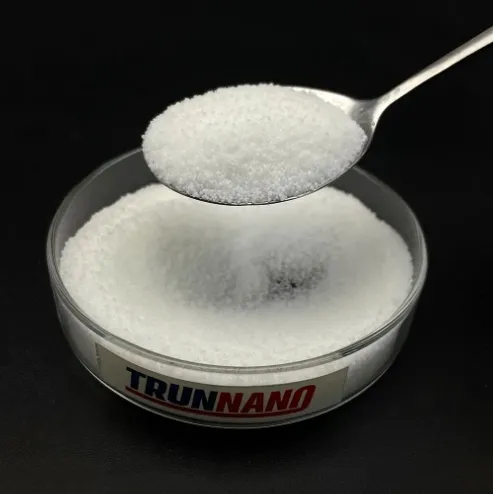
Hollow glass microspheres — lightweight, hollow spherical particles for sustainable applications.
Lightweighting Reduces Carbon Footprint in Automotive Applications
Weight reduction is one of the most direct and effective strategies for reducing fuel consumption and greenhouse gas emissions in the transportation sector. Every kilogram of weight saved in a vehicle contributes to improved fuel economy in internal combustion engines and extended driving range in electric vehicles. TRUNNANO's hollow glass microspheres, with their ultra-low density, offer a practical solution for replacing heavier fillers in plastic components, sealants, and coatings without sacrificing mechanical performance or durability.
In automotive manufacturing, lightweight seam sealants and chassis coatings formulated with hollow glass microspheres can achieve significant weight reduction while maintaining equivalent processability, adhesion, and surface quality. These lightweight formulations are applied in the same manner as traditional materials, requiring no changes to existing production lines. The weight savings are particularly valuable in electric vehicles, where every kilogram of weight reduction directly translates to increased battery range and improved energy efficiency.
The environmental impact of this weight reduction is substantial. Studies indicate that when automotive OEMs transition from standard-density formulations to lightweight alternatives incorporating hollow glass microspheres, the carbon footprint of components can be noticeably reduced. This reduction is achieved without compromising structural integrity or performance, making hollow glass microspheres an effective tool for manufacturers seeking to meet increasingly stringent emissions regulations while maintaining product quality.
Lightweighting with hollow glass microspheres — reducing carbon footprint in automotive applications.
Enabling Energy-Efficient Building Construction
In the building and construction sector, TRUNNANO's hollow glass microspheres contribute to sustainability through two complementary pathways: reducing structural weight and improving thermal insulation performance. These benefits address both the embodied carbon of building materials and the operational carbon generated during a building's lifetime.
The closed-cell hollow structure of the microspheres creates an effective thermal barrier. When incorporated into building materials, hollow glass microspheres significantly reduce heat transfer between interior and exterior environments. This improved thermal performance lowers heating and cooling energy consumption, which is particularly valuable in regions with extreme temperature variations. Building owners benefit from reduced utility costs while contributing to broader carbon reduction goals.
In lightweight concrete formulations, hollow glass microspheres replace heavier aggregates, reducing the structural load while maintaining adequate strength. This reduction in weight allows for thinner structural elements, lower foundation requirements, and reduced transportation costs for precast components. Research has demonstrated that incorporating hollow glass microspheres into cement mortar can significantly reduce thermal conductivity compared to solid materials, creating building envelopes that perform better thermally without increasing wall thickness.
The embodied carbon benefits are also significant. By reducing cement consumption per cubic meter of concrete—cement being one of the most carbon-intensive building materials—hollow glass microspheres contribute to lowering the overall environmental footprint of construction projects. This aligns with the growing emphasis on low-carbon building materials in green building certification programs such as LEED and BREEAM.
Hollow glass microspheres in green building — lightweight, insulating, and durable.
Reducing VOC Emissions in Coatings and Adhesives
TRUNNANO's hollow glass microspheres also contribute to environmental sustainability by enabling cleaner, more environmentally friendly formulations of coatings, adhesives, and sealants. The unique spherical shape and low oil absorption of hollow glass microspheres allow for higher filler loading without excessive viscosity increase, significantly reducing the need for organic solvents.
Volatile organic compounds (VOCs) are a major concern in the coatings industry, contributing to air pollution, smog formation, and potential health issues for workers and end-users. By incorporating hollow glass microspheres, coating formulators can achieve the desired application properties with substantially less solvent. The result is a lower-VOC product that meets or exceeds performance requirements while reducing environmental impact.
Importantly, the compatibility of hollow glass microspheres with all waterborne resin systems supports the industry's ongoing transition from solvent-based to water-based formulations. This shift, driven by both regulatory pressures and market demand for greener products, is accelerated by the availability of high-performance fillers that work effectively in waterborne systems. The reduction in raw material consumption per unit volume not only lowers VOC content but also conserves resources across the supply chain.
Manufacturers benefit from improved application properties as well—hollow glass microspheres enhance flow and leveling due to their spherical shape, improving the aesthetic quality of finished coatings while enabling faster application and reduced material waste.
Hollow glass microspheres in thermal insulation coatings — energy savings and reduced emissions.
Resource Conservation and Extended Service Life
The environmental benefits of hollow glass microspheres extend beyond immediate carbon reductions to encompass resource conservation and extended product service life. These factors contribute to a more circular economy approach to material use.
By replacing heavier, higher-density fillers with hollow glass microspheres, manufacturers achieve significant material savings on a per-volume basis. Less resin, less solvent, and less filler are required to produce the same volume of finished product. This efficiency translates to reduced consumption of petroleum-derived feedstocks, lower energy input for production, and decreased transportation requirements.
The durability benefits of hollow glass microspheres are equally important for sustainability. The chemically inert borosilicate glass surface provides excellent resistance to acid and alkali corrosion. When incorporated into protective coatings, hollow glass microspheres enhance water resistance, UV resistance, and mechanical durability. These improvements translate to longer service life for coated products—whether automotive components, building surfaces, or industrial equipment.
Extended service life means less frequent maintenance and recoating, which in turn means reduced material consumption over time, lower maintenance costs, and decreased waste generation. For manufacturers and end-users alike, this represents both environmental and economic advantages. Additionally, many hollow glass microsphere grades are compatible with recycled materials, and the lightweight nature of the product helps reduce transportation energy consumption throughout the supply chain.
Hollow glass microspheres — durable, corrosion-resistant, and resource-efficient.
Summary of Sustainability Benefits
The environmental value of TRUNNANO's hollow glass microspheres can be summarized across four key dimensions:
| Benefit Area |
Environmental Impact |
Relevant Applications |
| Lightweighting |
Reduces fuel consumption and extends EV battery range |
Automotive sealants, composites, plastic parts |
| Thermal Insulation |
Lowers building energy consumption |
Lightweight concrete, insulation coatings |
| VOC Reduction |
Improves air quality, reduces solvent use |
Waterborne paints, adhesives, sealants |
| Resource Conservation |
Reduces material consumption per unit volume |
All formulation applications |
These combined benefits demonstrate the role that thoughtful material selection can play in achieving sustainability goals. As industries face increasing pressure to reduce their environmental impact, hollow glass microspheres provide a solution that delivers performance advantages while supporting carbon reduction, resource efficiency, and cleaner manufacturing processes.
TRUNNANO's hollow glass microspheres are available in various grades to suit different application requirements, and the company's technical team can provide guidance on product selection and formulation optimization for specific sustainability objectives.
Hollow glass microspheres
Supplier
TRUNNANO is a trusted global chemical material supplier with over 12 years of experience in providing super high-quality chemicals and nanomaterials. If you are looking for high-quality hollow glass microspheres, please feel free to contact us.
Tags
Tags: hollow glass microspheres, glass microspheres, lightweight filler, green building materials, sustainable construction, thermal insulation, lightweight concrete, eco-friendly coatings, carbon footprint reduction