Today, with the rapid development of 5G communication, electric vehicles, and high-power semiconductor technology, electronic devices are constantly evolving towards smaller size, higher integration, and stronger performance. This also makes heat dissipation a key bottleneck restricting technological breakthroughs - high temperatures not only affect efficiency and shorten lifespan, but may also cause malfunctions, resulting in economic losses or safety hazards. Therefore, aluminium nitride ceramic microspheres stand out as an innovative heat dissipation material.
Aluminium nitride ceramic microspheres are a non-oxide ceramic material composed of aluminium and nitrogen elements, and their unique hexagonal wurtzite crystal structure is composed of strong covalent bonds. This structure enables it to maintain excellent electrical insulation performance while possessing high thermal conductivity properties that traditional materials such as alumina ceramics or metallic copper cannot match, achieving an excellent balance between thermal conductivity and insulation.
Their theoretical thermal conductivity can reach 320 W/(m·K), which is 7-10 times that of alumina ceramics (30-40 W/(m·K)) and comparable to that of metals such as aluminium (237 W/(m·K)) and copper (401 W/(m·K)). After advanced processing technologies such as secondary laser melting and sintering, industrial-grade AlN Ceramic Microspheres can maintain a thermal conductivity of more than 170 W/(m·K), while high-performance products optimised for precision electronics can even reach 210 W/(m·K). This high thermal conductivity ensures efficient heat transfer, enabling rapid dissipation of heat generated by high-power devices.
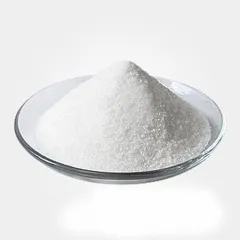
Aluminium Nitride AlN Ceramic Microsphere
Aluminium nitride (AlN) ceramic microspheres not only have ultra-high thermal conductivity, but also excellent electrical insulation properties. Their insulation strength can reach over 15 kV/cm, and their volume resistivity exceeds 10 ¹⁴Ω· cm. This characteristic can effectively avoid the risk of component short circuit and leakage, especially suitable for high-voltage and high-precision electronic systems. Unlike metal heat dissipation materials, AlN ceramic microspheres can directly contact sensitive electronic components without introducing electromagnetic interference, providing stable insulation protection for circuit systems while ensuring heat dissipation efficiency.
Another significant advantage of aluminium nitride (AlN) ceramic microspheres is their highly matched thermal expansion coefficient with silicon-based semiconductor materials. Its coefficient of thermal expansion (CTE) remains stable in the range of 4.6 × 10 ⁻⁶/℃ to 4.9 × 10 ⁻⁶/℃, which is very close to the CTE of silicon chips (about 3.5 × 10 ⁻⁶/℃). This means that during drastic temperature changes, the two "synchronously expand and contract", which can minimise interface thermal stress to the greatest extent possible, significantly reducing the risk of chip cracking, solder joint failure, or material delamination, providing fundamental guarantees for the long-term stable operation of electronic devices in harsh environments.
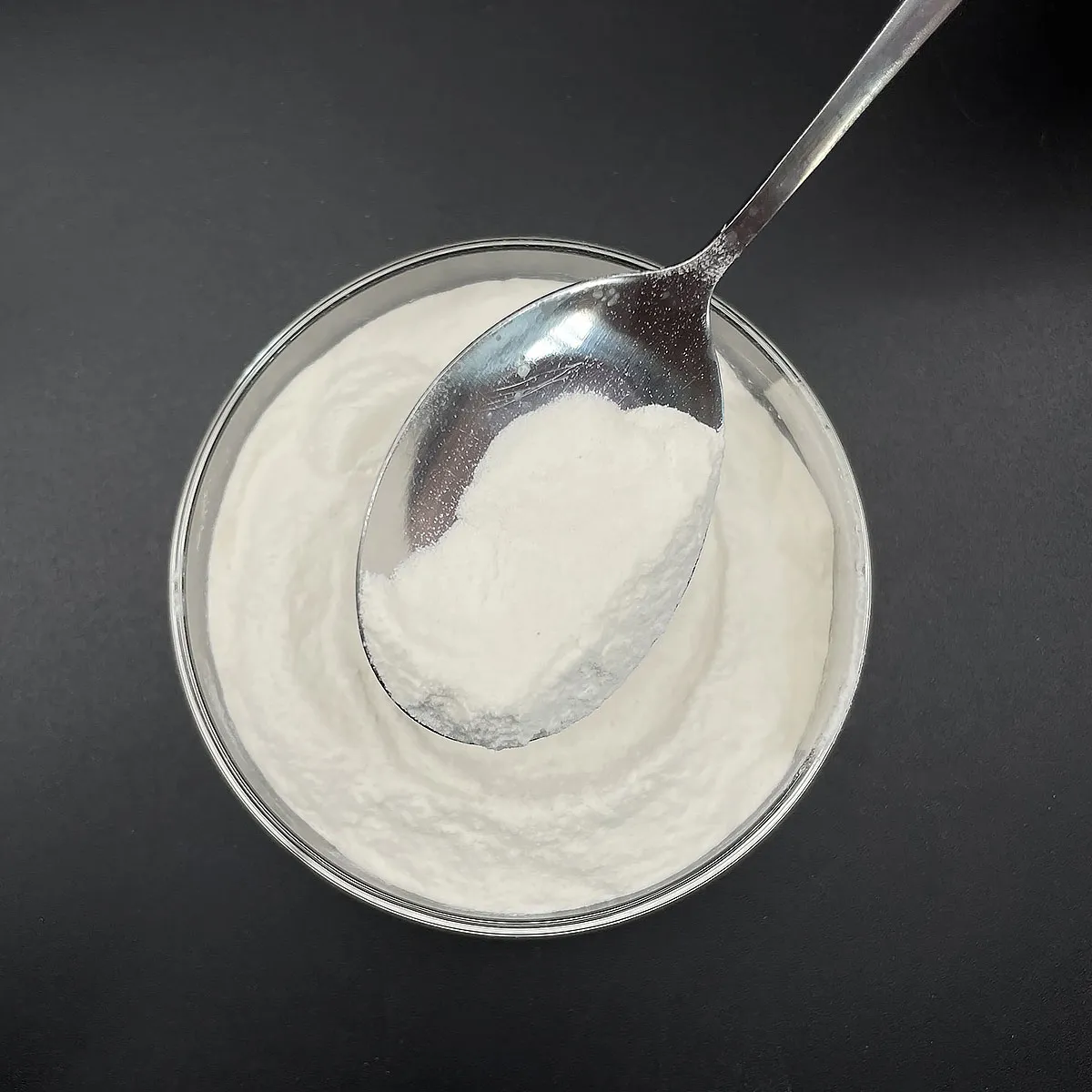
Aluminum Nitride
1. Aluminium nitride (AlN) ceramic microspheres are an ideal additive for high-performance thermal conductive materials in microelectronics and semiconductor packaging. Incorporating it into thermal grease, thermal pads, or potting adhesive can significantly improve the overall thermal conductivity while maintaining the insulation, flexibility, and ease of processing characteristics of the material, and assist in efficient heat dissipation of the chip. It effectively fills the micro gaps between the chip and the heat sink, reduces interface thermal resistance, and ensures rapid heat dissipation. For example, in 5G mobile phone chips, the power consumption has increased from 5W in the 4G era to more than 12W due to enhanced computing power. TIMs modified with AlN Ceramic Microspheres can reduce the chip surface temperature from 45℃ to below 38℃, effectively solving the overheating problem that causes performance throttling.
2. In the power electronics and new energy vehicle industries, aluminium nitride ceramic microspheres have become a key material in the heat dissipation design of core components such as power control units, inverters, and battery management systems. During vehicle operation and charging, the battery and electric drive system generate a large amount of heat, and the working environment temperature can fluctuate dramatically between -40 ℃ and 150 ℃. Aluminium nitride ceramic microspheres, with their excellent thermal stability and electrical resistance, can maintain stable performance under such harsh conditions and effectively control the temperature of key electronic components.
3. In the field of LED and optoelectronics, aluminium nitride ceramic microspheres serve as efficient heat dissipation substrates and packaging materials, effectively solving the performance degradation problem of high brightness LEDs caused by heat accumulation. Its excellent thermal conductivity can achieve uniform heat distribution, thereby reducing light decay rate by 20% -30% and significantly extending the service life of LED products to over 50000 hours. In addition, this material is widely used in products such as ultraviolet LEDs, laser diodes, optical sensors, and photovoltaic modules, providing reliable thermal management support for the continuous innovation and upgrading of optoelectronic technology.

Electron microscope image of Aluminium Nitride AlN powder
Aluminium nitride ceramic microspheres continue to make breakthroughs in technological research and development, and their product performance, production controllability, and cost-effectiveness are continuously optimised and improved. At present, water-based spray granulation technology has become the mainstream preparation process in the industry, which can produce high-quality microspheres with the following characteristics on a large scale: the sphericity is up to 95%, the oxygen content is less than 0.8%, and it has good fluidity. This process not only significantly improves the dispersion uniformity of microspheres in composite material systems but also effectively reduces production costs by 15% -20% compared to traditional methods, laying a solid foundation for downstream large-scale and high-quality applications.
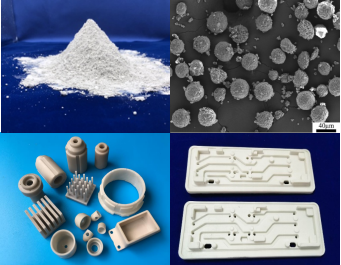
AIN Products
Surface modification technology effectively improves the performance and application adaptability of aluminium nitride microspheres. By treating with phosphoric acid or silane, its hydrolysis resistance and compatibility with organic matrix were significantly enhanced. Even after 16 hours of ball milling, the structure remained stable,e and the thermal conductivity did not significantly decrease. At the same time, combined with photopolymerization 3D printing technology, ceramic components with complex flow channels can be integrally formed. Compared with traditional designs, the heat dissipation area can be increased by up to 40%, opening up a new path focustomiseded and high-performance thermal management solutions.
As a key material for thermal management in advanced electronics, AlN Ceramic Microspheres are breaking through the performance limitations of traditional materials with their unique combination of high thermal conductivity, electrical insulation, and structural stability. With the deepening of technological innovation and the expansion of application fields, they will play an increasingly important role in promoting the upgrading and development of the electronics industry, helping enterprises create more efficient, reliable, and energy-saving electronic products and gain a competitive edge in the global market.
supplier
Luoyang Tongrun Nano Technology Co., Ltd. (TRUNNANO), Luoyang City, Henan Province, China, is a reliable and high-quality global chemical material supplier and manufacturer. It has more than 12 years of experience providing ultra-high quality chemicals and nanotechnology materials, including Hexagonal boron nitride, nitride powder, Hexagonal boron nitride powder, sulfide powder, and 3D printing powder. If you are looking for high-quality and cost-effective aluminium nitride ceramic microspheres, you are welcome to contact us or inquire at any time.