Overview of Silicon Nitride Needles
Silicon Nitride Needles are needle-like objects made of silicon nitride (Si₃N₄) as the main material. It has the advantages of high strength, high hardness, high-temperature resistance, wear resistance and good chemical stability. Silicon Nitride Needles are widely used in machining, electronic industry, aerospace and other fields, as high-precision machining tools, pins of electronic components or special structural components, etc., to meet the requirements of a variety of complex working conditions.
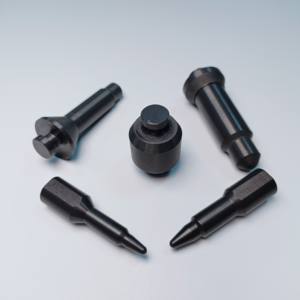
Silicon Nitride Needles
Features of Silicon Nitride Needles
High Strength and Hardness: High Strength and Hardness: Silicon Nitride Needles have a stable crystal structure, which gives them excellent strength and hardness. It can withstand large external forces without deformation. In industrial production, it can be used to process materials with high hardness, such as in metal cutting and drilling, etc. It can maintain good abrasion resistance and sharpness and prolong its service life.
High-temperature Resistance: Silicon Nitride Needles exhibit good high-temperature resistance and can maintain stable physical and chemical properties in high-temperature environments. They can endure high temperatures without softening or melting, making them widely applicable in high-temperature fields like aerospace and metallurgy. For instance, as high-temperature components in aviation engines, they can function normally in high-temperature gas environments.
Good Chemical Stability: Silicon Nitride Needles demonstrate strong resistance to acids, alkalis, and other chemicals, making them resistant to corrosion. In harsh chemical environments, such as in chemical production involving corrosive media processing and etching processes in the electronics industry, they can maintain stable performance, ensuring the accuracy and reliability of production processes.
Excellent Insulation Properties: Silicon Nitride Needles are excellent insulating materials with high resistivity and low dielectric constant. In the electrical and electronics field, they can be used to manufacture insulating components like integrated circuit pins and insulating supports. They effectively prevent current leakage and short-circuiting, ensuring the normal operation of electronic equipment.
Specifications of Silicon Nitride Needles
| Property |
Typical Value |
| Material |
Silicon nitride (Si₃N₄) |
| Density |
3.1 - 3.3 g/cm³3 |
| Hardness |
Vickers hardness (HV1) is about 16 GPa2 |
| Flexural strength |
780 - 980 MPa (room temperature), and can still maintain more than 80% of the strength at 1200℃ |
| Fracture toughness |
6.5 MPa·m¹/²2 |
| Young's modulus |
320 GPa2 |
| Poisson's ratio |
0.282 |
| Thermal expansion coefficient |
2 - 3.5×10⁻⁶/K (20 - 1000℃)2 |
| Thermal conductivity |
28 W/(m·K) at 20℃, 16 W/(m·K) at 1000℃2 |
| Maximum operating temperature |
1000℃ in air, 1400℃ in protective atmosphere3 |
| Electrical resistivity |
10¹² Ω·cm at 20℃, 10⁷ Ω·cm at 800℃2 |
| Dielectric constant |
6 (1 MHz) |
|
Applications of Silicon Nitride Needles
Machining Field: With high hardness and excellent wear resistance, Silicon Nitride Needles can be made into cutting tools for machining. They can perform high-speed cutting of various metal materials, improving processing efficiency and precision while reducing tool wear. They are particularly suitable for processing hard-to-machine materials like high-hardness alloys. In mold manufacturing, they can be used as ejector pins and other components to withstand high temperatures and pressures, ensuring normal mold opening and closing and smooth product release.
Electronics Industry: The good insulation properties of Silicon Nitride Needles make them ideal for electronic component pins, ensuring accurate electronic signal transmission and preventing leakage and short-circuit issues. In the photolithography process of semiconductor manufacturing, they can serve as high-precision positioning and support components, ensuring the accuracy and stability of photolithography and enhancing chip manufacturing yield.
Aerospace Field: High-temperature components of aviation engines, such as turbine blades, can be manufactured using composite materials reinforced with Silicon Nitride Needles. They maintain good mechanical properties in high-temperature, high-pressure gas environments, reducing engine weight, improving fuel efficiency, and enhancing overall aircraft performance. Additionally, in aerospace structural component connection parts, Silicon Nitride Needles can function as high-strength, high-temperature-resistant connectors to ensure structural reliability.
Company Profile
Luoyang Tongrun Nano Technology Co. Ltd. (TRUNNANO) is a trusted global chemical material supplier & manufacturer with over 12-year-experience in providing super high-quality chemicals and nanomaterials, including boride powder, nitride powder, graphite powder, ceramic products, 3D printing powder, etc.
The company has a professional technical department and Quality Supervision Department, a well-equipped laboratory, and equipped with advanced testing equipment and after-sales customer service center.
If you are looking for high-quality Ceramic Products please feel free to contact us or click on the needed products to send an inquiry.
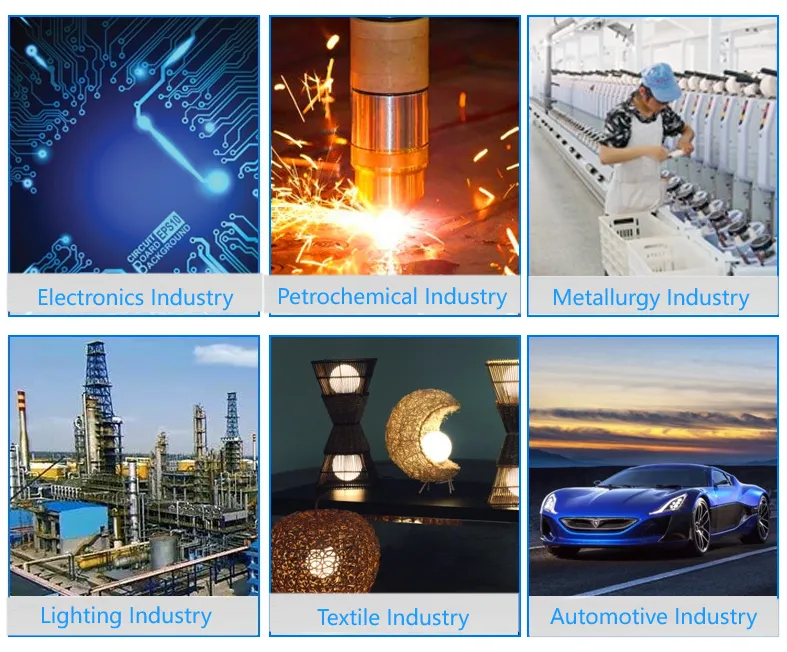
Applications of Ceramic Products
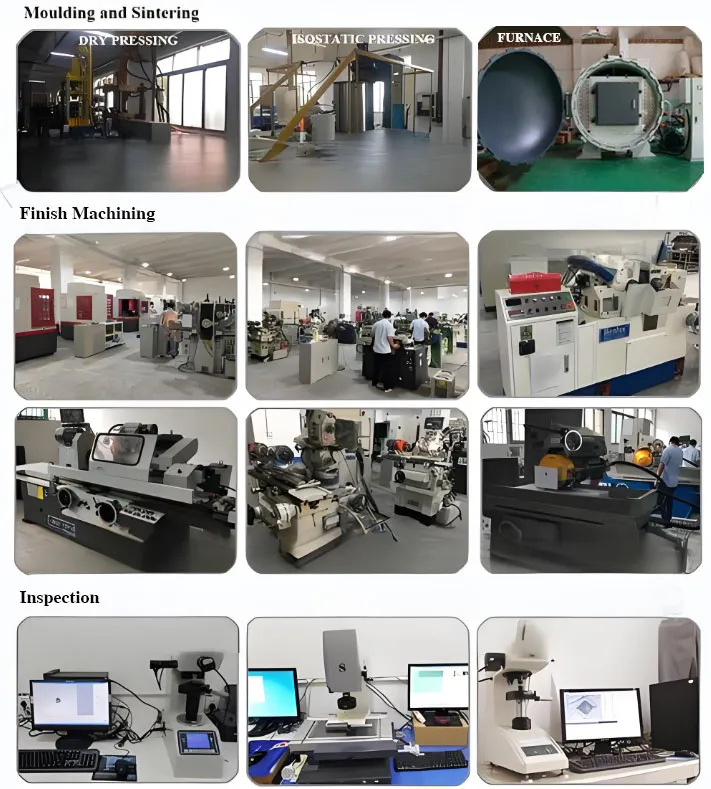
Process of Ceramic Products
Payment Term
T/T, Western Union, Paypal, Credit Card etc.
Shipment Term
By air, by sea, by express, as customers request.
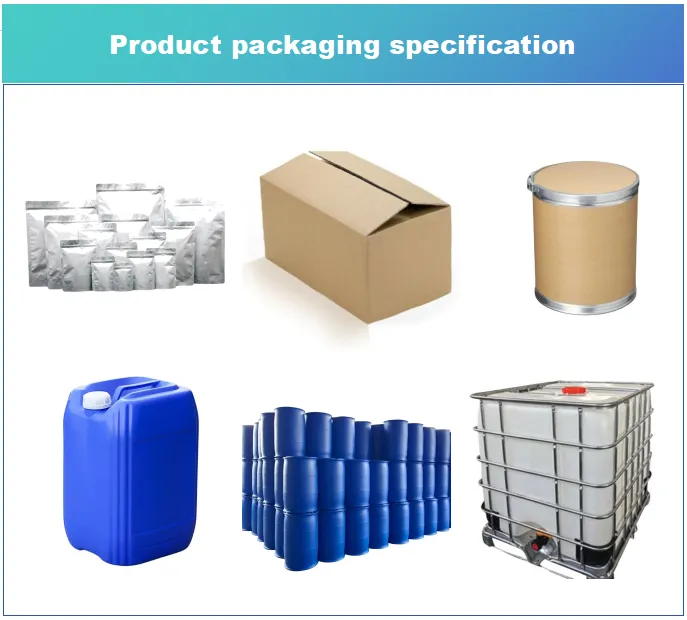
5 FAQs About Silicon Nitride Needles
Q1: What are the advantages and disadvantages of Silicon Nitride Needles?
Advantages: They combine high strength (flexural strength over 1000MPa), high toughness (fracture toughness of 5-6MPa・m¹/²), and low thermal expansion coefficient (2.8-3.2×10-⁶/°C), enabling them to withstand extreme working conditions.
Disadvantages: They are brittle, prone to chipping upon impact, and difficult to process, with precision machining costs being 3-5 times higher than those of ordinary metals.
Q2: How can Silicon Nitride Needles be maintained and their lifespan extended?
Avoid severe impacts during use to prevent surface micro-cracks; control oxidation rates in high-temperature environments and avoid prolonged exposure to air above 1400°C; regularly inspect surface wear and enhance hardness and wear resistance by forming a silicon carbide coating on the surface via chemical vapor deposition (CVD).
Q3: What is the difference between Silicon Nitride Needles and Tungsten Carbide Needles?
Tungsten carbide is harder (Mohs hardness of 9.8) but more brittle and less heat-resistant (oxidation increases above 800°C). Silicon Nitride Needles retain strength at 1200°C and are suitable for high-temperature, high-speed cutting, whereas Tungsten Carbide is more suitable for machining super-hard materials at room temperature.
Q4: Do Silicon Nitride Needles have environmental advantages?
The production process is energy-intensive, but the material itself is non-toxic and recyclable after disposal. In the medical field, Silicon Nitride implants do not require removal via a second surgery, reducing patient discomfort.
Q5: What are the latest trends in Silicon Nitride Needles?
In 2025, Silicon Nitride welding needles are gaining rapid popularity in automotive and aerospace industries for welding new energy vehicle batteries and connecting aircraft lightweight structural parts. Additionally, nano-silicon Nitride coating technology is under development to further enhance their surface hardness and corrosion resistance.