Silicon Nitride Ceramic Shafts: High-Performance Components
Silicon Nitride Ceramic Shafts is a high-performance shaft component. It is made of Silicon Nitride Ceramic, which is characterized by high strength and high hardness and can withstand large loads. With excellent wear and corrosion resistance, they can operate in harsh environments. They also offer outstanding high-temperature resistance, maintaining stable mechanical properties. Additionally, these shafts have a low friction coefficient and high precision and are widely used in aerospace, automotive, and machinery fields.
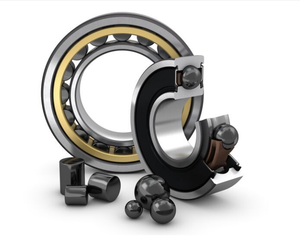 Silicon Nitride Ceramic Shafts
High Strength and Hardness: Extremely strong and hard, second only to diamond and a few other materials. They maintain stability and wear resistance under high loads and speeds, resisting deformation and wear, which extends service life.
Good Wear and Corrosion Resistance: With a smooth surface and low friction coefficient, they effectively reduce wear. They also exhibit excellent corrosion resistance to most chemicals, ensuring stable operation in harsh chemical environments.
Excellent High-Temperature Resistance: Can maintain good mechanical properties and dimensional stability in high-temperature environments, withstanding temperatures up to 1200℃ or higher, making them suitable for various high-temperature conditions.
Low Density: Much lighter than traditional metal shafts, helping to reduce equipment weight and improve operational efficiency and flexibility. This is particularly valuable in fields like aerospace and high-speed trains, where weight is a critical factor.
Good Insulation: Possessing excellent electrical insulation properties, they effectively prevent current leakage and short-circuits, making them suitable for equipment with special electrical requirements.
Specifications of Silicon Nitride Ceramic Shafts
| Property |
Typical Value |
| Material |
Si₃N₄ |
| Density |
3.1 - 3.3 g/cm³3 |
| Color |
Gray, gray - black |
| Hardness |
Mohs 9 or above, HRA 92 - 94 |
| Max. Service Temperature |
1200 - 1600 °C |
| Thermal Conductivity |
23 - 27 W/(m·K)2 |
| Bending Strength |
≥900 MPa |
| Fracture Toughness |
6 - 8 (MPa·m¹/²) |
| Thermal Expansion Coefficient (0 - 1400 °C) |
2.95 - 3×10⁻⁶/°C |
| Dielectric Strength |
20 kV/mm2 |
| Max. Manufacturable Size |
Length ≤ 1200 mm, diameter ≤ 300 mm, thickness ≤ 50 mm |
|
Applications of Silicon Nitride Ceramic Shafts
Aerospace: The low density of silicon nitride ceramic shafts reduces aircraft weight, improving fuel efficiency and range. Their high strength, hardness, and high-temperature resistance ensure aviation engines and other key components can withstand harsh conditions, ensuring flight safety and engine efficiency.
Automotive Industry: In automotive engines, these shafts can withstand high temperatures and speeds, reducing friction loss and improving engine thermal efficiency and power output. They also reduce engine wear and extend service life.
Industrial Machinery Field: In high-speed machine tools, textile machinery and other equipment, the high precision and low coefficient of friction of silicon nitride ceramic shafts can realize precise transmission and efficient operation and improve processing accuracy and product quality.
Electronics Industry: In semiconductor manufacturing equipment, their good insulation and high-precision rotary performance make them ideal for transmission parts in key equipment like ion implanters and photolithography machines, improving semiconductor device manufacturing precision and quality.
Company Profile
Luoyang Tongrun Nano Technology Co. Ltd. (TRUNNANO) is a trusted global chemical material supplier & manufacturer with over 12-year-experience in providing super high-quality chemicals and nanomaterials, including boride powder, nitride powder, graphite powder, ceramic products, 3D printing powder, etc.
The company has a professional technical department and Quality Supervision Department, a well-equipped laboratory, and equipped with advanced testing equipment and after-sales customer service center.
If you are looking for high-quality Ceramic Products please feel free to contact us or click on the needed products to send an inquiry.
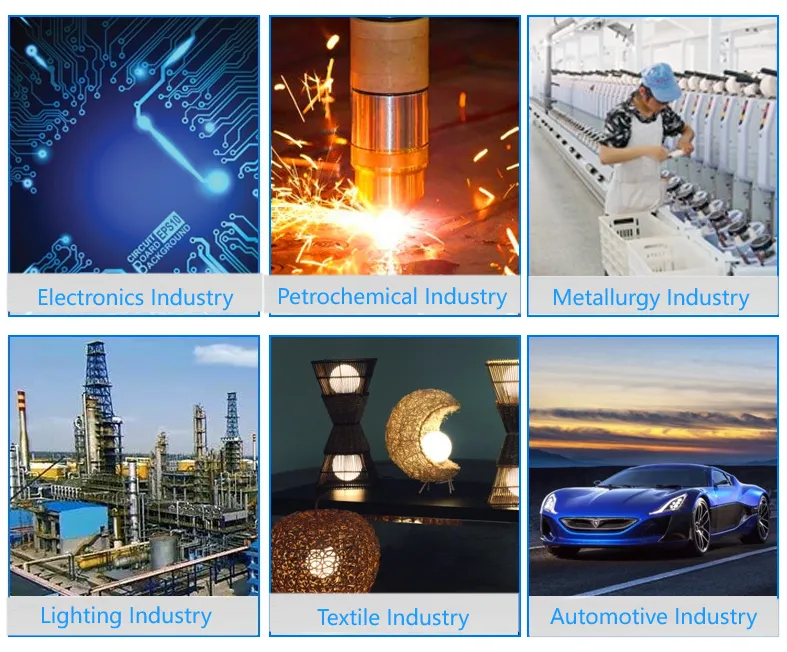
Applications of Ceramic Products
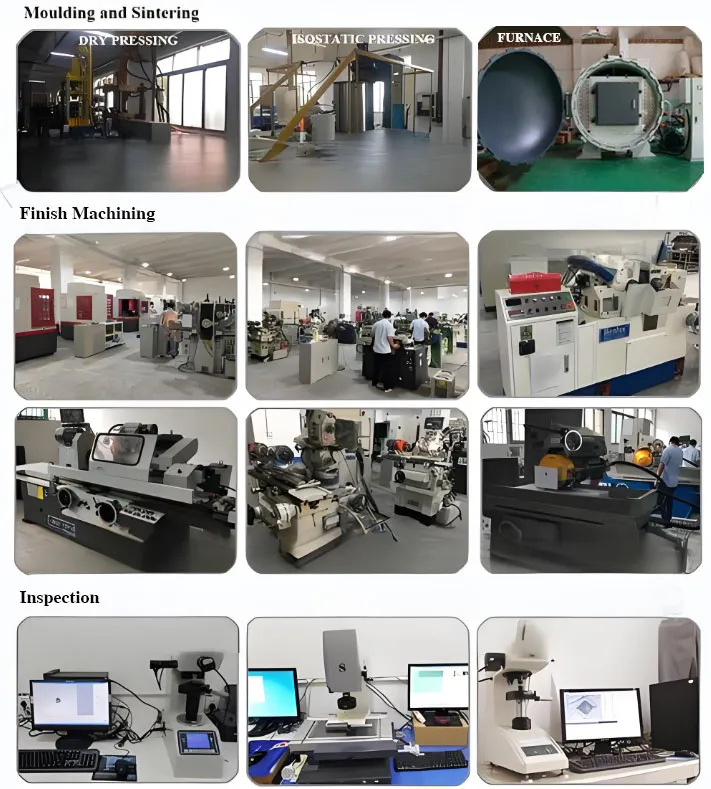
Process of Ceramic Products
Payment Term
T/T, Western Union, Paypal, Credit Card etc.
Shipment Term
By air, by sea, by express, as customers request.
5 FAQs About Silicon Nitride Ceramic Shafts
Q1: What are the disadvantages of silicon nitride ceramic shafts and how to address them?
High Brittleness: Weak impact resistance; avoid collisions. Solution: Gradient porosity design with a dense surface layer and cushioned core.
Difficult to Process: High hardness leads to low processing efficiency. Solution: Use diamond grinding wheels and laser micro-structuring technology.
High Cost: HIP process is 3 - 5 times more expensive than the normal process. Solution: Scale production to reduce unit cost and accelerate domestic substitution.
Q2: How to maintain silicon nitride ceramic shafts?
Installation: Avoid knocking; use uniform pressure assembly to prevent surface damage.
Lubrication: Use low-viscosity lubricants for high-speed operation; self - lubrication can suffice under normal conditions.
Cleaning: Regularly clean with gasoline or special agents to remove adhesions and prevent wear.
Temperature Control: Avoid sudden temperature changes to prevent thermal stress cracking; recommended working temperature ≤1000℃.
Q3: What is the market outlook for silicon nitride ceramic shafts?
Growth Drivers: Increasing adoption in new energy vehicles (38.6% by 2024), with demand for HIP silicon nitride bearing balls growing by over 20% annually.
Technology Trends: Nano - composites and 3D printing enhance material toughness; intelligent monitoring systems improve reliability.
Q4: How environmentally friendly are silicon nitride ceramic shafts?
Production: Uses non-toxic raw materials. Some processes (e.g., HIP) are energy-intensive, but the product's long life reduces replacement frequency.
Recycling: Ceramic materials are hard to degrade and require professional recycling, primarily through physical crushing.
Q5: What are the typical failures and causes of silicon nitride ceramic shafts?
Fracture: Caused by excessive impact load or thermal stress. Solution: Optimize structural design.
Wear: Insufficient lubrication or foreign matter intrusion. Solution: Regular cleaning and seal inspection.
Corrosion: Long-term exposure to strong acids or alkalis. Solution: Apply corrosion-resistant coatings (e.g., SiC).