Overview of Sodium P-styrene Sulfonate
Sodium styrene sulfonate is one of the most suitable monomers for synthesizing water-soluble polymer materials, and its polymer can be used as a dyeing modifier; Sodium styrene sulfonate and polyethylene benzyl trimethylammonium chloride form polymer coordination compounds, which can be used as artificial physiological membranes, etc; The aqueous solution polymer made from this product can be used as a flocculant, Chemicalbook makeup dispersant, and hair styling agent; This product is a homopolymer or copolymer that is an excellent anti-static agent for plastics, fibers, paper, and other materials; In addition, it is used as ion exchange resin and exchange membrane; It is also used in photosensitive chemicals (gelatin viscosity regulators) microcapsules, electroplating electron photography developers, and drugs for treating ulcers.
Specifications table of Sodium P-styrene Sulfonate
| Property |
Specification |
| Chemical Name |
Sodium P-Styrene Sulfonate (SPS) |
| Chemical Formula |
C₈H₇SO₃Na |
| Molecular Weight |
206.19 g/mol (for the monomer; the polymer's molecular weight can vary) |
| Appearance |
White to off-white powder or granules |
| Solubility |
Highly soluble in water, insoluble in most organic solvents |
| pH |
6.0 - 8.0 (1% solution in water) |
| Density |
1.35 - 1.40 g/cm³ (bulk density) |
| Viscosity |
Varies with concentration and molecular weight |
| Ionic Character |
Anionic |
| Stability |
Stable under normal conditions; avoid high temperatures and strong acids/alkalis |
| Purity |
≥98% (by weight) |
| Packaging |
Typically available in 25 kg bags, 500 kg drums, or 1000 kg IBCs |
| Storage Conditions |
Store in a cool, dry place, away from incompatible materials and direct sunlight |
| Shelf Life |
2 years when stored properly |
| Safety Data |
Refer to the Safety Data Sheet (SDS) for detailed safety information |
Properties of Sodium P-styrene Sulfonate
Melting Point: 151-154 ° C
Boiling Point: 111-112 ° C
Density: 1.043g/mL at 25 ° C
Vapour Pressure: 0Pa at 25 ℃
Refractive Index: n20/D1.387
Flash Point: 78 ° F
Storage Conditions: Keep in dark place, Sealed in dry, RoomTemperature
Form: Powder
Color: White
Solubility:
Soluble in water
Hydrolysis Sensitivity: 0: Forms stable aqueous solutions
Stability: Stable. Incompatible with strong oxidizing agents
Product Performance of Sodium P-styrene Sulfonate
White to slightly yellow crystalline powder. Relative molecular weight 206.19. Relative density 0.5 (25 ℃). Melting point 330 ℃ (decomposition). Insoluble in benzene, acetone, and carbon tetrachloride, soluble in water (22.2 at 20 ℃), methanol (5.0 at 20 ℃), and dimethylformamide (8.5 at 20 ℃). This product has a vinyl group, coupled with the induction effect of para sulfonic acid group, it has strong reactivity and polymerization ability, so it can be used as a vinyl monomer with sulfonic acid group. Male mice with oral LD5016000mg/kg.
Technical Parameter of Sodium P-styrene Sulfonate
| Product Name |
Short Name |
Purity |
PH |
Odor |
Appearance |
| Sodium p-styrene sulfonate |
SSS |
89% |
7.5-11 |
Slight characteristic odor |
white powder |
Application of Sodium P-styrene Sulfonate
1. Sodium p-styrene sulfonate is a widely used surfactant, used in the manufacture of acrylic fiber (DuPont process); the copolymer or copolymer mixture (copolymer and acrylic acid blend) of this product and acrylic acid can be used for dyeing Modifier, improves the dyeing performance of basic dyes; used as reactive emulsifier, has good stability and water resistance; the polymer coordination compound formed by this product and polyvinyl benzyltrimethylammonium chloride can be used Used as artificial physiological membranes (such as artificial kidneys, contact lenses, etc.), industrial dialysis membranes, battery separators, rectifiers, etc.; water-soluble polymers made from this product can be used as flocculants, dispersants for cosmetics, and hair styling agent; the homopolymer or copolymer of this product can be used as an antistatic agent for plastics, fibers, paper, etc.; this product can be made into ion exchange resin or ion exchange membrane; this product can also be used in photosensitive chemicals (regulating gelatin viscosity), microcapsules, electrophotographic developers, electroplating bath additives (to improve gloss), medicine, etc.
 Application of Sodium P-styrene Sulfonate
 Company Profile
Luoyang Tongrun Nano Technology Co. Ltd. (TRUNNANO) is a trusted global chemical material supplier & manufacturer with over 12-year-experience in providing super high-quality chemicals and nanomaterials, including boride powder, nitride powder, graphite powder, sulfide powder, 3D printing powder, etc.
The company has a professional technical department and Quality Supervision Department, a well-equipped laboratory, and equipped with advanced testing equipment and after-sales customer service center.
If you are looking for high-quality Sodium P-styrene Sulfonate, please feel free to contact us or click on the needed products to send an inquiry.
Company Profile
Luoyang Tongrun Nano Technology Co. Ltd. (TRUNNANO) is a trusted global chemical material supplier & manufacturer with over 12-year-experience in providing super high-quality chemicals and nanomaterials, including boride powder, nitride powder, graphite powder, sulfide powder, 3D printing powder, etc.
The company has a professional technical department and Quality Supervision Department, a well-equipped laboratory, and equipped with advanced testing equipment and after-sales customer service center.
If you are looking for high-quality Sodium P-styrene Sulfonate, please feel free to contact us or click on the needed products to send an inquiry.
 Packing of Sodium P-styrene Sulfonate
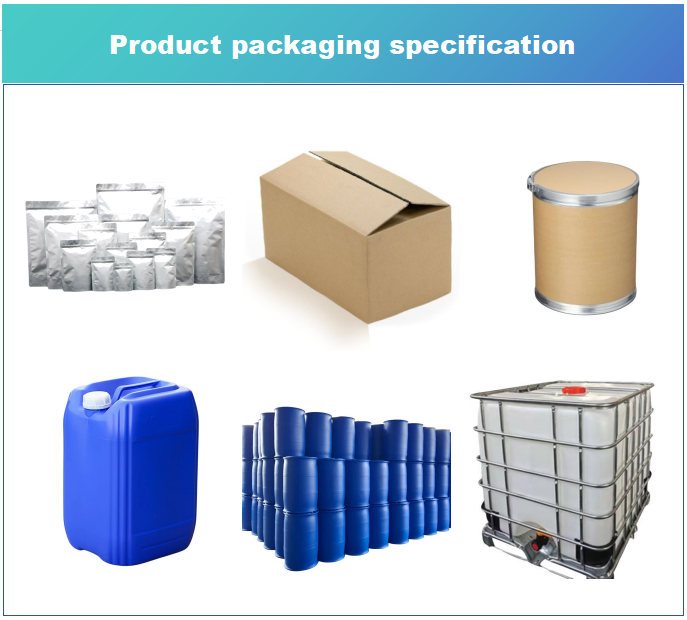
1kg/bottle, 25kg/barrel, or 200kg/ barrel.
We have many different kinds of packing which depend on the quantity of TPM Tripropylene Glycol Monomethyl Ether
Packing of Sodium P-styrene Sulfonate
1kg/bottle, 25kg/barrel, or 200kg/ barrel.
We have many different kinds of packing which depend on the quantity of TPM Tripropylene Glycol Monomethyl Ether
 Payment Methods of Sodium P-styrene Sulfonate
L/C, T/T, Western Union, Paypal, Credit Card etc.
Shipment of Sodium P-styrene Sulfonate
By sea, by air, by express as soon as possible once payment receipt.
FAQ of Sodium P-styrene Sulfonate
Payment Methods of Sodium P-styrene Sulfonate
L/C, T/T, Western Union, Paypal, Credit Card etc.
Shipment of Sodium P-styrene Sulfonate
By sea, by air, by express as soon as possible once payment receipt.
FAQ of Sodium P-styrene Sulfonate
Q1: What is Sodium P-Styrene Sulfonate used for?
Re: Sodium P-Styrene Sulfonate (SPS) is a water-soluble anionic polymer with a wide range of applications. It is commonly used as a dispersant in paints, inks, and coatings to improve the stability and flow properties of these products. SPS is also used in water treatment as a scale inhibitor to prevent the formation of mineral scales in industrial processes. Additionally, it finds use in the production of water-based adhesives, construction chemicals, and as a component in drilling fluids in the oil and gas industry. Its ability to enhance the performance of various formulations makes it a versatile additive.
Q2: What is the chemical formula of Sodium P-Styrene Sulfonate?
Re: The chemical formula of Sodium P-Styrene Sulfonate is C₈H₇SO₃Na. This formula represents the monomer unit of the polymer, which includes a styrene backbone with a sulfonate group and a sodium ion. When polymerized, SPS forms a long chain of these monomers, resulting in a polymeric structure.
Q3: How should Sodium P-Styrene Sulfonate be stored?
Re: Sodium P-Styrene Sulfonate should be stored in a cool, dry place, away from direct sunlight and incompatible materials such as strong acids or alkalis. It is recommended to store it in tightly sealed containers to prevent moisture absorption and degradation. Proper storage conditions help maintain its stability and effectiveness. The storage area should be well-ventilated, and the temperature should generally be kept between 5°C and 30°C (41°F to 86°F).
Q4: Is Sodium P-Styrene Sulfonate hazardous?
Re: Sodium P-Styrene Sulfonate is generally considered to be a low-hazard material, but it can still pose some risks if not handled properly. It may cause irritation to the eyes, skin, and respiratory tract. It is important to handle it with appropriate personal protective equipment (PPE), such as gloves, safety goggles, and a dust mask. Follow the safety guidelines outlined in the Safety Data Sheet (SDS). In case of contact with the skin or eyes, rinse thoroughly with water and seek medical attention if necessary. Ensure good ventilation in the working area to avoid inhalation of dust. Always consult the latest SDS provided by the manufacturer for detailed safety and handling information.