Overview of Sorbitan Trioleate
Sipan is a synthetic non-ionic emulsifier produced by partial esterification of sorbitol or sorbitol anhydride with edible grade palmitic acid. It is light milky yellow to brownish yellow in the form of fine beads, flakes, or hard waxy particles, with a soft oily odor and caramel sweetness. Sipan-85 is not a single compound, but a mixture with various similar compositions, mainly composed of sorbitol and trioleic acid phenol. It has low viscosity and the lowest HLB value, making it the most lipophilic. It is an excellent water in oil (w/O) emulsifier and also an auxiliary emulsifier for o/w.
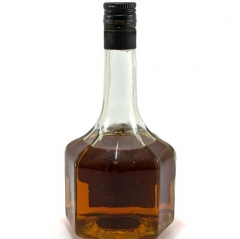
Sorbitan trioleate
Properties of Sorbitan Trioleate
Melting Point: -23 ° C (lit.)
Density: 0.94g/mL at 20 ° C
Vapour Pressure: <1.4hPa (20 ° C)
Refractive Index: n20/D1.476 (lit.)
Flash Point: >230 ° F
Storage Conditions: Store below+30 ° C
Solubility: Chloroform: soluble, 50mg/mL, clear, light yellow
Form: Oil like
Color: Colorless to light yellow
Performance of Sorbitan Trioleate
This product is an amber to brown oily liquid with a relative density (25 ℃) of 0.95 ± 0.05 and a melting point of 10 ℃. It is slightly soluble in isopropanol, tetrachloroethylene, xylene, cottonseed oil, and mineral oil.
Preparation Method of Sorbitan Trioleate
Mix 10g of sorbitol and 10g of oleic acid in a mixer, add 0.03g of neutral catalyst, and raise the temperature to 220 ℃ at a rate of 2 ℃/min. Continue stirring with a chemical book. When the acid value (mgKOH/g) is ≤ 15, lower the temperature and discharge to obtain a yellow oily liquid. The test results show that the hydroxyl value (mgKOH/g) is 65, the saponification value is 170, and the water content is ≤ 1.5%.
Production Methods of Sorbitan Trioleate
Add 1mol of sorbitol into the reaction vessel, vacuum dehydrate, and then inject preheated refined oleic acid into the vessel. The amount of oleic acid added is 3mol, and then add an appropriate amount of sodium hydroxide as a catalyst. Then gradually raise the temperature to 210 ℃ under vacuum, and hold the reaction for 8 hours. The acid value of the sample is 14-15mgKOH/g, and the esterification reaction is completed. Let it stand for layering, discard the lower liquid, and pour the upper liquid into the decolorization kettle. After decolorization with hydrogen peroxide, reduce the pressure for dehydration. After dehydration is completed, the finished product is discharged and packaged.
Technical Parameter of Sorbitan Trioleate
|
Product Name |
Odor |
HLB |
Appearance |
|
Sorbitan trioleate |
Grease odor |
1.8 |
Amber to brown viscous oily liquid |
Application of Sorbitan Tristrearate
1. Used as emulsifiers, solvents, and rust inhibitors in pharmaceuticals, cosmetics, textiles, paints, petroleum products, and oil extraction industries.
2. Used as emulsifier, lubricant, wetting agent, dispersant, thickener, etc
3. Gas chromatography stationary liquid, non-ionic surfactant, water/oil emulsifier, dispersant

The reasons of choosing us
Company Profile
Luoyang Tongrun Nano Technology Co. Ltd. (TRUNNANO) is a trusted global chemical material supplier & manufacturer with over 12-year-experience in providing super high-quality chemicals and nanomaterials, including boride powder, nitride powder, graphite powder, sulfide powder, 3D printing powder, etc.
The company has a professional technical department and Quality Supervision Department, a well-equipped laboratory, and equipped with advanced testing equipment and after-sales customer service center.
If you are looking for high-quality Sorbitan Tristrearate, please feel free to contact us or click on the needed products to send an inquiry.

Company Profile
Packing of Sorbitan Tristrearate
1kg/bottle, 25kg/barrel, or 200kg/ barrel.
We have many different kinds of packing which depend on the quantity

Packing of Sorbitan Tristrearate
Payment Methods of Sorbitan Tristrearate
L/C, T/T, Western Union, Paypal, Credit Card etc.
Shipment of Sorbitan Tristrearate
By sea, by air, by express as soon as possible once payment receipt.
FAQs of Sorbitan Tristrearate
Q: What are the main applications of Sorbitan Trioleate?
A: Sorbitan Trioleate has several key applications: Cosmetics and Personal Care: Used in creams, lotions, and makeup products as an emulsifier to stabilize formulations and enhance texture. Food Industry: Employed as an emulsifier in baked goods, confectionery, and dairy products to improve consistency and shelf life. Pharmaceuticals: Incorporated into drug formulations to aid in the dispersion and stabilization of active ingredients. Industrial Applications: Utilized in paints, coatings, and lubricants for its dispersing and stabilizing properties. Cleaning Products: Added to detergents and cleaning agents to improve grease removal and provide better cleaning performance.
Q: Is Sorbitan Trioleate safe for use in consumer products?
A: Yes, Sorbitan Trioleate is generally recognized as safe (GRAS) by regulatory bodies such as the U.S. Food and Drug Administration (FDA) for use in food products and is also considered safe for use in cosmetics and personal care products. The Cosmetic Ingredient Review (CIR) Expert Panel has reviewed Sorbitan Trioleate and concluded that it is safe for use in rinse-off and leave-on products. However, individual sensitivity can vary, so patch testing is recommended if you have known allergies or particularly sensitive skin. Always follow safety data sheets (SDS) and local regulations for handling, storage, and disposal.
Q: What are the advantages of using Sorbitan Trioleate over other emulsifiers?
A: The advantages of using Sorbitan Trioleate include: Excellent Emulsification: Provides superior emulsifying properties, creating stable oil-in-water emulsions that resist separation. Versatility: Suitable for a wide range of applications across different industries due to its ability to work well with various oils and water-based systems. Natural Origin: Derived from natural sources like sorbitol and oleic acid, appealing to consumers looking for products made from renewable resources. Low Irritancy: Generally considered mild and less likely to cause irritation compared to some synthetic emulsifiers. Compatibility: Shows good compatibility with a variety of other ingredients, allowing for flexible formulation design.
Q: How should Sorbitan Trioleate be stored and handled?
A: Proper storage and handling practices for Sorbitan Trioleate include: Storage Conditions: Store in a cool, dry place away from direct sunlight and heat sources to prevent degradation and maintain quality. Sealed Containers: Keep in tightly sealed containers to avoid contamination and oxidation, preserving the product's integrity. Compatibility: Be aware of potential incompatibilities with certain preservatives or active ingredients; always test formulations for stability. Personal Protection: Wear appropriate personal protective equipment (PPE) such as gloves and goggles when handling large quantities in industrial settings to protect against skin and eye irritation. Disposal: Dispose of any unused product according to local regulations for chemical waste management, ensuring responsible environmental practices.
Sorbitan trioleate Properties |
|||
| Other Names | N/A | ||
| CAS No. | 26266-58-0 | ||
| Compound Formula | C24H46O6 | ||
| Molecular Weight | N/A | ||
| Appearance | Amber to brown viscous oily liquid | ||
| Melting Point | N/A | ||
| Boiling Point | N/A | ||
| Density | N/A | ||
| Solubility in H2O | N/A | ||
| Exact Mass | N/A | ||
|
|||
| Signal Word | N/A | ||
| Hazard Statements | N/A | ||
| Hazard Codes | N/A | ||
| Risk Codes | N/A | ||
| Safety Statements | N/A | ||
| Transport Information |
|
||