We use cookies to improve your online experience. By continuing browsing this website, we assume you agree our use of cookies.
Advanced Ceramics

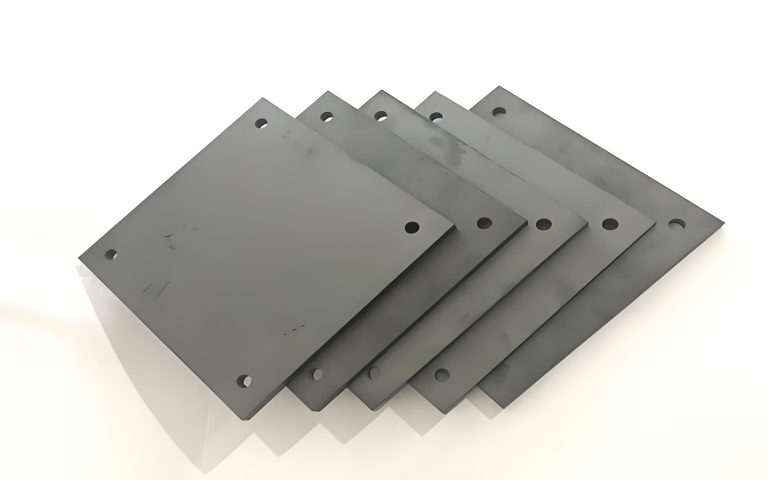
Silicon Carbide Plates High Temperature Silicon Carbide Board Refractory

Silicon Carbide (SiC) plate is a composite material composed of carbon and silicon with excellent physical and chemical properties.
INQUIRY
Description
Overview of Silicon Carbide Plates
Silicon carbide plate is a high-performance ceramic material made by pressing and sintering silicon carbide powder. It possesses high hardness, high strength, good thermal conductivity and electrical insulation, and is able to maintain its structural integrity in high-temperature environments. This material is commonly used in the manufacture of a variety of industrial components and equipment, such as seals, bearings, nozzles, heating elements, and so on.

Silicon Carbide Plates
 
Features of Silicon Carbide Plates
High hardness: Silicon carbide has a Mohs hardness close to that of diamond, which makes silicon carbide plates very wear-resistant and suitable for use as wear-resistant components.
High temperature resistance: able to withstand extremely high temperatures, up to 1600°C or more, suitable for applications in high-temperature environments.
Low coefficient of thermal expansion: maintains dimensional stability even under drastic temperature changes, reducing the risk of damage due to thermal expansion and contraction.
Excellent thermal conductivity: Helps conduct heat quickly, which is important for applications that require efficient heat dissipation.
Chemically inert: Very resistant to most acid and alkali solutions and not easily corroded.
Electrical insulation: maintains good electrical insulation properties at high temperatures, suitable for electrical insulation applications.
Creep resistance: not easily deformed even under long time force or high temperature conditions.
 
Specifications of Silicon Carbide Plates
Parameter Typical Value Unit
Physical Dimensions    
– Thickness 0.5 mm to 50 mm mm
– Width/Length Customizable, standard sizes like 300×300, 400×400, 600×600 mm x mm
– Shape Rectangular, square, circular, custom  
Density 2.95 to 3.20 g/cm³
Hardness    
– Rockwell A (HRA) 85 to 93  
– Vickers (HV) 2500 to 3500 kg/mm²
Thermal Conductivity 120 to 270 W/m·K
Coefficient of Thermal Expansion 4.0 to 4.5 × 10^-6 /°C (20-1000°C) /°C
Bending Strength 300 to 700 MPa
Chemical Resistance Excellent resistance to most acids, bases, and salts  
Electrical Resistivity > 10^12 Ω·cm
Thermal Shock Resistance Can withstand rapid temperature changes up to 1000°C  
Operating Temperature Up to 1600°C °C
Surface Finish Rough, polished, or other treatments  
Porosity Very low, typically less than 1% %
Crystal Structure α-SiC (hexagonal), β-SiC (cubic)  
Impurity Content Depends on application; high-purity grades available  
Dimensional Tolerance ±0.05 mm or tighter, depending on precision requirements mm
 
 
Applications of Silicon Carbide Plates
Semiconductor industry: As a base material for semiconductor devices, for example, to make silicon carbide substrates, as its wide bandgap characteristics allow for higher breakdown voltages and lower power losses.
Automotive manufacturing industry: for the production of wear-resistant parts such as brake pads and turbocharger rotors to improve vehicle safety and efficiency.
Chemical industry: Due to its chemical stability and corrosion resistance, it is widely used in pumps, valves and other equipment handling corrosive media.
Metallurgy and foundry industry: it can be used as crucibles, melting furnace linings and other high-temperature operating tools to ensure purity in the metal melting process.
Aerospace: Due to its lightweight and high strength properties, it can be used in the manufacture of aircraft engine components, such as blades and nozzles, to reduce weight and enhance durability at the same time.
Mechanical engineering: used in the manufacture of precision machine tools, grinding wheels, etc., to improve processing accuracy and efficiency.
Environmental technology: Participating in exhaust gas purification systems, such as carrier materials in catalytic converters, to help reduce pollutant emissions.
 

Packing and Storage
The product is in powder form and should be stored in a cool, ventilated place. Avoid inhalation when using it and keep away from open flames, heat sources, etc.
 
Company Profile
Luoyang Tongrun Nano Technology Co. Ltd. (TRUNNANO) is a trusted global chemical material supplier & manufacturer with over 12-year-experience in providing super high-quality chemicals and nanomaterials, including boride powder, nitride powder, graphite powder, sulfide powder, 3D printing powder, etc.
 
The company has a professional technical department and Quality Supervision Department, a well-equipped laboratory, and equipped with advanced testing equipment and after-sales customer service center.
 
If you are looking for high-quality Silicon Carbide Plates please feel free to contact us or click on the needed products to send an inquiry. 

Company Profile
 
Payment Term
T/T, Western Union, Paypal, Credit Card etc.
 
Shipment Term
By air, by sea, by express, as customers request.
 
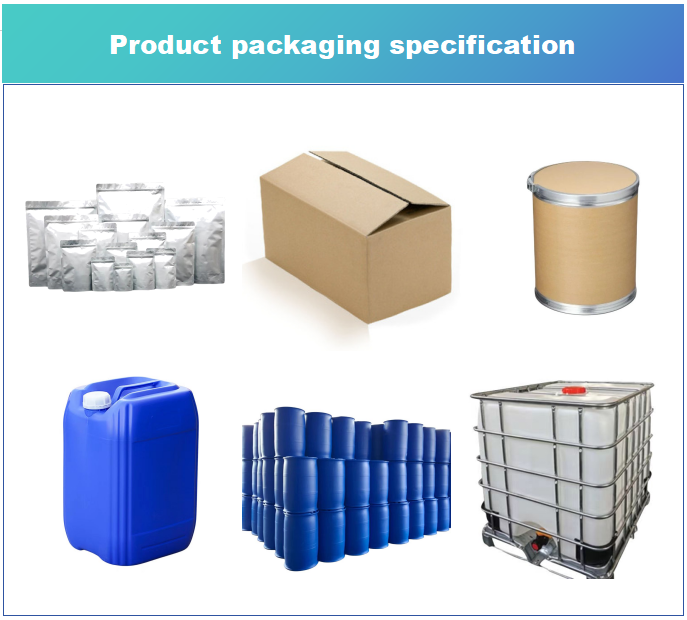
Packaging

FAQs of Silicon Carbide Plates
Question 1: What is the definition of a silicon carbide plate and its basic structure?
Answer: Silicon carbide plate is a high-performance ceramic material based on silicon carbide (SiC). The preparation process is based on the generation of a dense silicon carbide structure from high-purity carbon and silicon through a complex chemical reaction. Silicon carbide is a covalently bonded compound, and its unique crystal structure gives the material great strength and stability. Silicon carbide plates are usually prepared from powdered raw materials by processes such as sintering or vapor phase deposition.
 
Question 2: What are the advantages of silicon carbide plates over other materials?
Answer: Silicon carbide plates show significant advantages over traditional ceramic materials in several ways. For example, silicon carbide plates are not only harder than alumina plates (about 9.5 on the Mohs hardness scale), but also have substantially better thermal conductivity, making them suitable for applications that require efficient heat dissipation. In addition, silicon carbide plates have good resistance to corrosion by acids, alkalis and other chemicals, and are able to maintain long-term stability in oxidizing environments, greatly extending their service life. In the case of silicon nitride panels, while silicon nitride panels may be superior in terms of thermal shock resistance, silicon carbide panels are even better in terms of abrasion resistance and high-temperature stability.
 
Question 3: What is the maximum temperature that a silicon carbide plate can withstand?
Answer: The maximum temperature a silicon carbide plate can withstand depends on the specific type and application conditions. In general, it can work stably at temperatures above 1600°C (2912°F), and some special types of silicon carbide materials can be used at even higher temperatures. In practice, however, it is usually recommended not to expose silicon carbide plates to extreme temperatures for extended periods of time for safety and longevity.
 
Question 4: What are the main areas of application for silicon carbide plates?
Answer: Because of its excellent physical and chemical properties, silicon carbide plate is widely used in several high-tech industries. Specifically, it can be used in high-temperature industrial fields, such as as the lining and protection materials for high-temperature kilns; as a lining in metal melting equipment to improve the corrosion resistance and thermal efficiency of the equipment; in the semiconductor industry, silicon carbide plate provides ideal substrate support for semiconductor equipment with its high thermal conductivity and low thermal expansion, and is used in wafer fabrication and heat dissipation treatment of power modules; and in the area of new energy technology, the In new energy technologies, SIC plates improve the durability and efficiency of fuel cells and provide efficient heat dissipation solutions for equipment in the photovoltaic and solar energy industries; in addition, they play an important role in aerospace and spacecraft thermal protection systems as well as in medical equipment.
 
Question 5: How to maintain and care for Silicon Carbide panels?
Answer: Proper maintenance and care of silicon carbide boards include: avoiding sudden temperature changes to prevent cracks or other damage caused by thermal shock; regular cleaning, the surface should be cleaned in a timely manner after use, to avoid residual hardening of the material attached, affecting the subsequent use; checking for damage, regular inspection for cracks, scratches, or other physical damage, and the timely replacement of damaged parts; proper storage, stored in a dry, dust-free place, away from chemicals to prevent unnecessary damage. Store in a dry, dust-free place, away from chemicals to prevent unnecessary corrosion or contamination; Follow the manufacturer's guidelines, and install and use the product in strict accordance with the operating instructions provided by the manufacturer to ensure optimal performance and longest life.
 
RNDKOREA | Sodium Silicate | Potassium Silicate | Spherical Alumina | Spherical SiO2 Powder | Zinc Sulfide ZnS Powder | 3D Printing Powder | Concrete foaming agent | Concrete Superplasticizer | Boron Nitride Powder | Nano Silicon Powder | CuO Powder | Cu2O Cuprous Oxide Powder | Cr2O3 Powder