Intruduction of Quartz Ceramic Crucible
Quartz ceramic crucibles are made by mixing, molding and sintering ceramic raw materials (such as alumina, silica, silicon carbide, etc.) at high temperatures. They are highly heat resistant and can withstand extremely high temperatures without physical or chemical changes.

Quartz Crucible
Features of Quartz Ceramic Crucible
High heat resistance: able to withstand temperatures ranging from a few hundred degrees Celsius to over a thousand degrees Celsius.
Low thermal conductivity: helps to retain internal heat and minimize external heat loss.
Chemical stability: good resistance to many acid and alkali solutions, not easy to react with the contents.
Mechanical strength: possesses sufficient hardness and compressive strength to support its contents.
Dimensional stability: able to maintain their shape even at extreme temperatures.
Durability: due to the material properties, they are more durable than other types of crucibles.

Quartz Ceramic Crucible
Specifications of Quartz Ceramic Crucible
| Property | Specification |
| Material | Fused silica (SiO₂) or synthetic quartz |
| Maximum Operating Temperature | Up to 1600°C (2912°F) |
| Coefficient of Thermal Expansion | ~0.55 × 10⁻⁶ K⁻¹ at room temperature |
| Thermal Conductivity | ~1.38 W/m·K at room temperature |
| Density | ~2.2 g/cm³ |
| Chemical Resistance | Highly resistant to most acids and alkalis, except hydrofluoric acid (HF) |
| Transparency | Transparent (high-purity quartz); opaque varieties also available |
| Purity | Up to 99.99% SiO₂ |
| Electrical Resistivity | High; excellent electrical insulator |
| Mechanical Strength | Good but brittle; susceptible to thermal shock |
| Surface Finish | Can be polished to high precision (Ra < 0.1 μm) |
| Sphericity/Roundness | High precision, typically within ±0.002 mm |
| Weight Tolerance | Typically within ±0.5% |
| Typical Dimensions | Varies by application; common sizes include diameters from 50 mm to several meters |
| Wall Thickness | Varies by size and application; typical range from 1 mm to 5 mm |
| Annealing Requirement | Often annealed to relieve internal stresses |
| Color | Clear (for transparent varieties); white or off-white for opaque varieties |
Applications of Quartz Ceramic Crucible
Metallurgical industry: used for melting precious metals such as gold, silver and platinum, as well as non-ferrous metals such as aluminum, copper and lead.
Glass manufacturing: used for melting glass raw materials in the production process.
Chemical laboratory: used as containers for sample heating, combustion test, ash determination and other experiments.
Jewelry Making: Small ceramic crucibles are often used to melt small amounts of precious metals to make jewelry.
Materials research: For high temperature testing in the development of new materials.
Environmental monitoring: e.g. as digestion vessels in heavy metal analysis of soil and water samples.
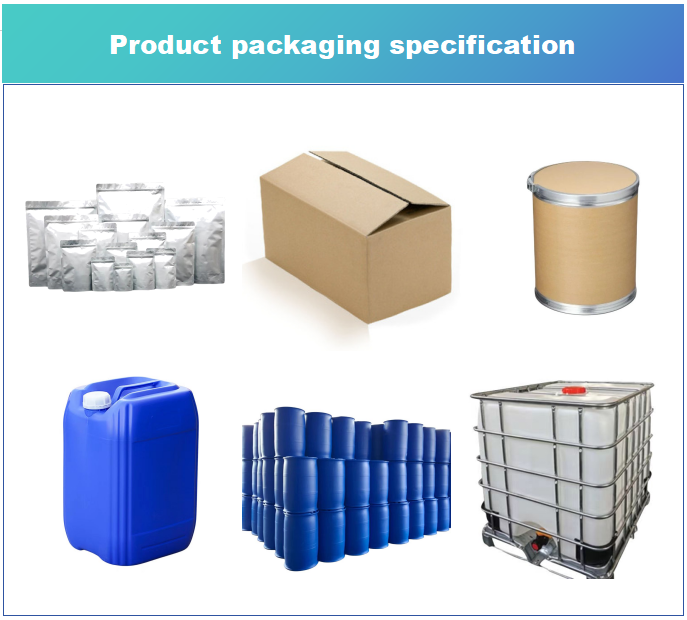
Packing and Storage
The product is in powder form and should be stored in a cool, ventilated place. Avoid inhalation when using it and keep away from open flames, heat sources, etc.
Company Profile
Luoyang Tongrun Nano Technology Co. Ltd. (TRUNNANO) is a trusted global chemical material supplier & manufacturer with over 12-year-experience in providing super high-quality chemicals and nanomaterials, including boride powder, nitride powder, graphite powder, sulfide powder, 3D printing powder, etc.
The company has a professional technical department and Quality Supervision Department, a well-equipped laboratory, and equipped with advanced testing equipment and after-sales customer service center.
If you are looking for high-quality Quartz Ceramic Crucible please feel free to contact us or click on the needed products to send an inquiry.

Payment Term
T/T, Western Union, Paypal, Credit Card etc.
Shipment Term
By air, by sea, by express, as customers request.
FAQs of Quartz Ceramic products
Question 1: What is a quartz ceramic crucible?
Answer: A quartz ceramic crucible is a specialty ceramic vessel made of high-purity silicon dioxide (SiO2). It is very heat resistant and chemically inert, which makes it particularly useful in high temperature and corrosive environments. Quartz ceramic crucibles are commonly used in melting metals, glassmaking, and chemical analysis.
Question 2: What is the maximum temperature a quartz ceramic crucible can withstand?
Answer: The maximum temperature that quartz ceramic crucibles can withstand can reach approximately 1600 degrees Celsius (2912 degrees Fahrenheit) or even higher, depending on their purity and conditions of use. However, in practice, crucibles are usually not exposed to extreme temperatures in order to prolong their life and ensure safety.
Question 3: What industries are quartz ceramic crucibles used in?
Answer: Quartz ceramic crucibles are widely used in a number of industries, including but not limited to: Metallurgical industry, for melting precious and non-ferrous metals; Glass manufacturing industry, as a container for melting glass raw materials; Chemical experimentation, as a vessel for chemical reaction or sample heating; Semiconductor industry, for processes such as single crystal silicon growth; Scientific research, for material testing and analysis.
Question 4: What are the advantages of quartz ceramic crucible compared with common ceramic crucible?
Answer: Compared with ordinary ceramic crucibles, quartz ceramic crucibles have the following significant advantages: Higher heat resistance (can withstand higher working temperatur); Better chemical stability (it has better resistance to acid and alkali solutions and is not easy to be eroded); Lower coefficient of thermal expansion (this means they are less likely to break during temperature changes); Transparency (some types of quartz crucibles are translucent, making it easy to observe the internal reaction process).
Question 5: How do I properly care for and maintain quartz ceramic crucibles?
Answer: Proper care and maintenance of quartz ceramic crucibles includes:
Avoiding sudden temperature changes: prevent damage caused by thermal shock.
Cleaning treatment: Clean the crucible immediately after use to avoid residue hardening and adhering to the crucible surface.
Storage environment: Store in a dry, dust-free place, away from chemicals to prevent corrosion.
Inspect for wear: Inspect regularly for cracks or other physical damage and replace damaged crucibles promptly.
Follow manufacturer's guidelines: Use the crucible in strict accordance with the operating guidelines and recommendations provided by the manufacturer.